Discover. Experience. Enjoy.

Cornwall

Plan Your Trip

Where to next?

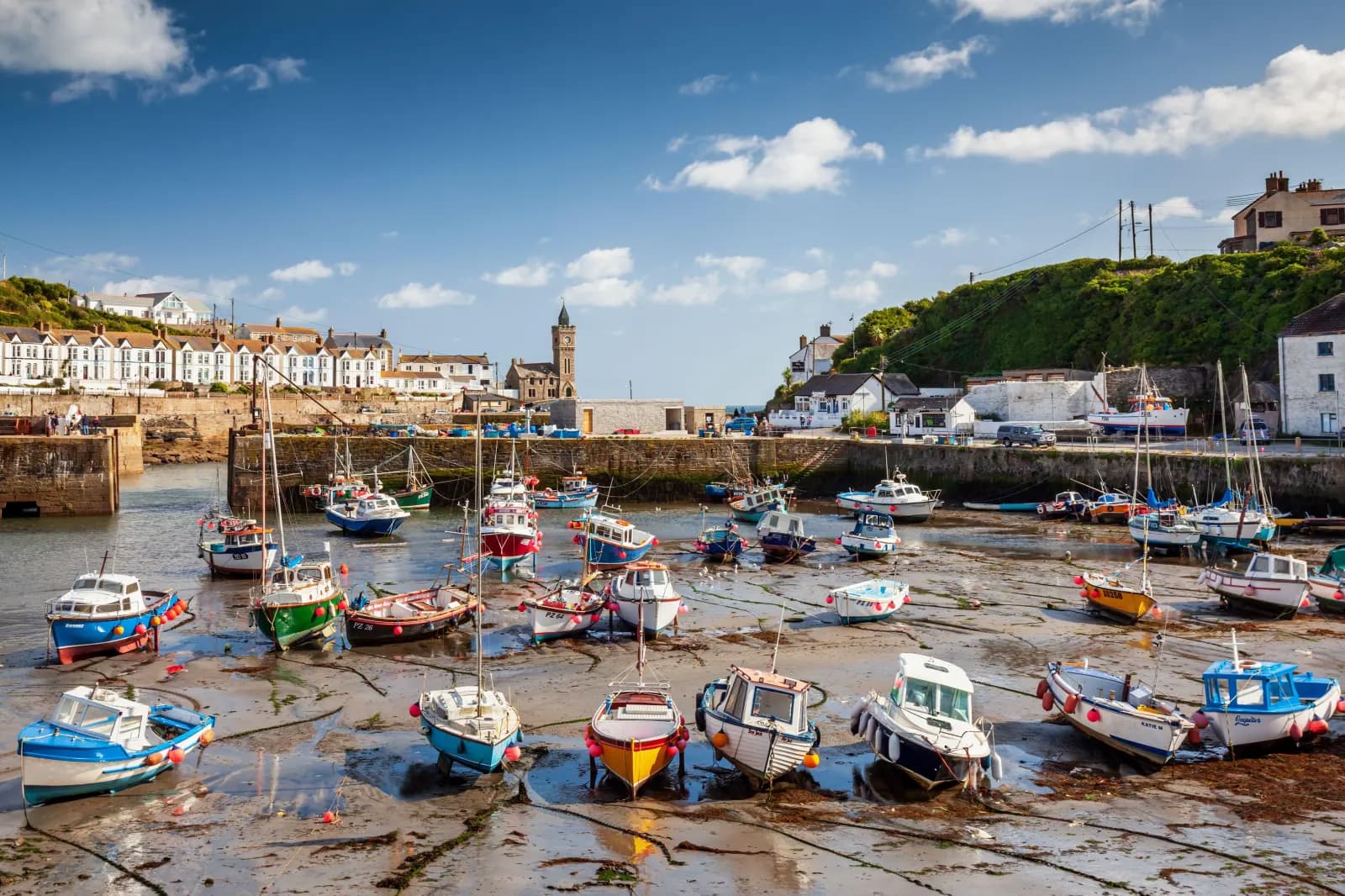
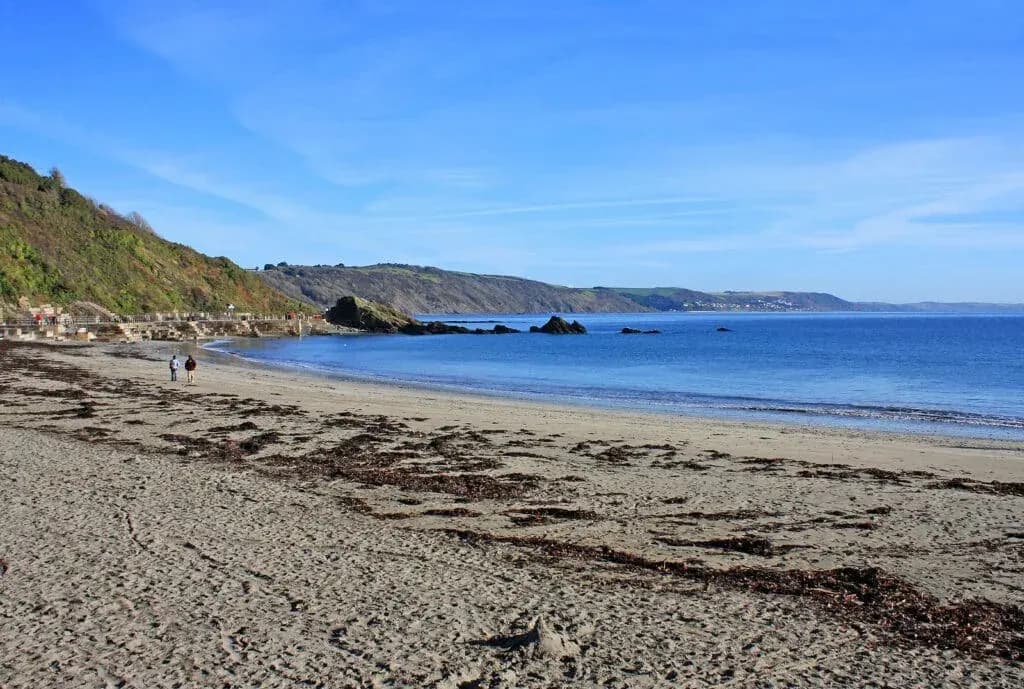
West Looe, Cornwall
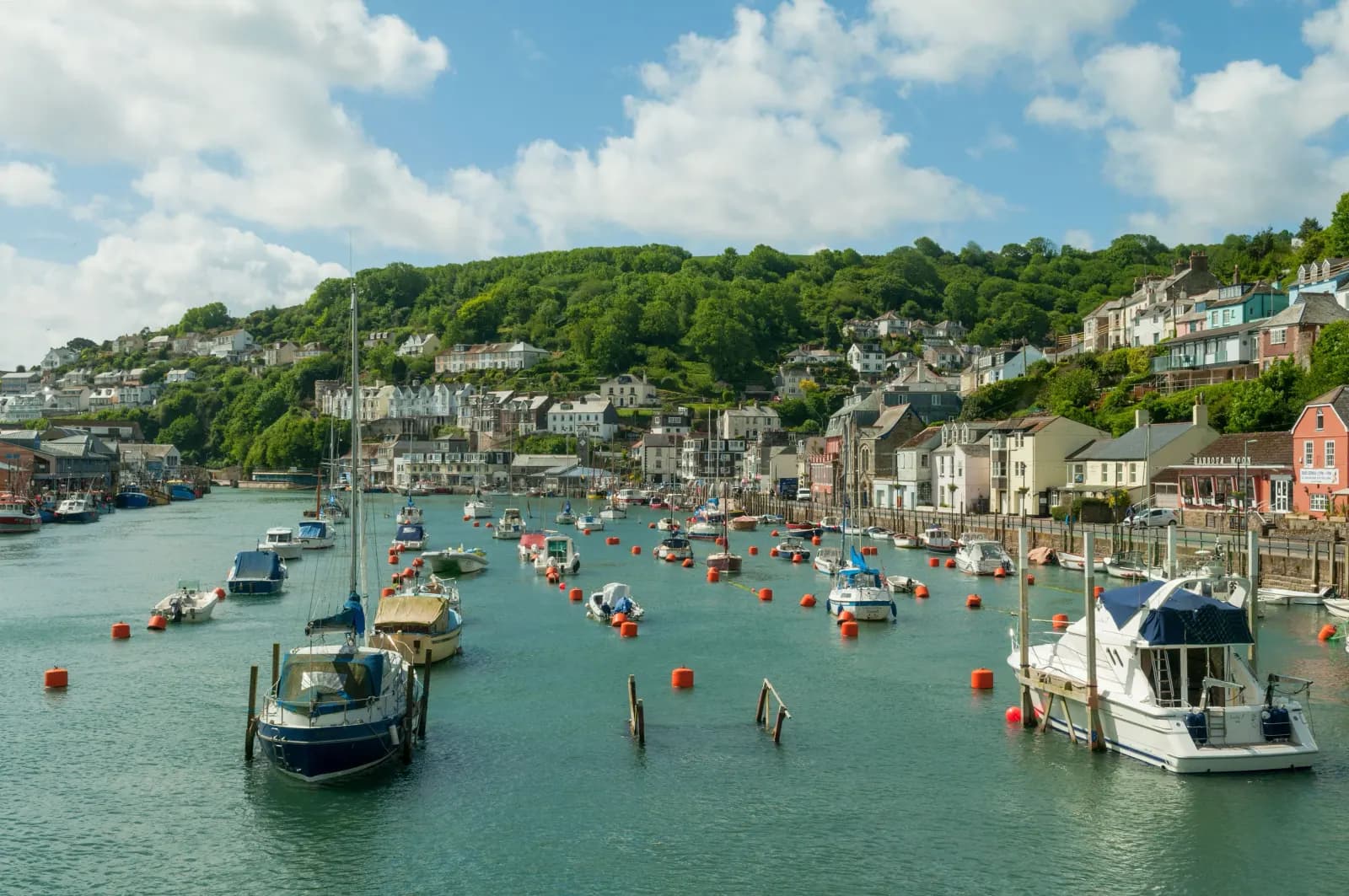
Looe
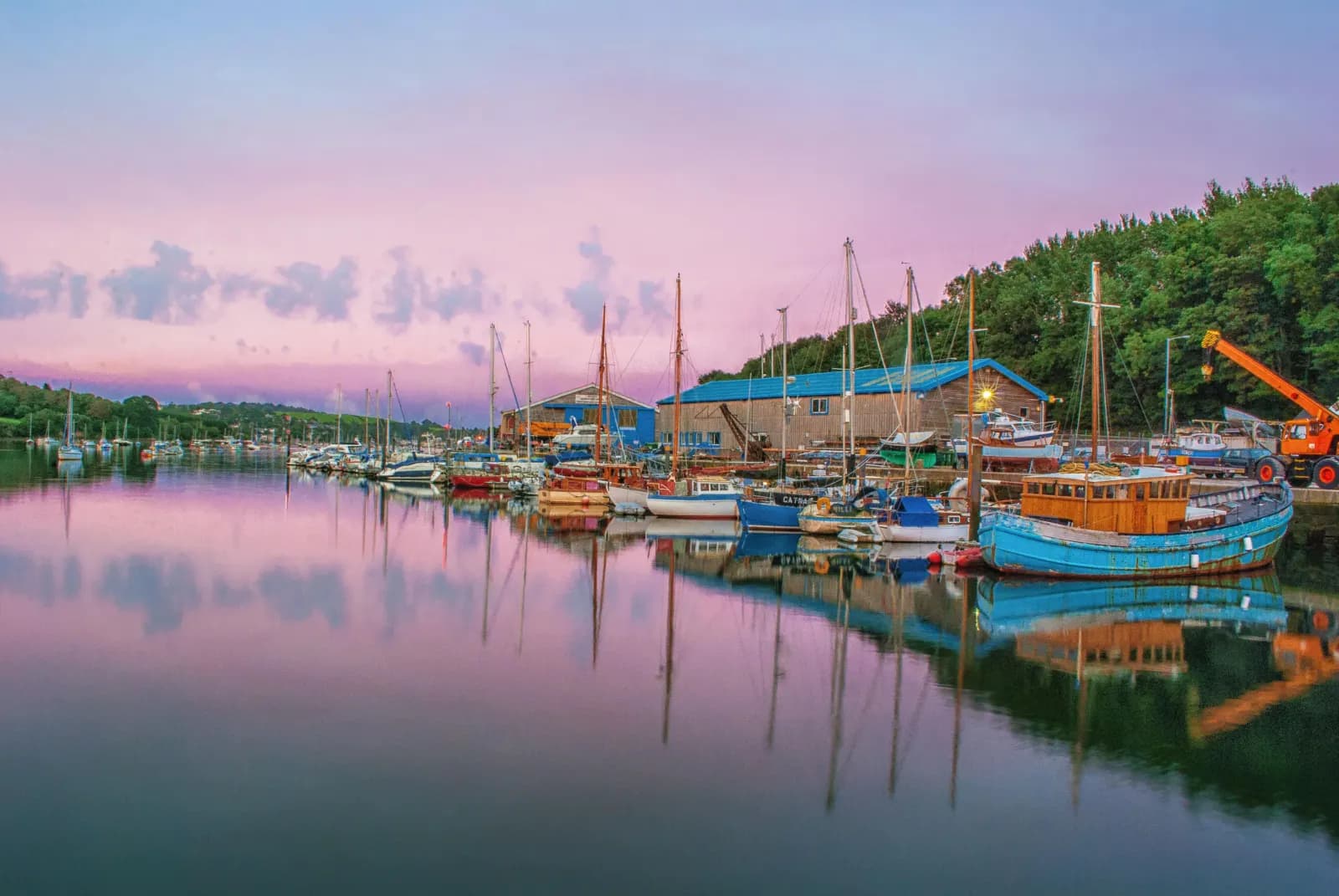
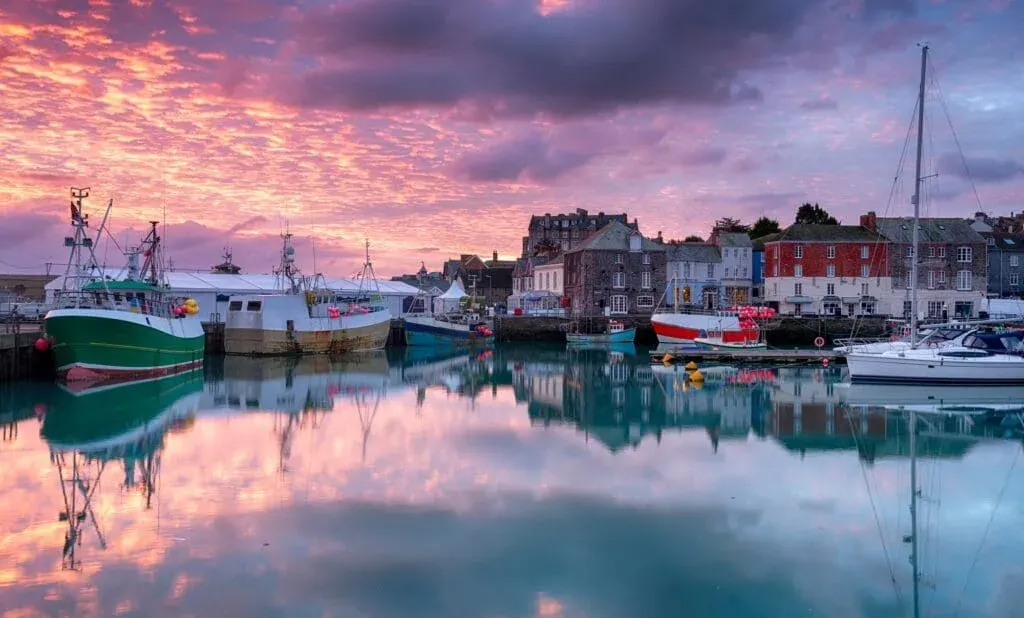
Molesworth Street, Wadebridge, Cornwall
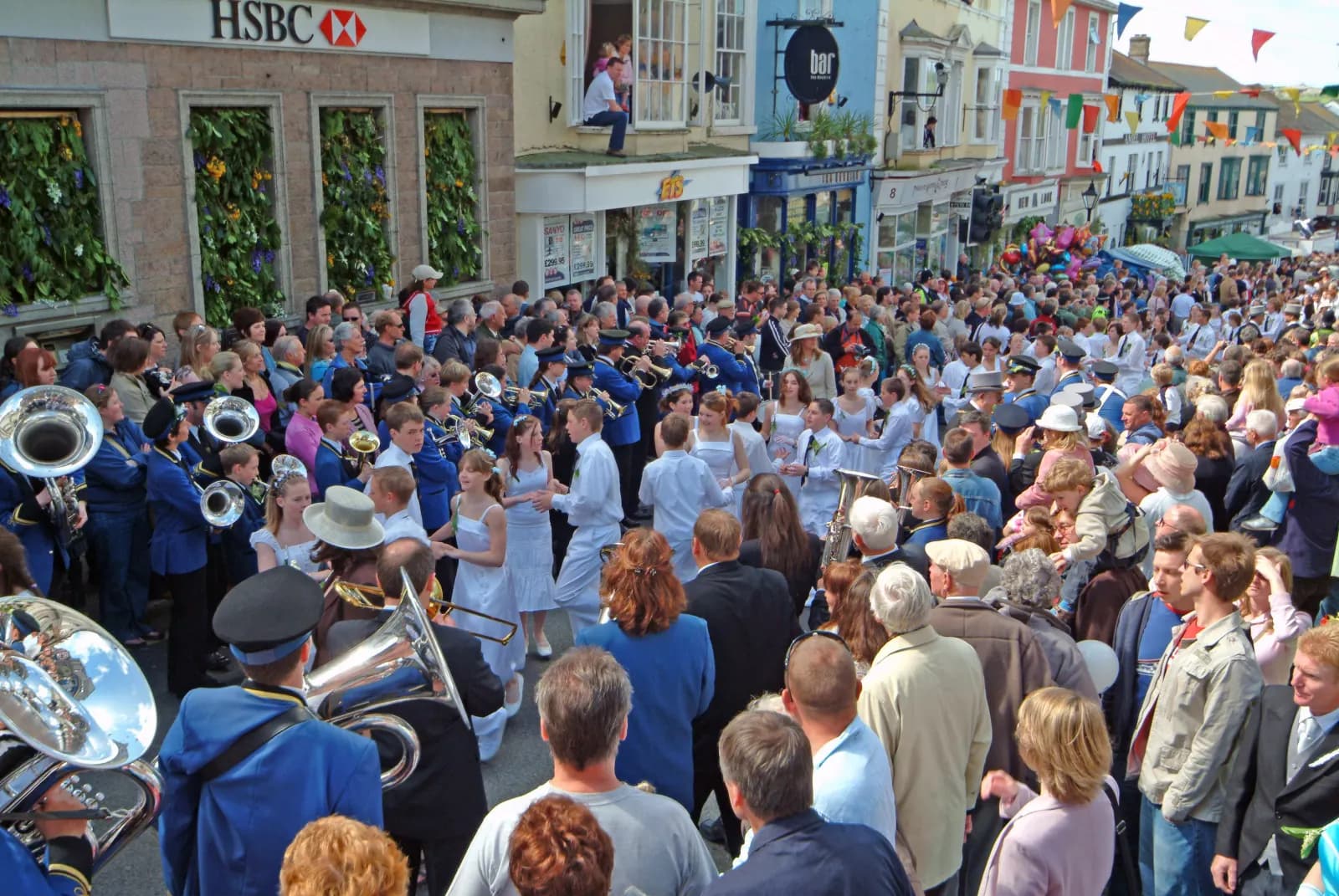
Wadebridge
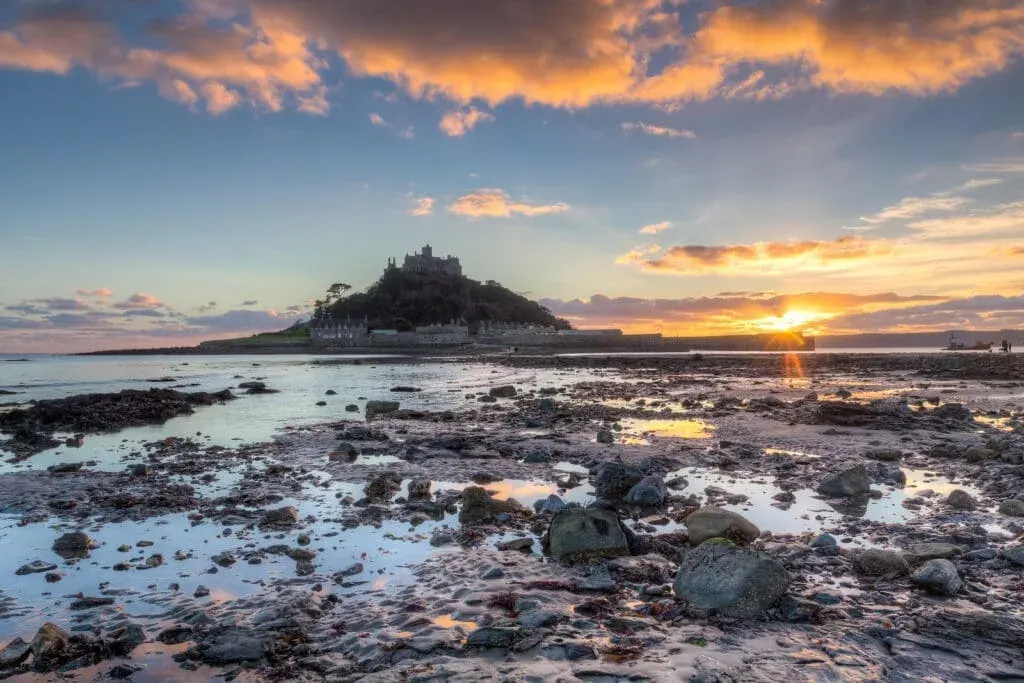
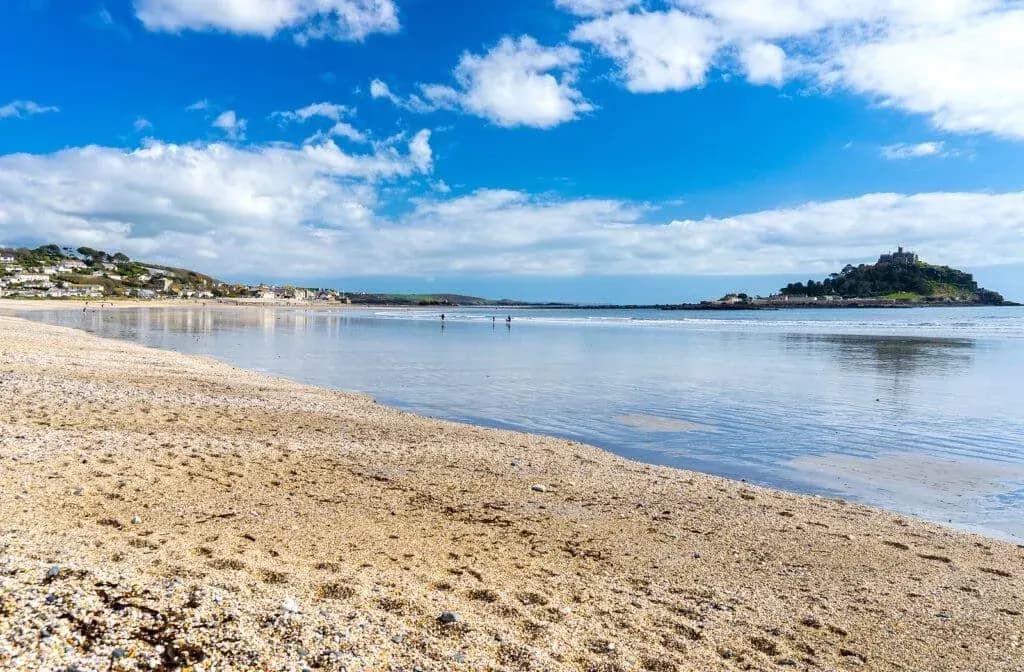
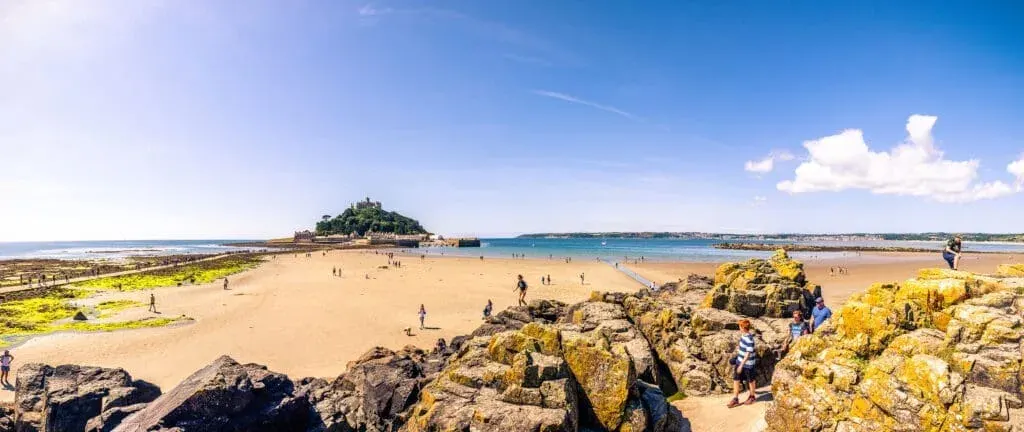
St Michael's Mount, Marazion, Cornwall
Marazion
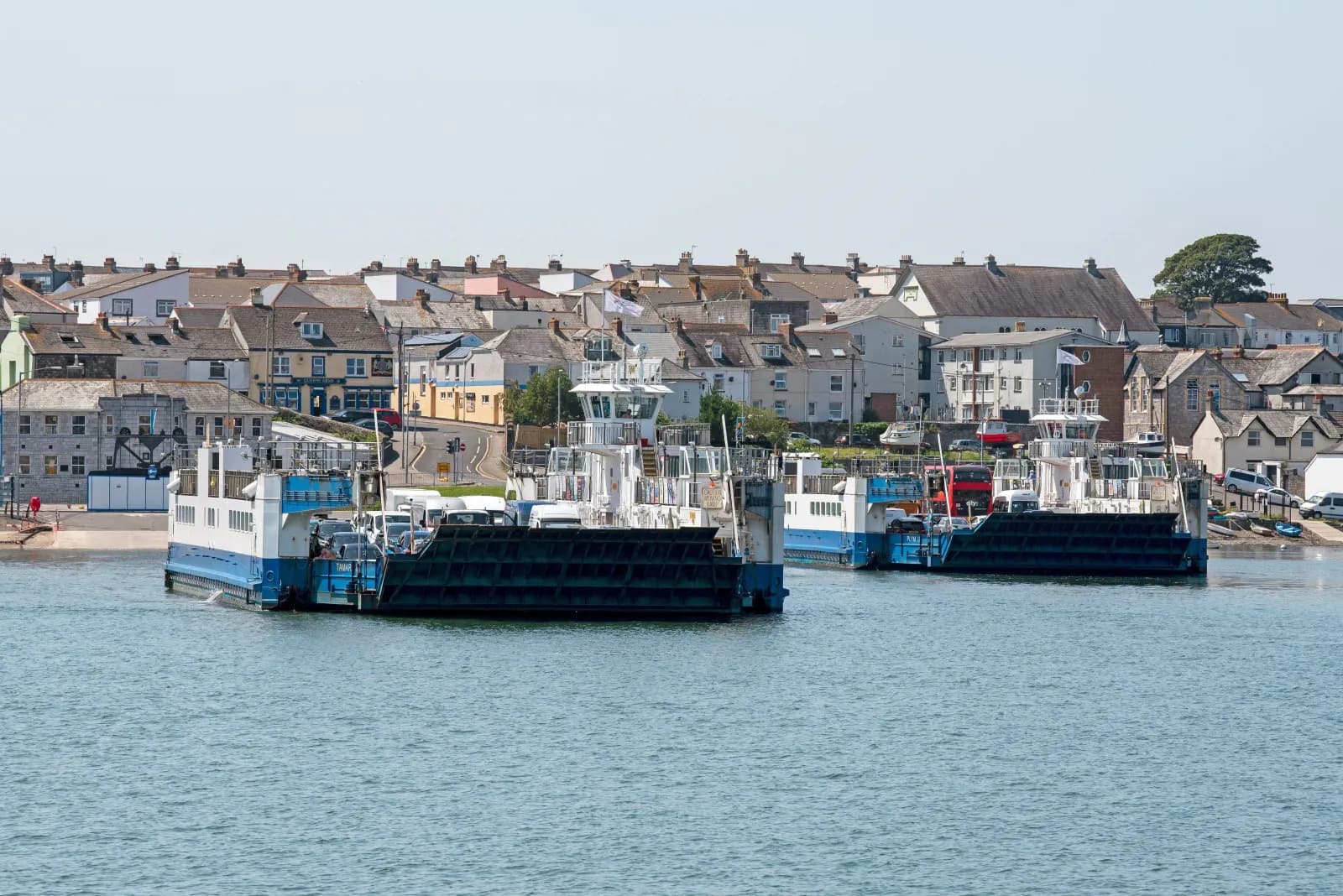
A Ro-Ro ferry departing from Torpoint, Cornwall, bound for Plymouth, Devon.
Torpoint
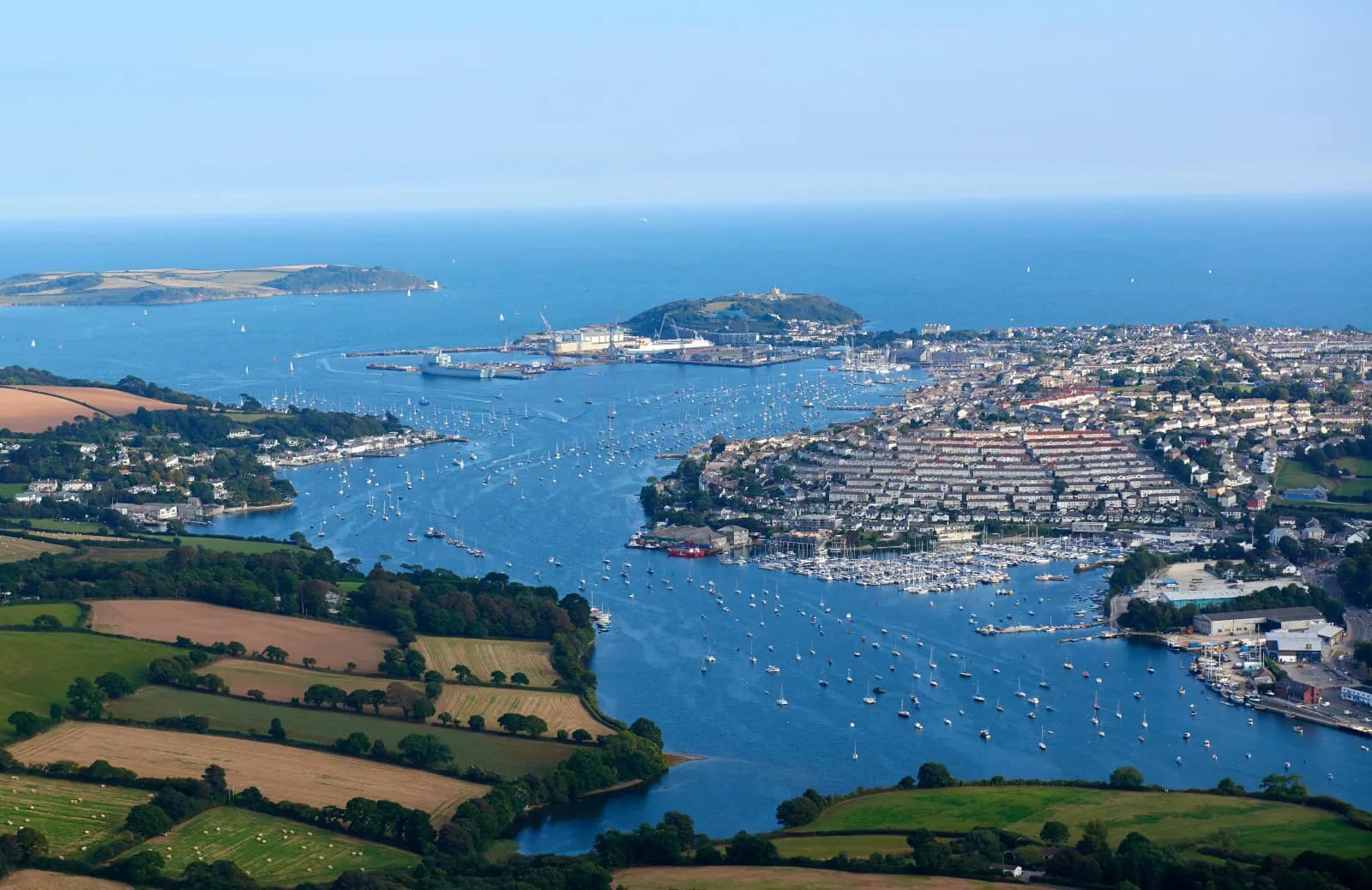
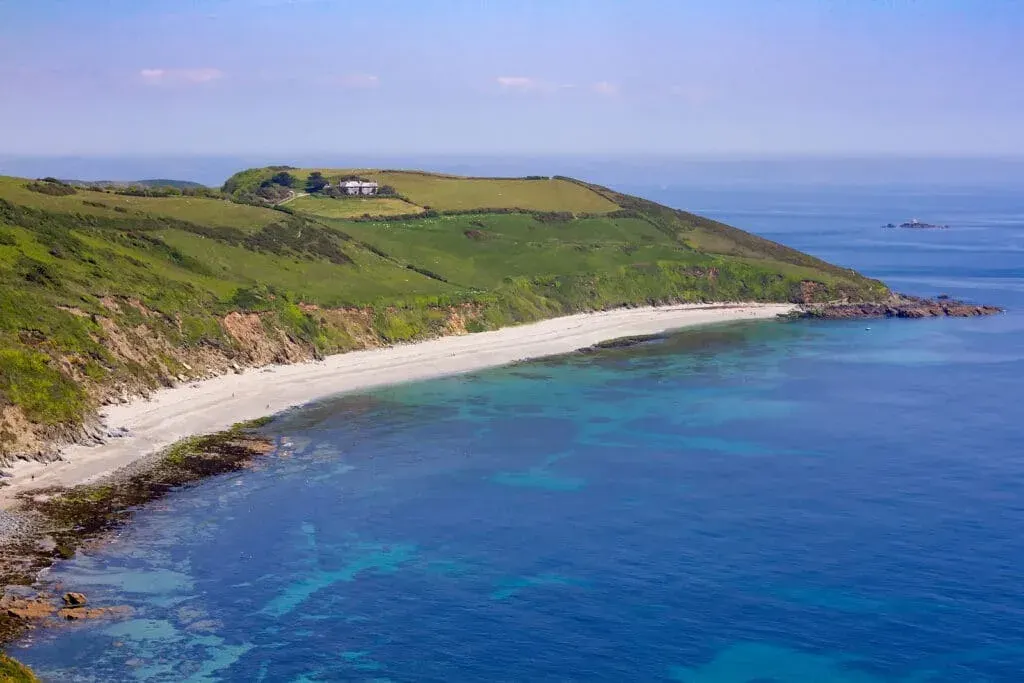
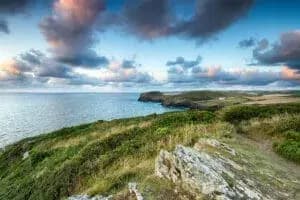
Cornwall Coastline

Discover your next Cornish destination with a dream itinerary!
Cornwall.co.uk connects you with local authors, writers and Cornwall enthusiasts to bring you the most authentic and reliable information.

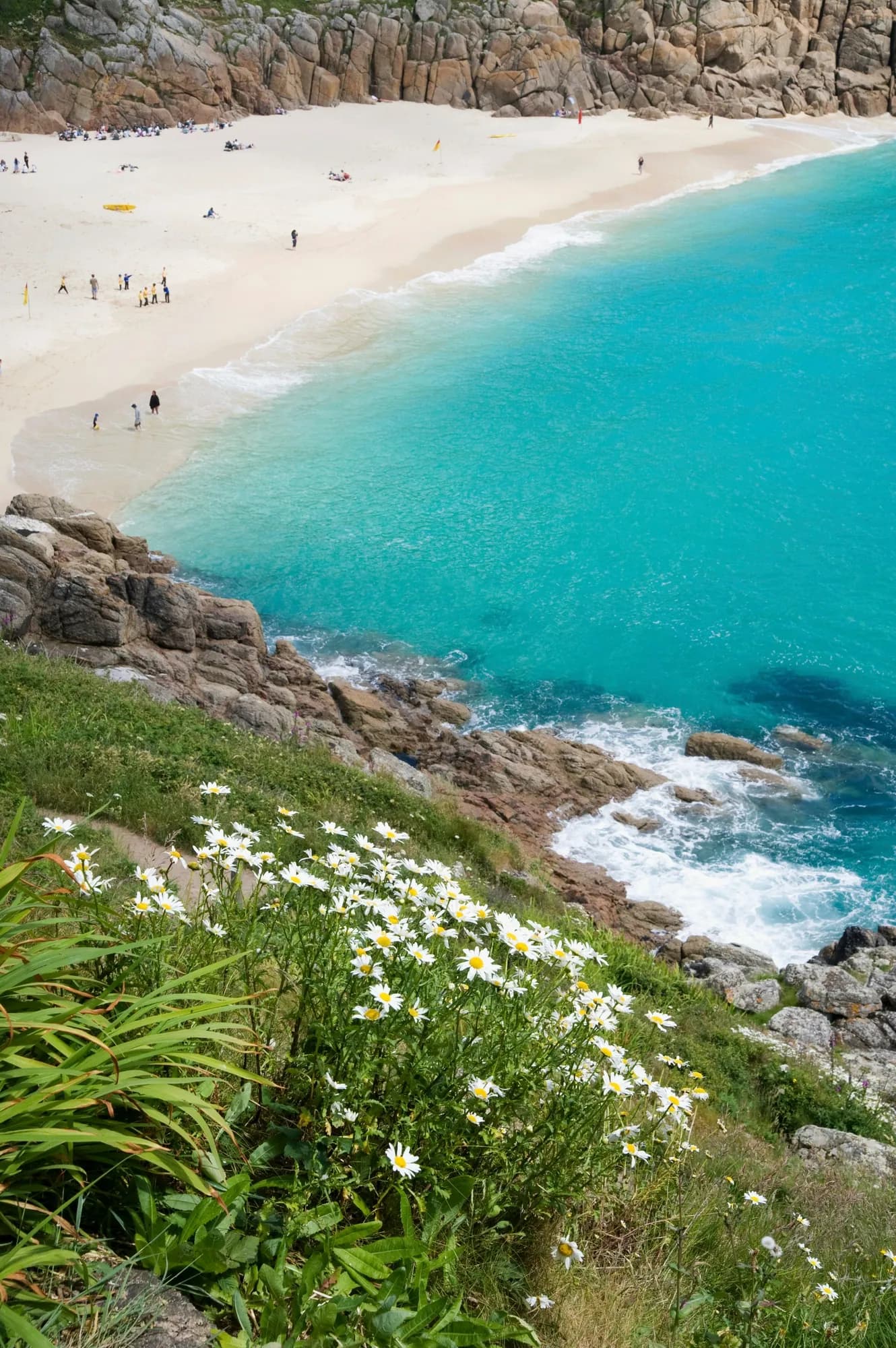
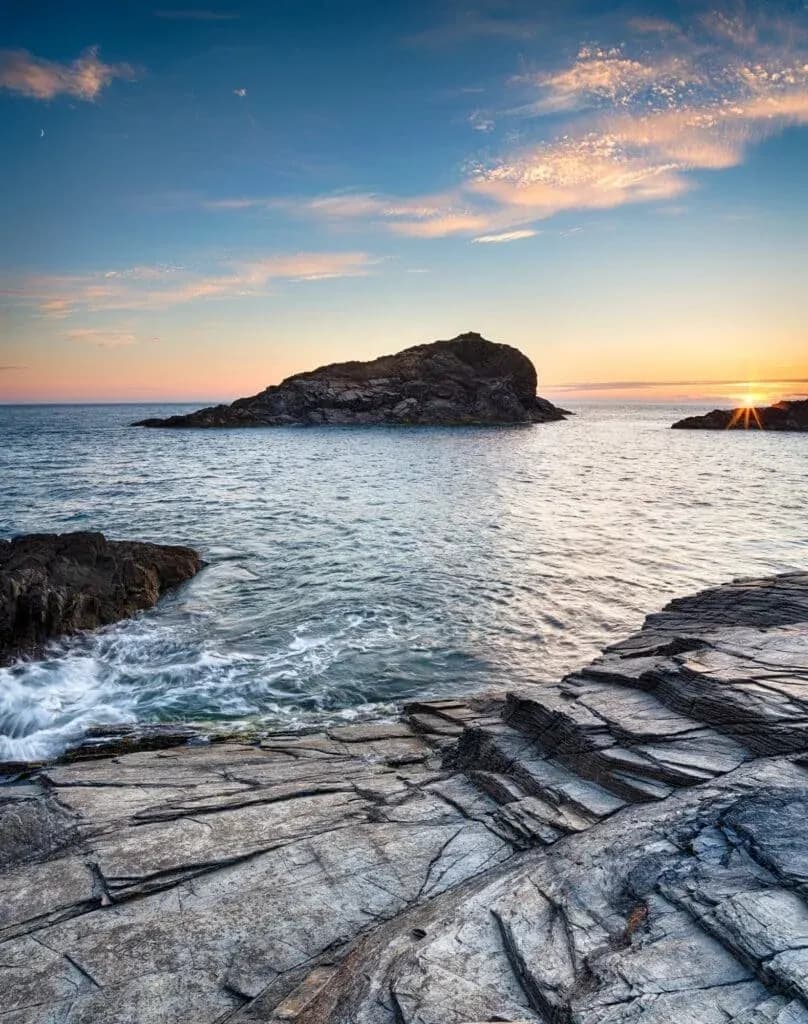
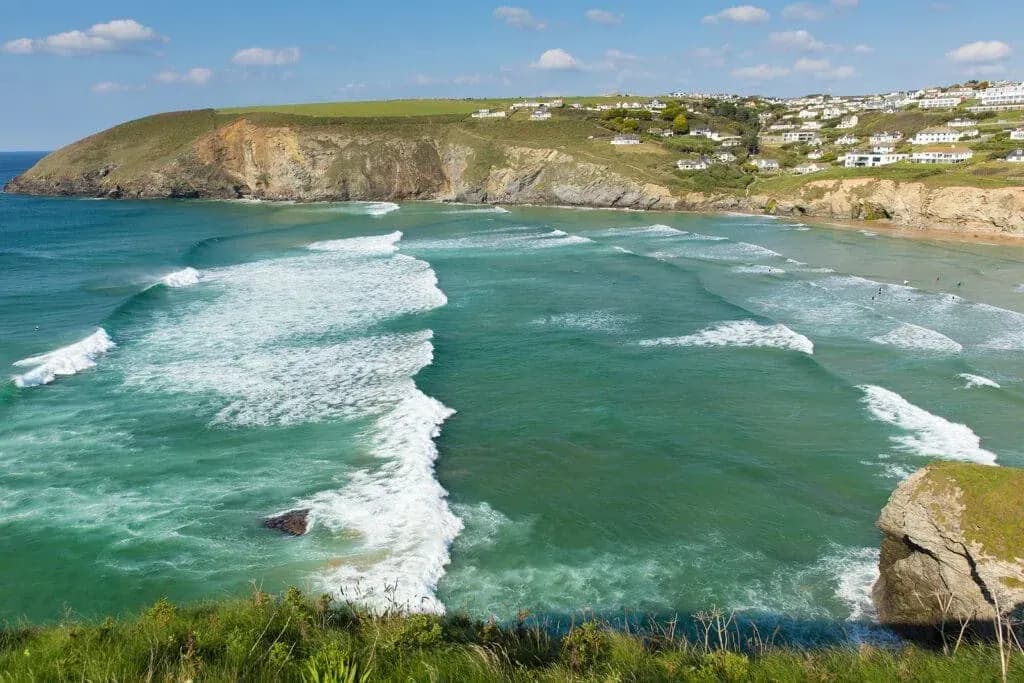
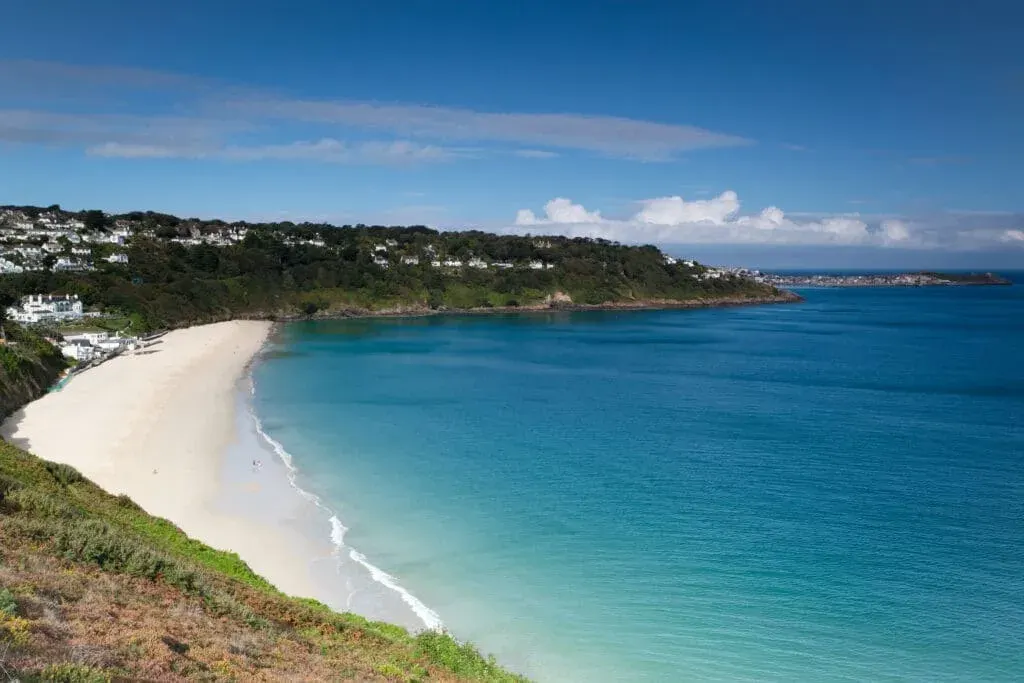
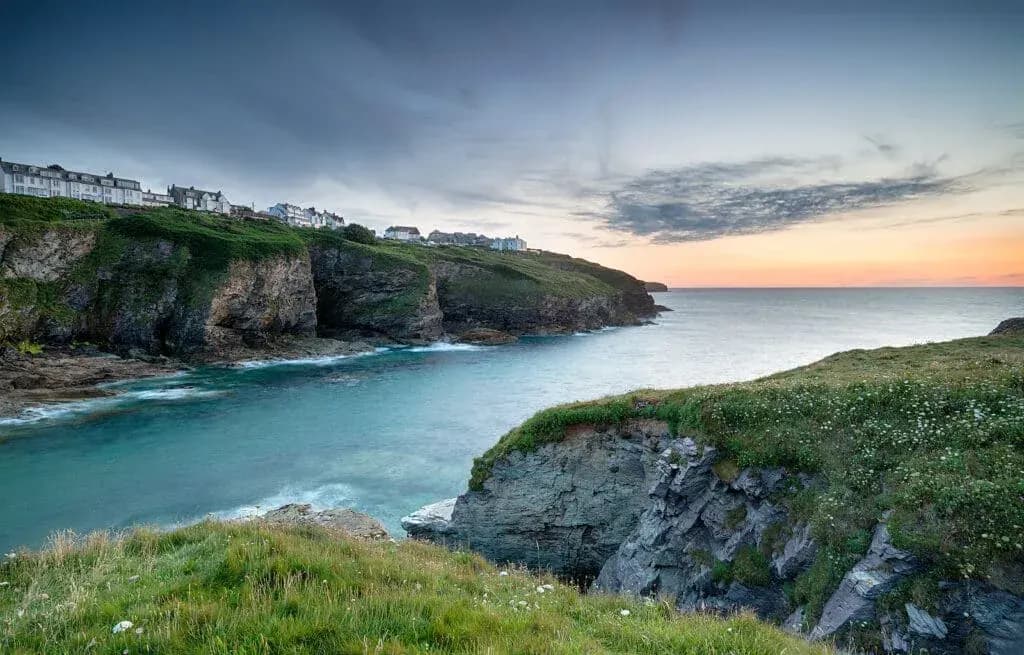
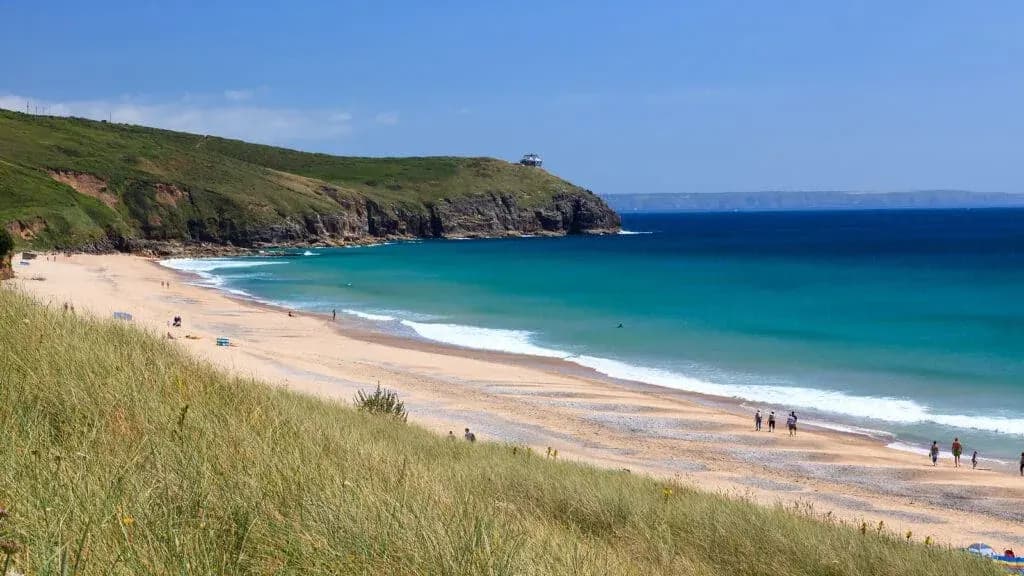
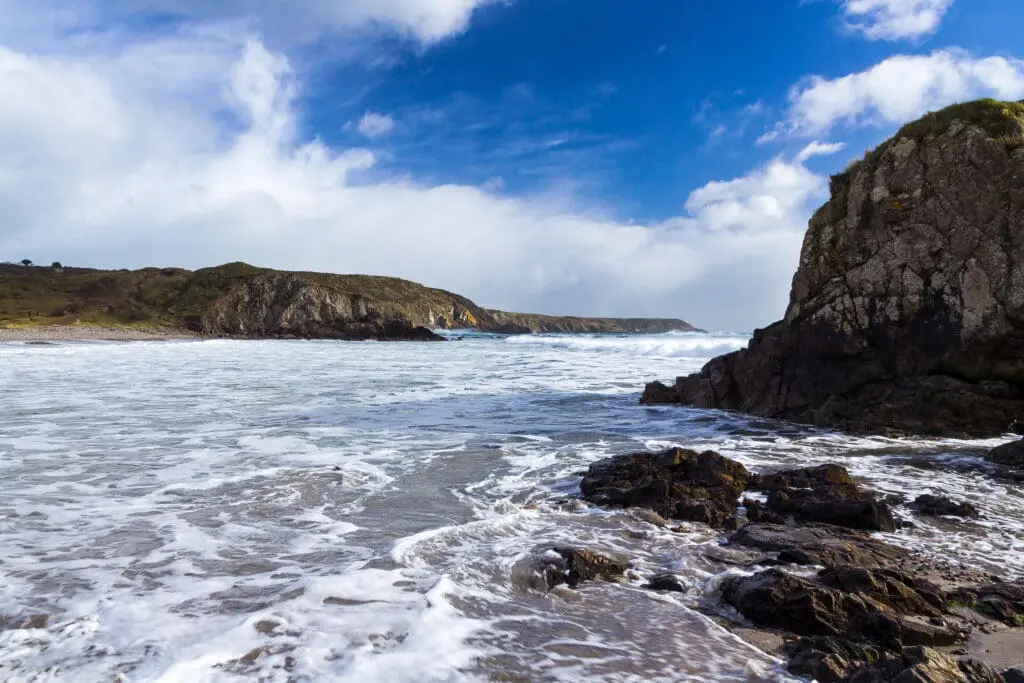
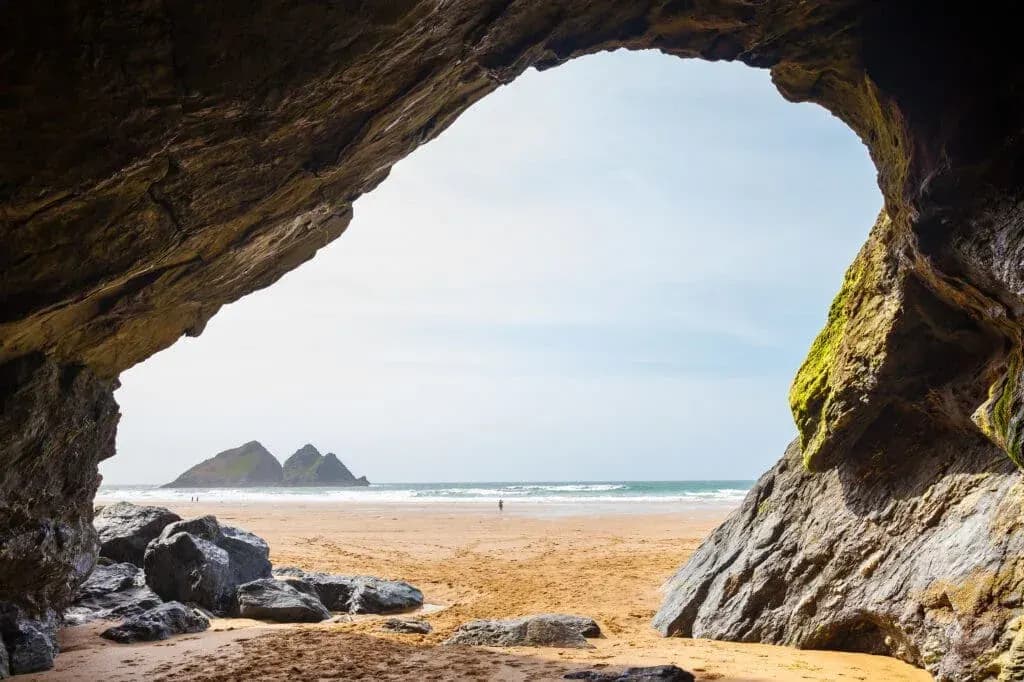
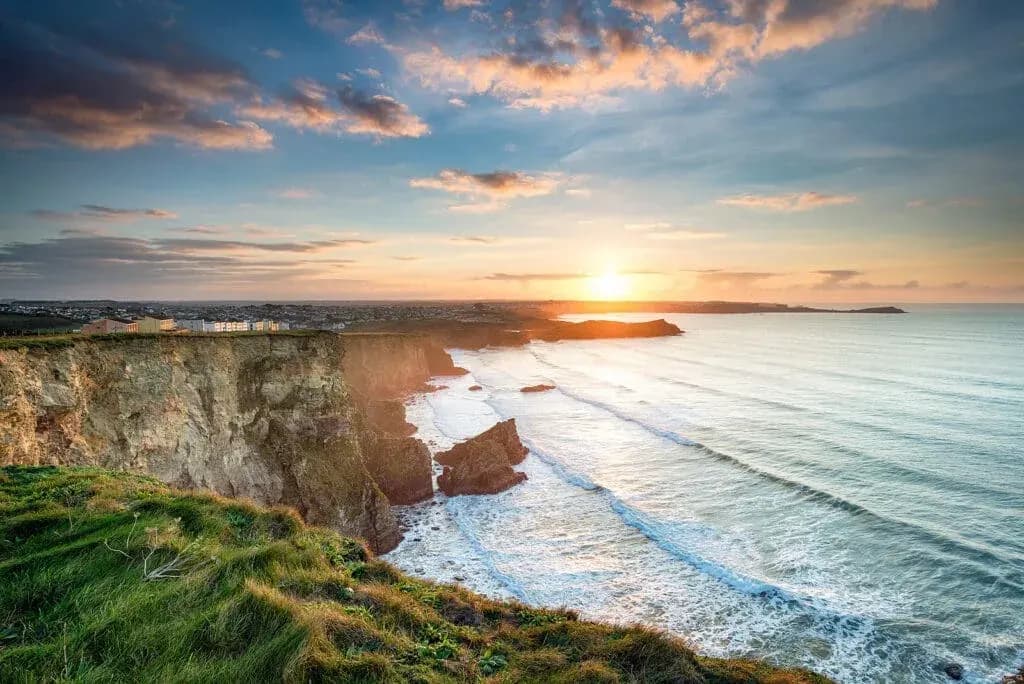
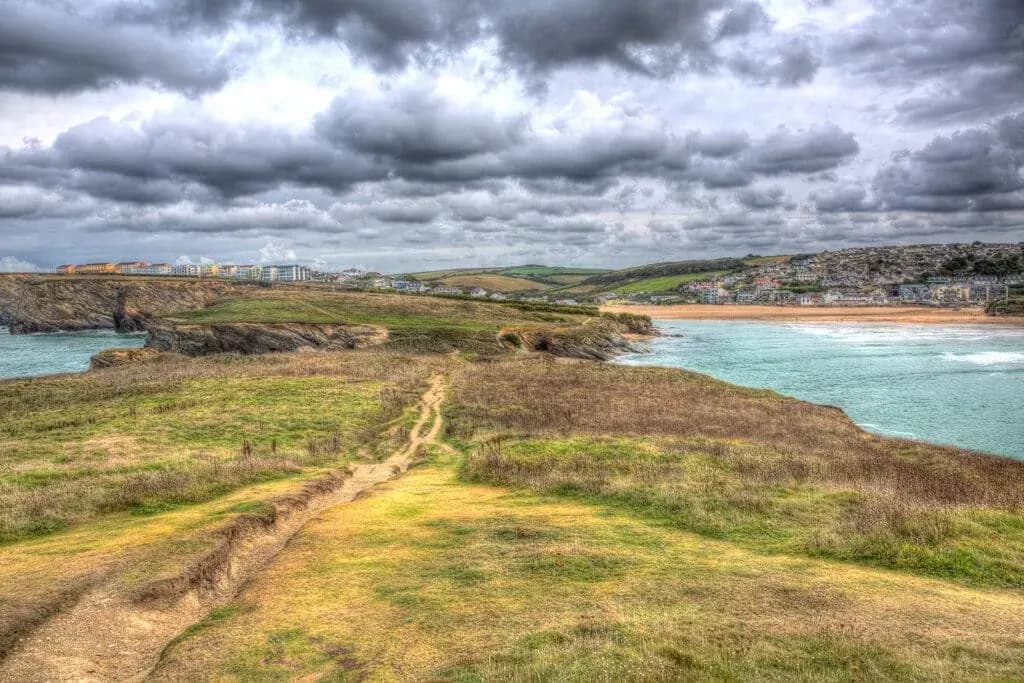
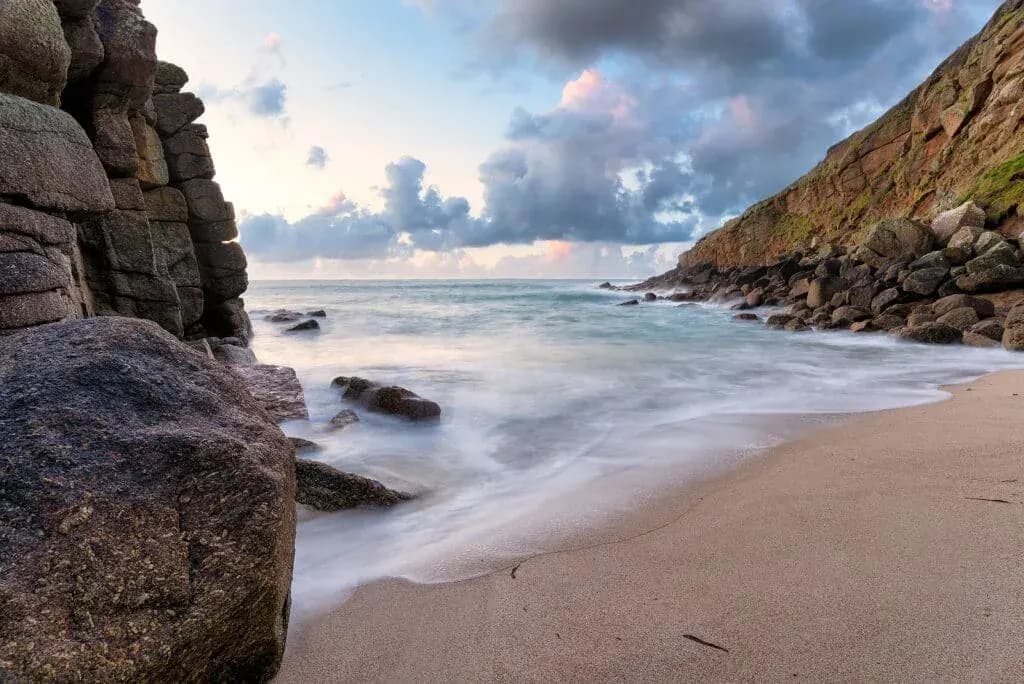
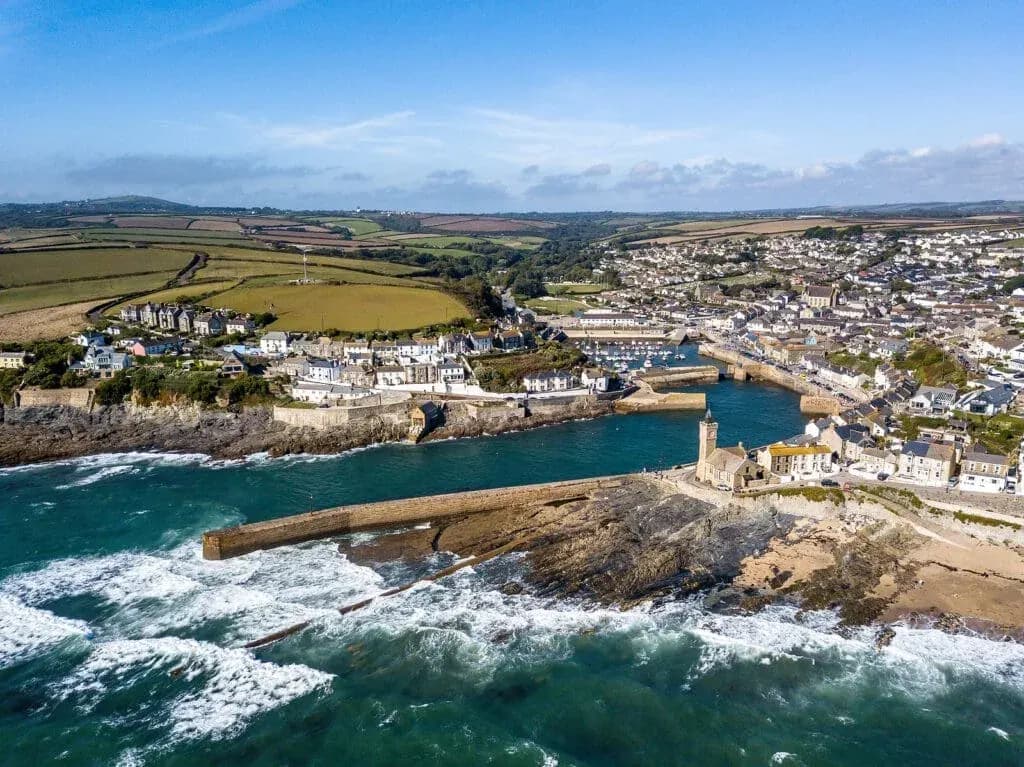
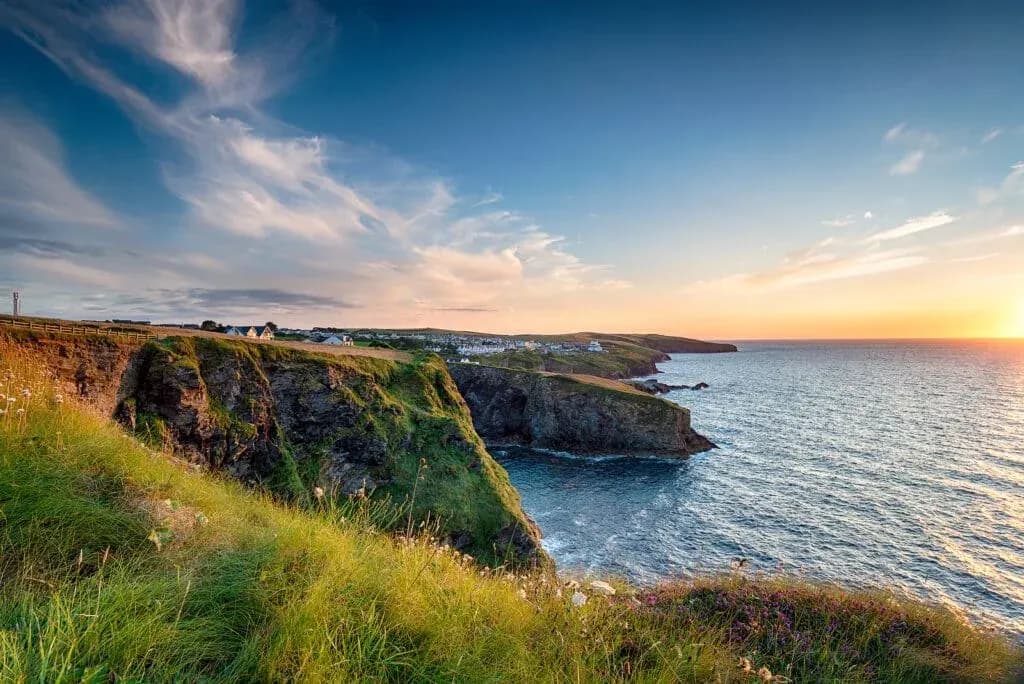
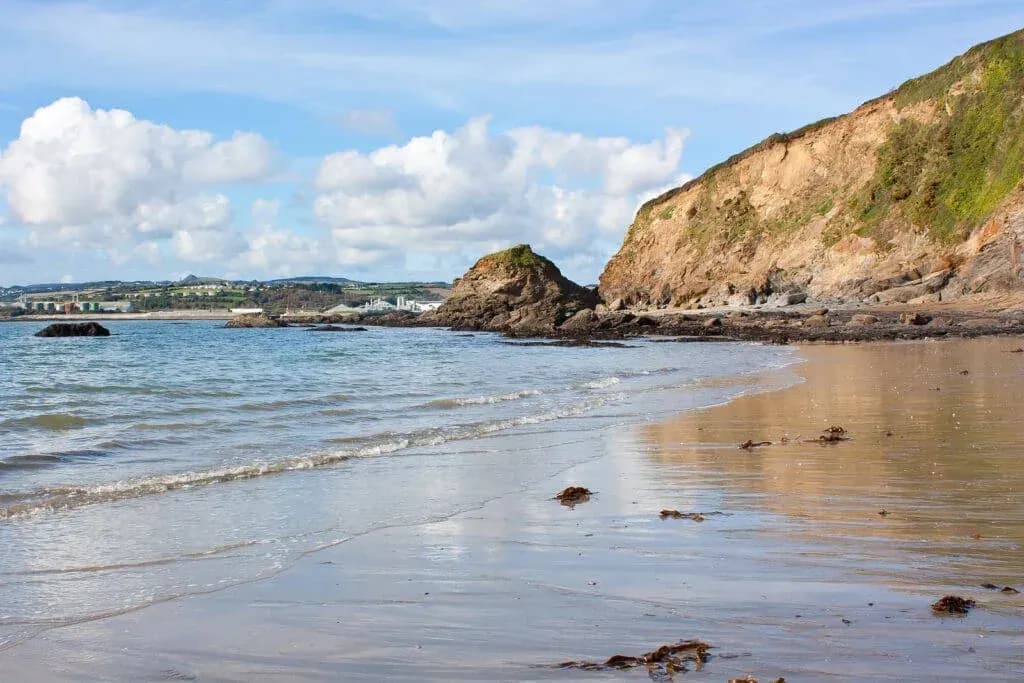
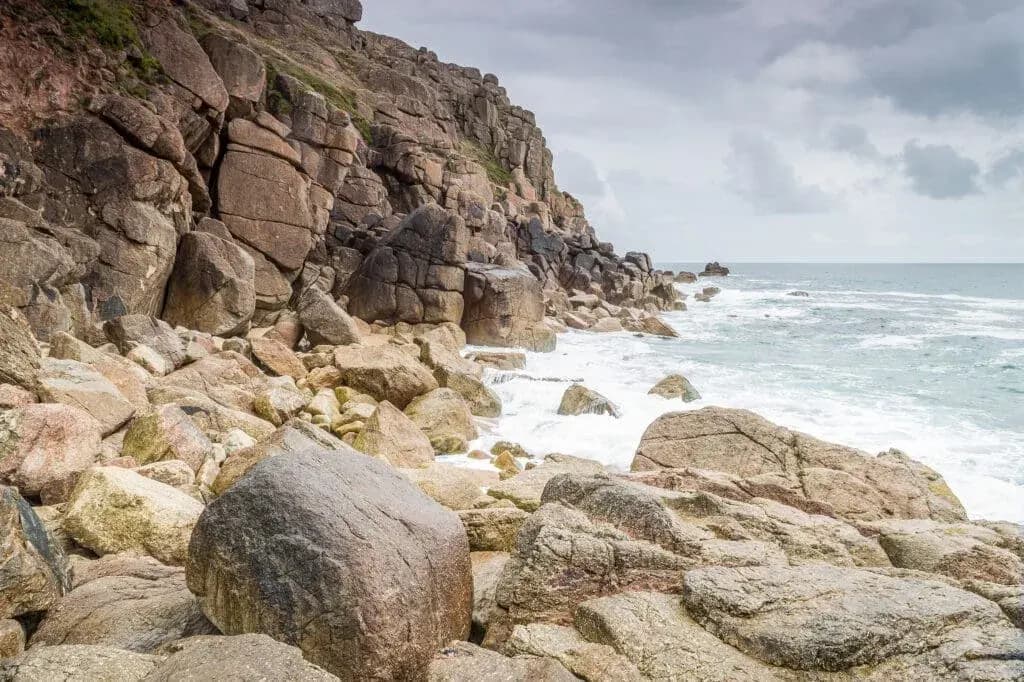
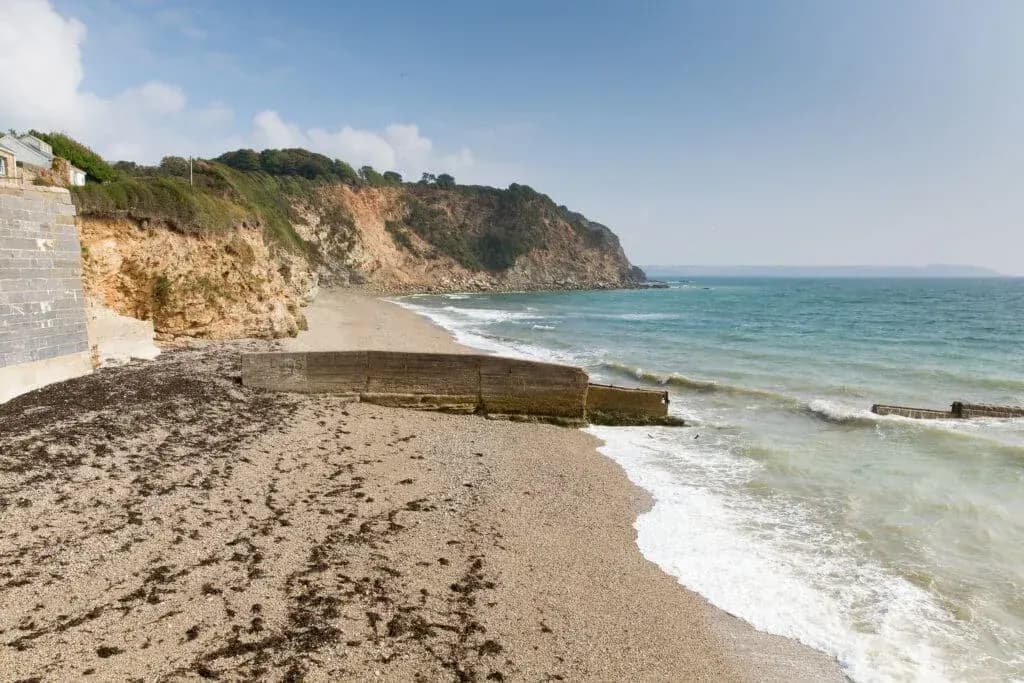
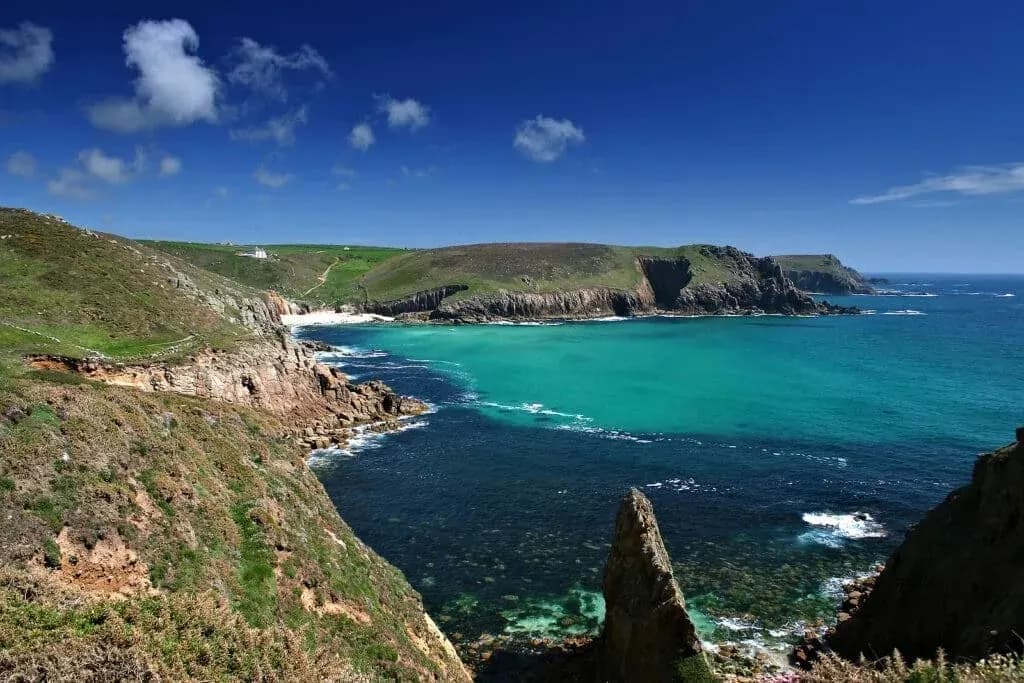
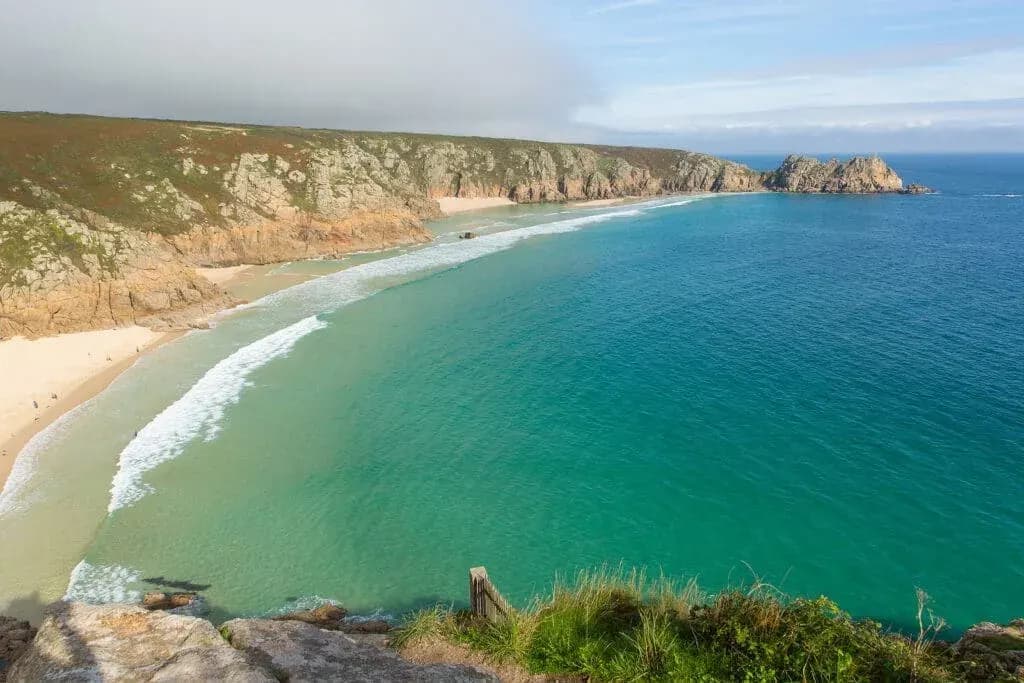
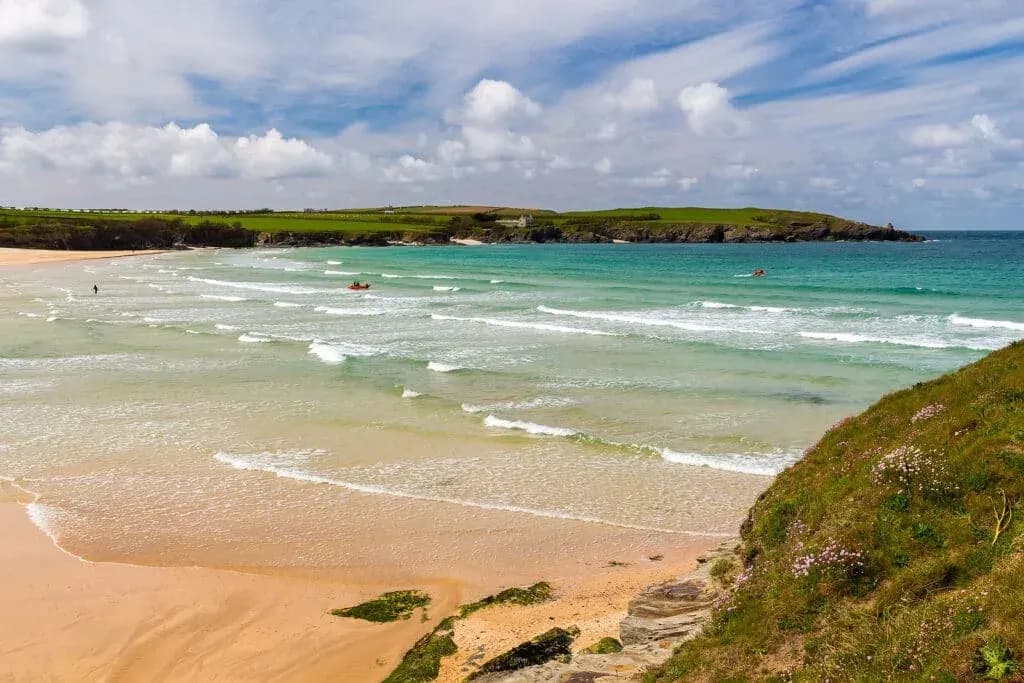
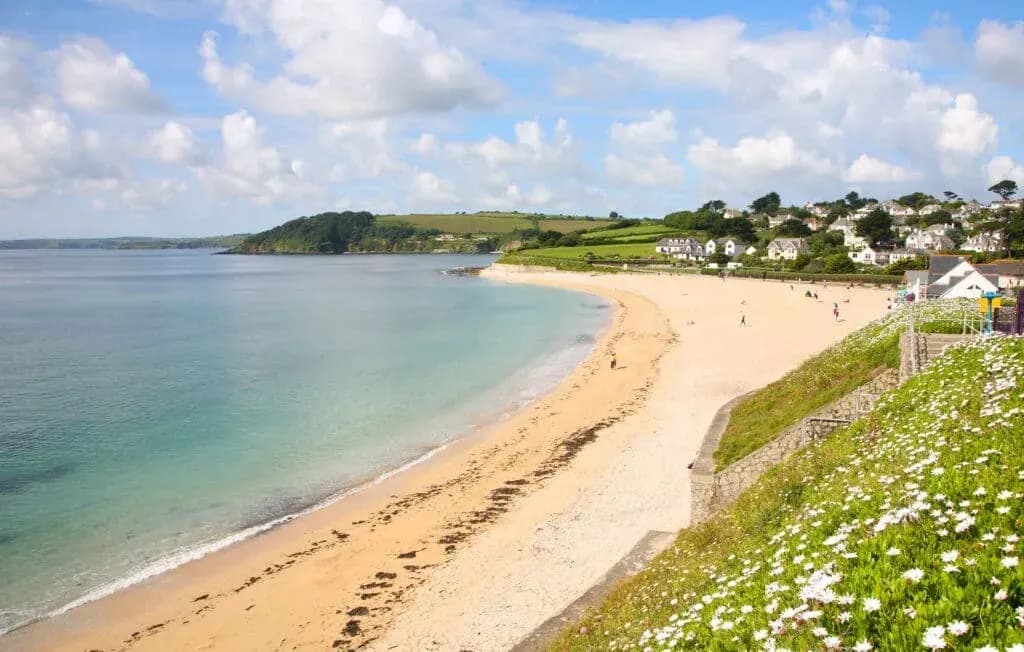
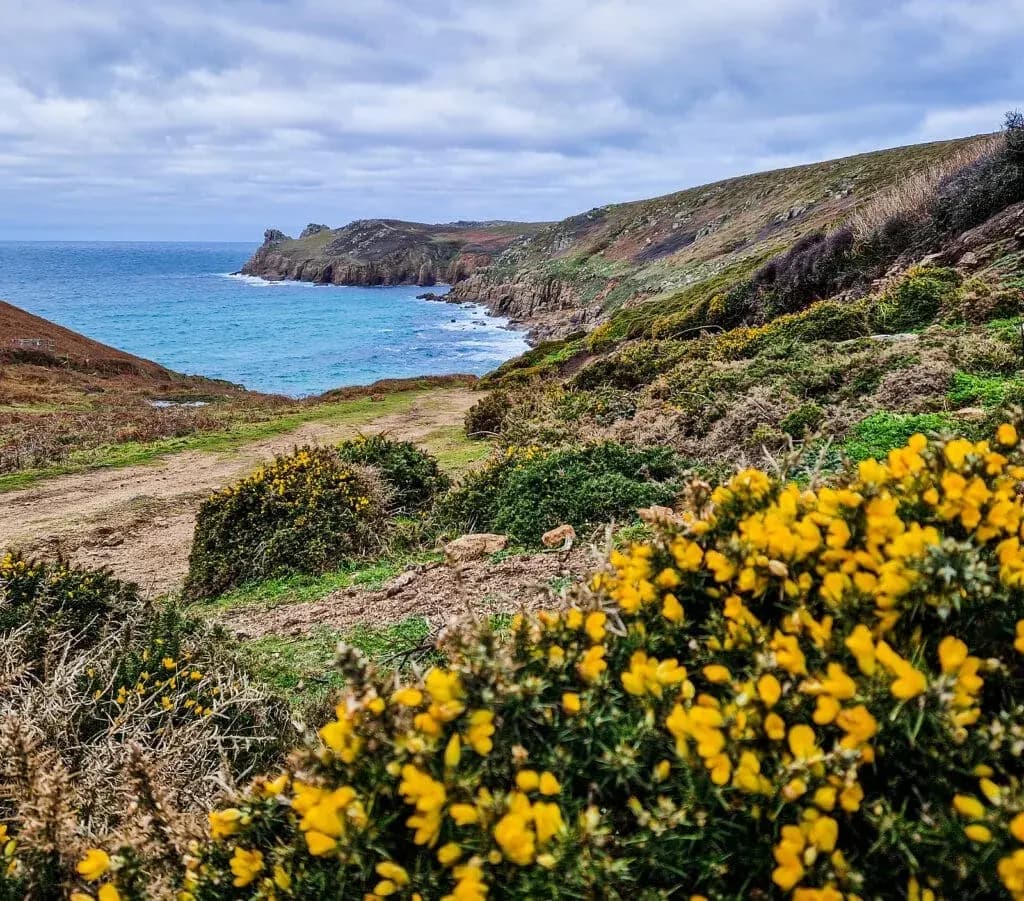
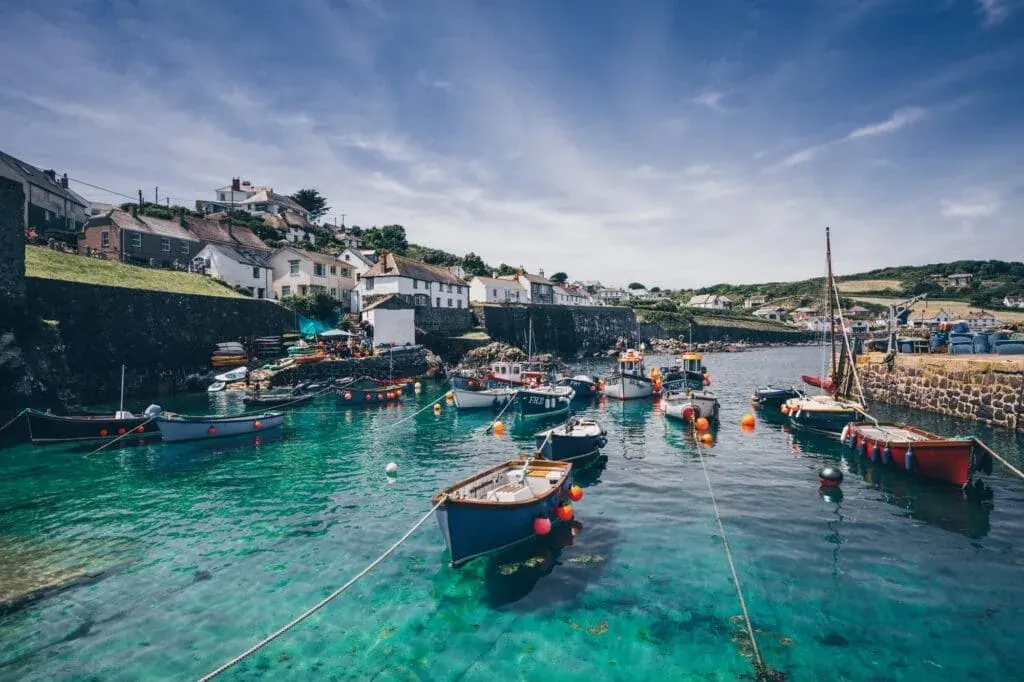
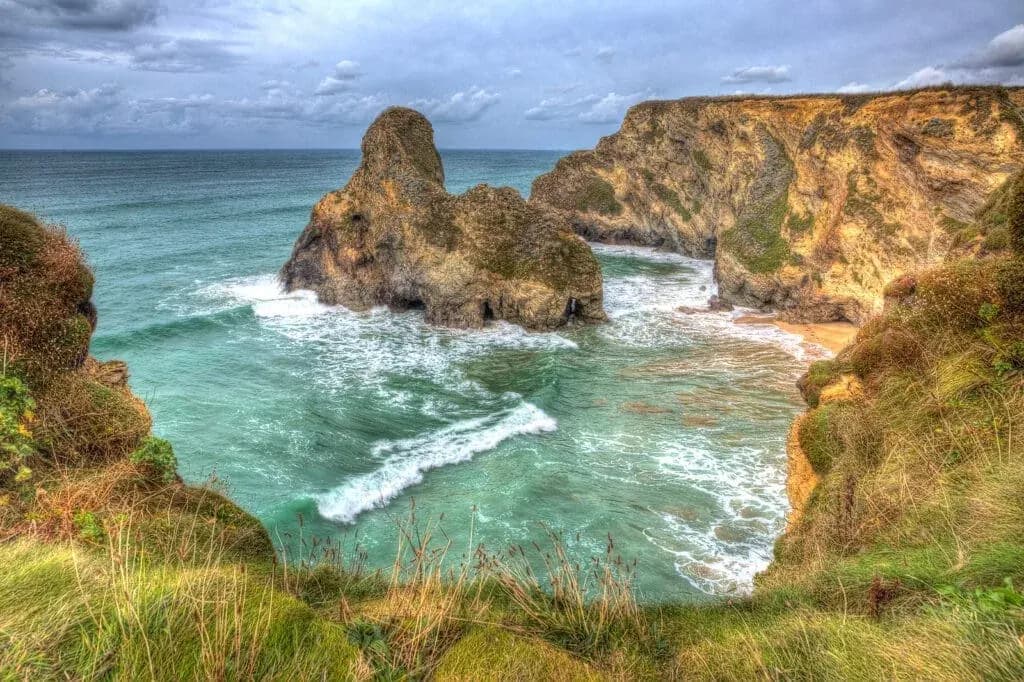
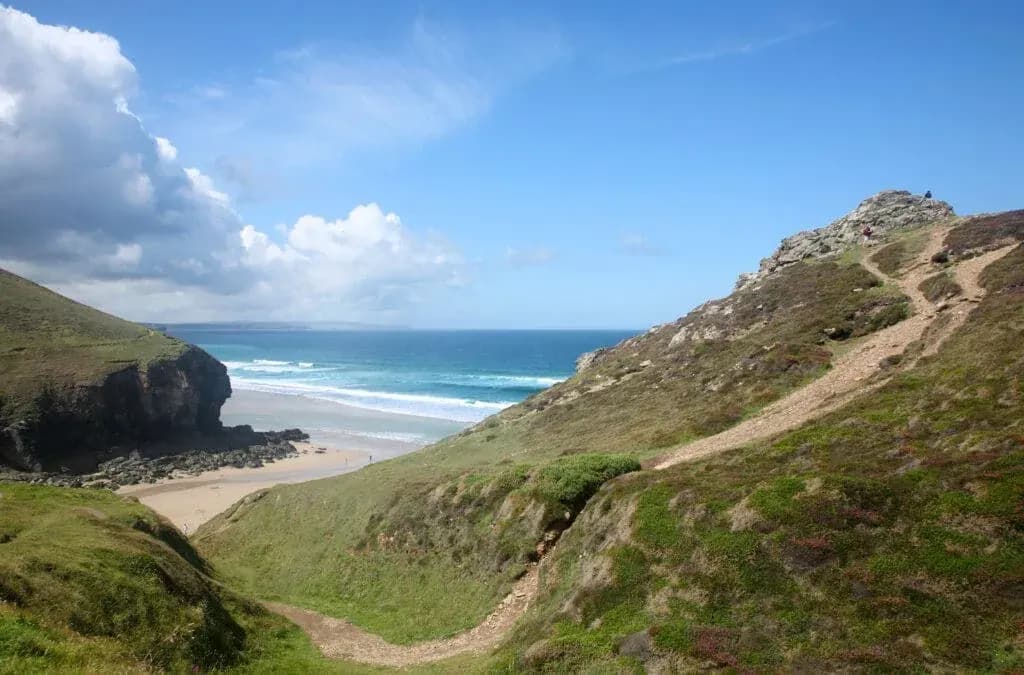
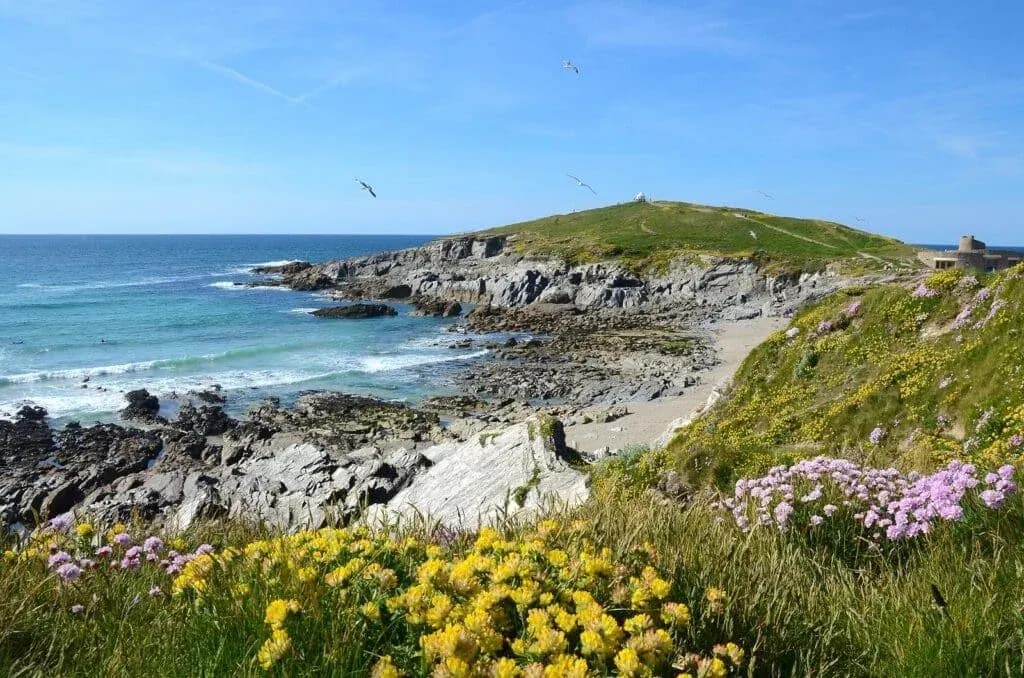
Cornwall is simply unique. Picturesque villages, its rugged 300-mile coastline, and seas that sparkle like a thousand diamonds, it’s a superior getaway destination for those craving fresh sea air and views that need no filter!

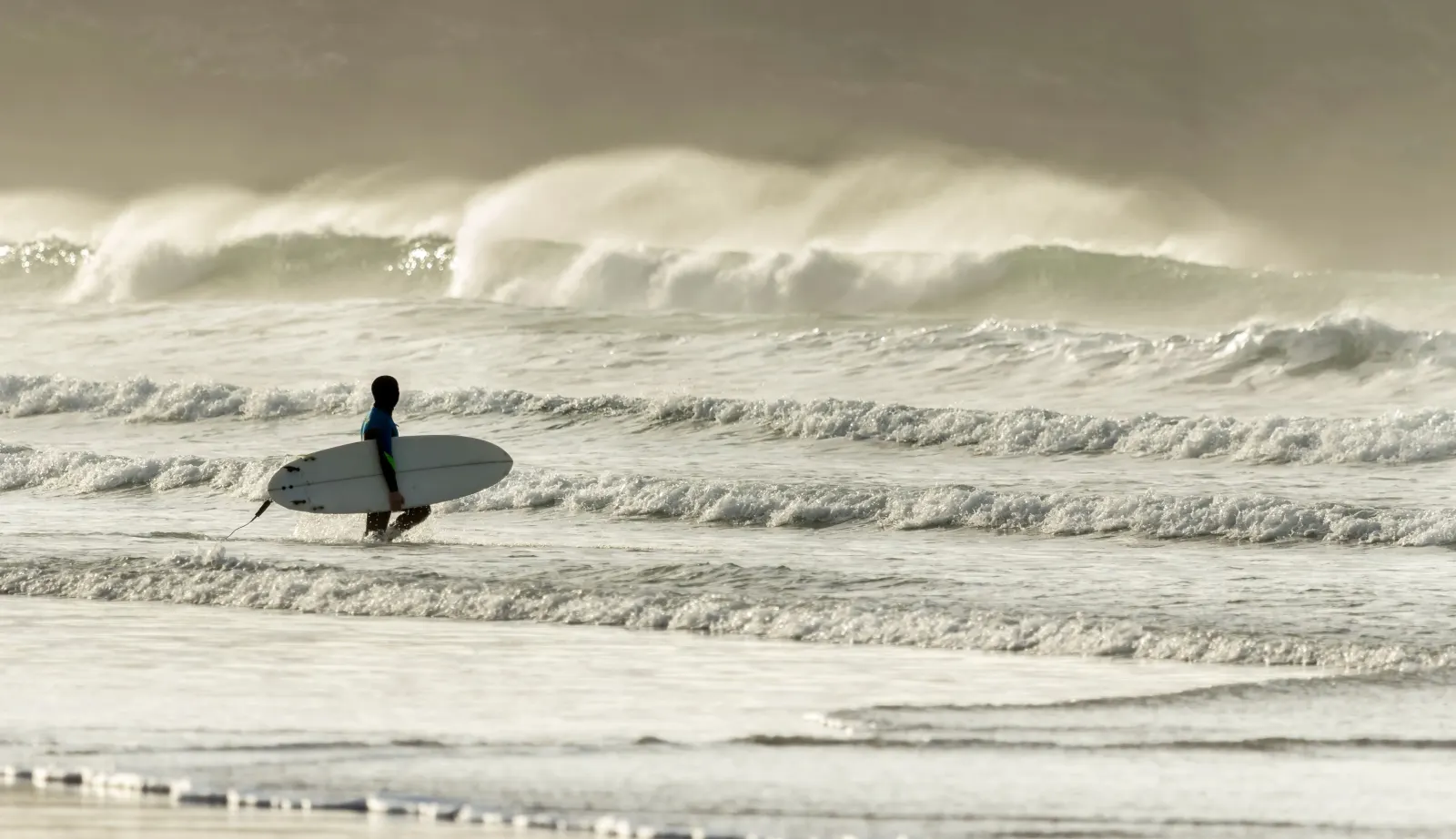
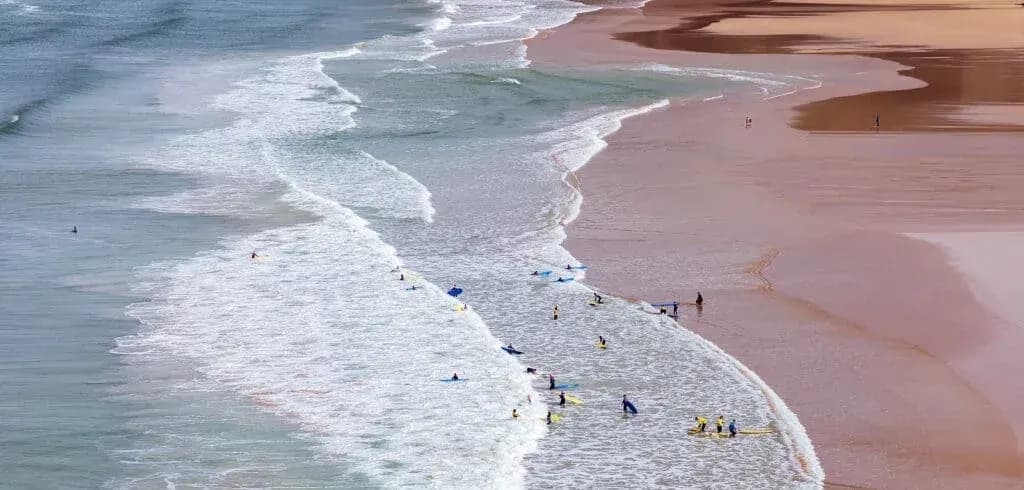
Whether it’s surfing at Summerleaze Beach, hunting down the best pasty in Padstow or just seeking rest and relaxation. Cornwall has something for everyone…more than you can shake seagull at!

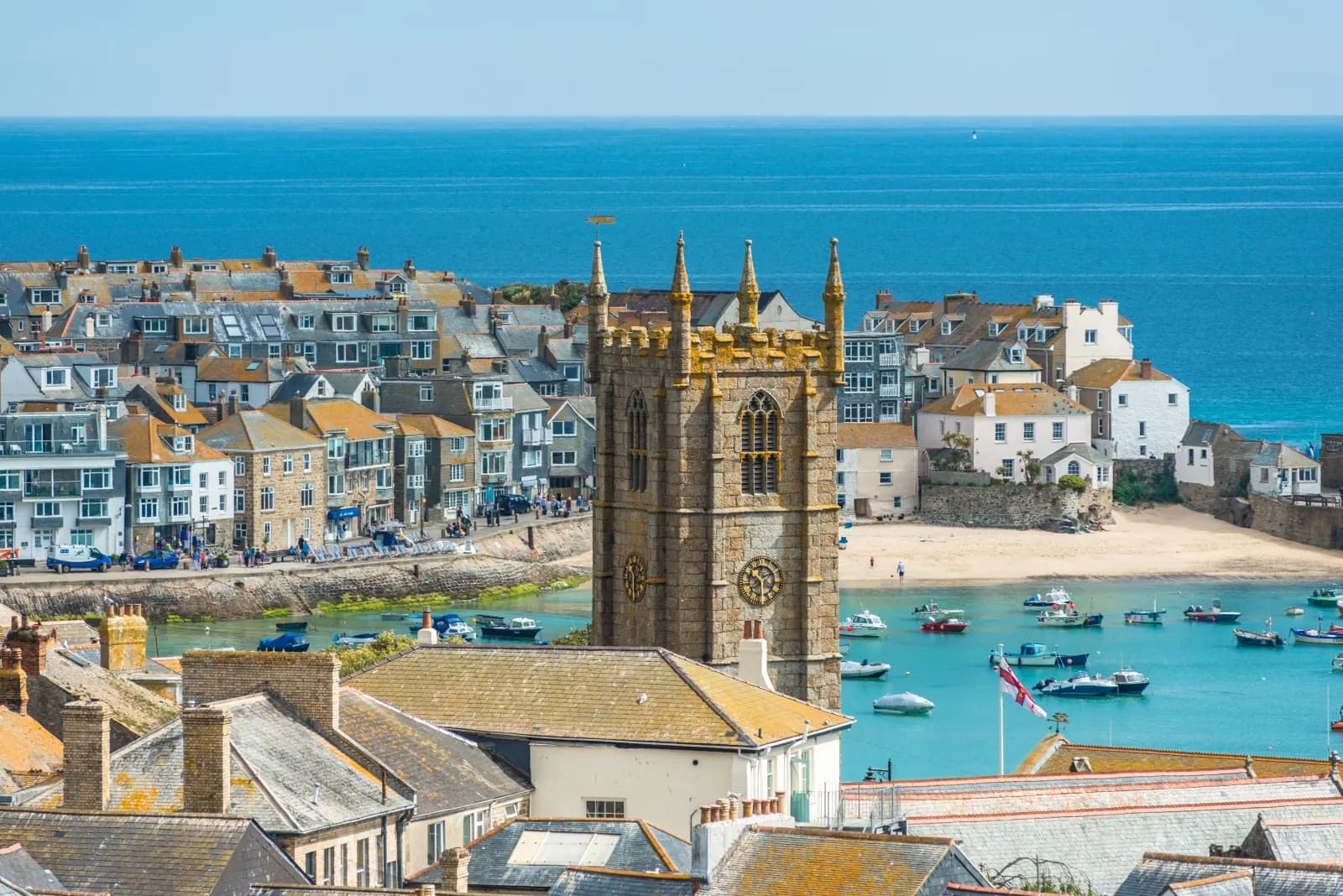
Every corner of Cornwall is different. Each has its own captivating story to tell. From the rugged cliffs at Land’s End and the north coast to the cobbled, time-worn streets of St Ives. You can have it all…and some more!  Explore ancient castles, feast on locally caught seafood, or simply soak up the mellow vibes that makes the Duchy so special.

What Cornwall.co.uk will do for you:

Essential Information – From top award-winning attractions to hidden gems in Cornwall, we are growing our coverage to give you everything you need to know about the county’s hotspots. Help Plan Trips – Detailed guides on destinations, Cornish attractions, and things to do will make planning easy.

Cultural Insights – Discover Cornwall’s rich cultural insights, history and legends.

Transparency –You do not have to take our word for it! See what others think from their comments, reviews and ratings based on their visit.

Keep in the loop  –Sign-up to our newsletter and follow us on social media for the latest.

Authenticity – All our content is written by writers who were either born in Cornwall or are Cornish is spirit in having a special bond to the country.

How Will I Benefit?

Save Time – No longer will need to search multiple sources; all the best info is in one place and across multiple channels.

Maximise Your Visit – Receive tailored recommendations for the best experiences.

Avoid Tourist Traps – Discover off the beat and track locations and avoid getting suckered into the usual crowded “hot spot” attractions.

Stay Informed –Sign-up to our newsletter and follow us on Instagram and Facebook to be kept in the loop with local news and seasonal tips

Cornwall.co.uk aims to be your essential Cornwall guide and trusty go-to companion for discovering, experiencing and enjoying this breath-taking region – whether you plan to visit Cornwall on holiday, moving house or just hungry to find out more.

We are very much in ‘Phase 1’ of this exciting project – Cornwall is a gigantic topic and we are adding content all of the time.

What will you discover?

There is more to Cornwall than stunning beaches and pasties. The county has a unique culture that blends history, creativity, and community spirit, making it an amazing place to visit or call home

Community and Local Life

Cornish people are proud of their heritage…and rightly so. The sense of community is strong, especially in smaller towns and parishes in rural areas. Expect friendly nods from strangers on footpaths, a love for local businesses, and an unspoken rule that if you decide to give local, independent shops a miss…you are missing out!

Thinking of moving here? Get used to village fêtes, fish festivals, and the annual debate over the best Cornish pasty (the best are always homemade). Also, expect the yearly BBC take on the Cornwall Vs Devon Cream Tea Wars.

Language and Identity

The Cornish language (Kernewek) has made a comeback and you might spot it on signs out and about in the county. As of 2021, around 500 people are fluent in Cornish, with many more learning it.1 The good news is you will not need to learn it fluently, but throwing in a casual “Kernow Bys Vyken” (“Cornwall Forever”) might earn you some clout with the locals! Learn the Top 10 Essential Cornish Phrases, here!

Some locals consider Cornwall a nation in its own right, separate from England. In 2014, Cornwall was granted official National Minority Status under the European Framework Convention for the Protection of National Minorities.2 Cornwall also has its own nationalist separatist group, An Gof, which was formed in the 1980s to seek Cornish independence from the United Kingdom.

Food and Drink Culture

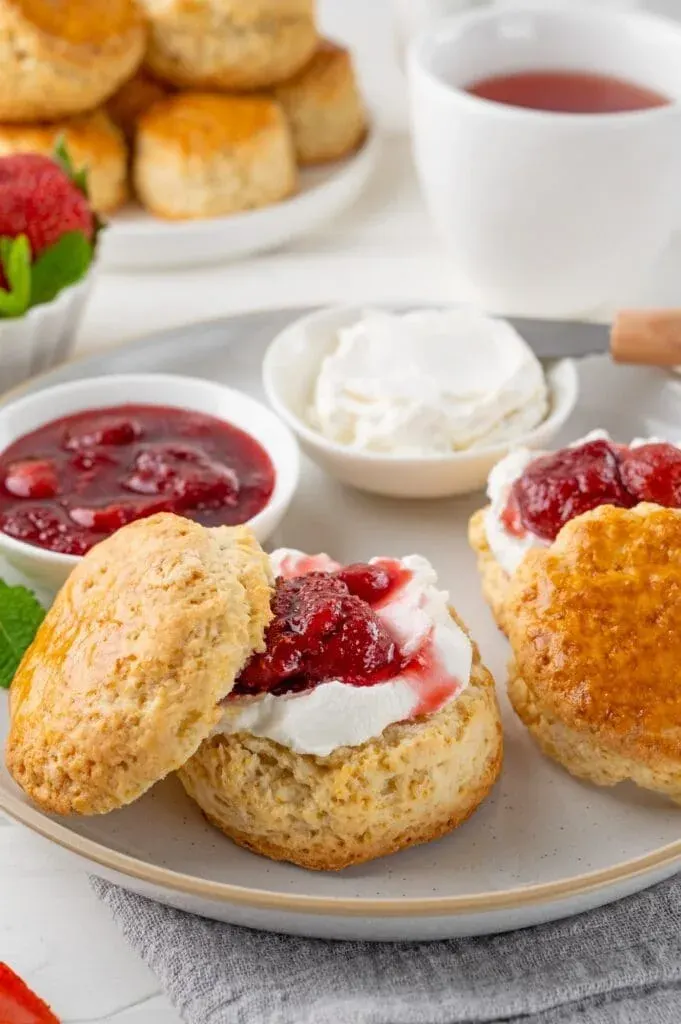
Let’s get this straight: jam first, then cream on your scone. Anything else is the Devonian way a total abomination! And if you’re grabbing a pasty, do not expect exotic ingredients—steak, potato, swede, and onion are the only acceptable fillings in a traditional Cornish pasty, according to the Cornish Pasty Association and locals alike. Any other variety would not be classed as a “proper job”!

Seafood is synonymous with Cornwall, too. Newlyn is one of the UK’s largest fishing ports, landing over 12,000 tonnes of fish annually.3 Expect locally caught fresh crab, lobster, mackerel, and monkfish to feature on menus.

Festivals and Traditions

Cornwall’s festival calendar is packed, from the Obby Oss festival in Padstow, where locals parade a giant hobby horse through the streets, to Boardmasters in Newquay, a mix of surfing and live music. The Great Estate Festive (Scorrier House) is also firmly on the map, having surged in popularity since its 2017 maiden year, thanks to its family friendly blend of big-name bands, locally produced food, art and culture.

For something uniquely Cornish, try visiting on St Piran’s Day (March 5th), when everyone dons black and white and shouts “Oggy Oggy Oggy!” in celebration of the county’s own patron saint.4

Fun fact: the phrase “Oggy, oggy, oggy,” was shouted by the wives of miners when their Cornish pasties were ready to eat, and the men would respond: “Oi, oi, oi,” upon receiving the finished product.

Outdoor Lifestyle

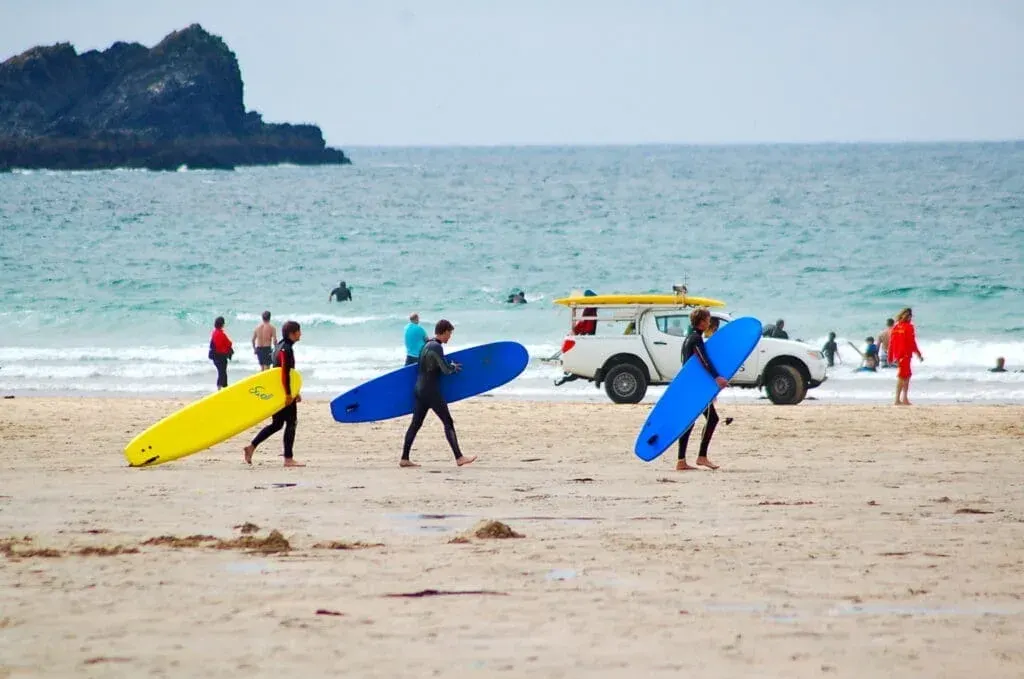
If you love the outdoors, Cornwall is your playground. With over 300 miles of coastline and golden sands, it is little surprise that Cornwall is one of the UK’s most popular surfing destinations for holidaymakers, according to the South West Coast Path Association.5

The South West Coast Path is a must, offering some of the best sea views in the UK. Thinking of moving here? Be prepared for a slower pace of life—no one’s in a rush, and that’s the way it should be. People move to Cornwall from the city for a reason!

Arts and Creativity

Cornwall has inspired artists for centuries, from Peter Lanyon, to John Miller, from Garstin Cox to John Wells. St Ives is at the epicentre of it all. The Tate St Ives and Barbara Hepworth Museum showcase work influenced by the Cornish landscape. In fact, St Ives was named one of the top artistic destinations in the UK by Art Fund in 2018.6

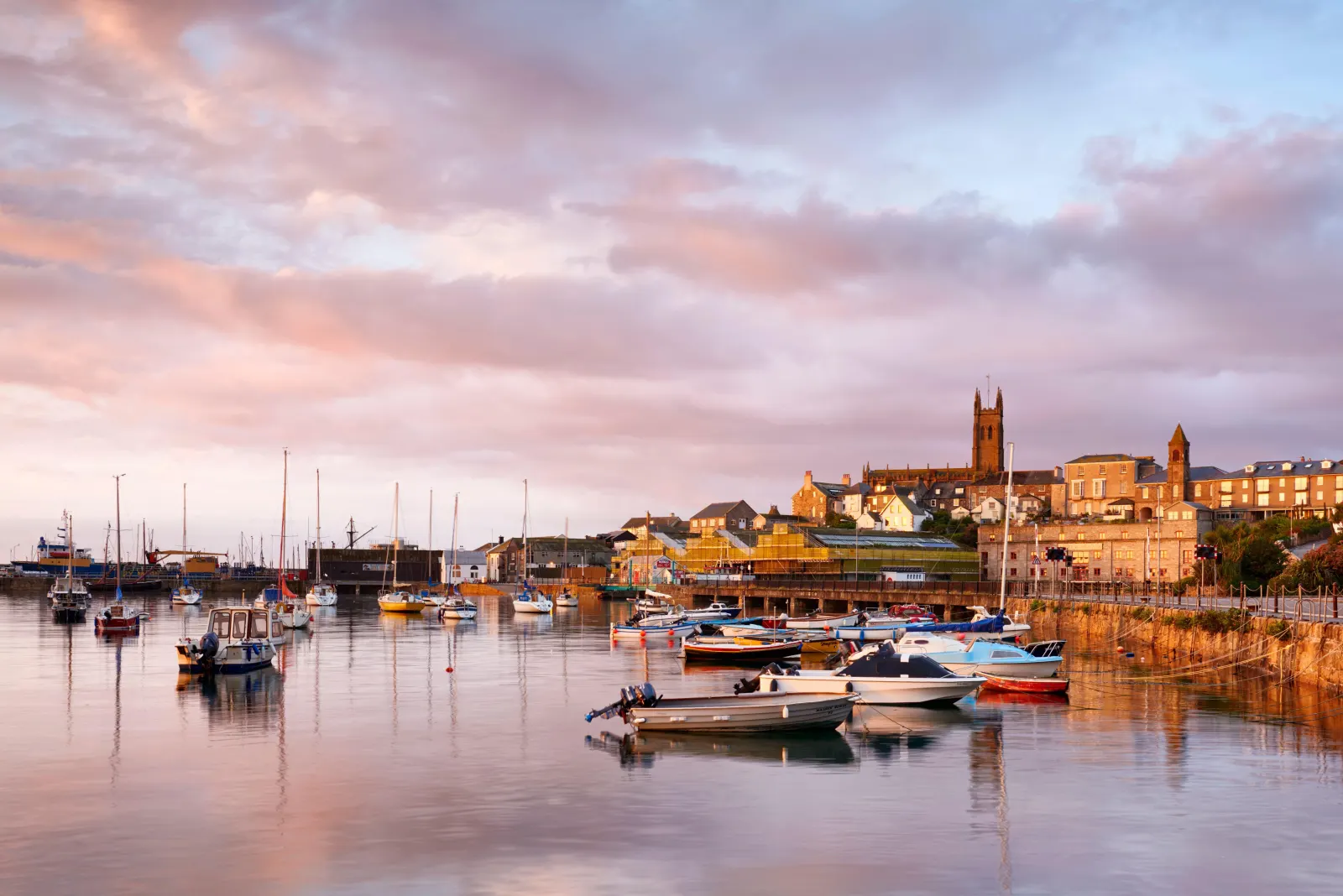
Penzance is home to a thriving creative scene. Expect plenty of independent galleries, music festivals, and craft fairs wherever you go. Falmouth is home to Cornwall’s own University (Falmouth University) and its highly coveted Fine Art (BA (Hons) degree programme has ensured a prolific flow of locally-produced artists over the decades.

Thinking of Moving?

Cornwall is not just for the summer holidays. It might be an incredible place to live, but there are a few drawbacks, as there are to everything.

  • Winters can be quiet. Many coastal towns go into hibernation with Port Isaac, Fowey and Polruan being said to turn into ‘ghost towns’ when the winter months arrive.
  • House prices have risen. The sharp rise in people wishing to relocate to Cornwall has meant average price of a home in Cornwall reached £328,000 in 2023, making it one of the least affordable places to live in the UK relative to local wages.7
  • Tourists will be everywhere in summer. If you move here, embrace it—maybe even open a café and cash in! Otherwise, go counter-cyclical and explore further inland where there will be relative peace and quiet.

Whether you plan to visit or live in Cornwall, Cornwall offers a mix of tradition, adventure, and a strong sense of identity. The locals are welcoming, the food is sublime, and the landscapes are unbeatable. So, are you ready to experience Cornwall’s unique culture for yourself?

Cornwall’s past is written into the cliffs, the moors, and the old fishing harbours. Look closely and you’ll see traces from every era – the stone circles left by the Celts, the chimneys of long-silent mines, medieval castles, and even the modern arts scene that’s still growing today. This has always been a place that looks outward, trading across the seas, resisting conquest, and sending its people and skills all over the world, and yet, through all that movement, Cornwall has kept hold of its own identity; its story is one of survival and independence, but also of creativity, community, and a pride that still shapes its villages and towns now.

The Celts and Romans

Cornwall’s earliest story belongs to the Celts, who gave the region its very name The Cornovii tribe8  lived right across the peninsula, raising hillforts on high ground like Castle an Dinas near St Columb Major and leaving behind stone circles such as the Merry Maidens near Penzance. And these aren’t just piles of old stones – they’re clues to a culture that valued gathering together, ritual, and storytelling.

The Cornish language, Kernewek, is also part of that inheritance – closely related to Welsh and Breton, it tied Cornwall into the wider Celtic world. The language did decline for a long time, but it never really disappeared, and in recent decades it’s been revived,9 meaning that today it’s once again part of daily life and remains a proud cornerstone of Cornish identity.

When the Romans arrived in the first century AD, they didn’t transform Cornwall in the same way they changed other parts of Britain – Cornwall was just too far west, just too rugged, and already too distinctive for that – but they knew the value of its minerals, especially tin, which was essential in making bronze. Tin from Cornwall10 was traded across the empire, linking the peninsula with markets as far away as the Mediterranean. Roman roads and milestones have been found in Cornwall, reminders that even on the empire’s fringes, Cornwall was part of a bigger network.

Medieval Cornwall: The Tin Mining Hub

By the Middle Ages, Cornwall’s economy revolved around tin mining, which gave the region both wealth and autonomy, and the even miners had their own parliament – the Stannary Parliament11 – with legal rights granted by the Crown to regulate the industry, so Cornwall operated with a degree of independence unusual in medieval England.

Cornish tin travelled right across Europe, and the trade made local harbours busy, noisy places; towns like Lostwithiel grew into important centres of administration, while Fowey and Padstow became prosperous ports. Some of that wealth didn’t just stay in trade either – it was poured back into communities, helping to build the big, impressive parish churches you can still see today, like St Mary’s in Penzance or  St. Probus and St Grace near Truro.

This period also saw the flowering of Cornish culture. The language was widely spoken, and miracle plays performed in open-air amphitheatres, known as “plen-an-gwari”, told biblical stories to audiences in Kernewek, and the medieval drama at St Just and Perran Round are surviving examples of these unique cultural spaces.12 Religion, language, and mining wealth all combined to create a strong sense of Cornish community.

The Industrial Revolution and Cornwall’s Mining Influence

The 18th and 19th centuries saw Cornwall at the forefront of the Industrial Revolution, mains because its mines were among the most productive in the world, with vast engine houses built to pump water and extract tin and copper from deep underground. Innovators such as Richard Trevithick, who built the first steam-powered road vehicle, pushed technological boundaries and changed industries far beyond Cornwall.

Mining didn’t just shape Cornwall – it left its mark across the world. When the mines here began to close in the late 19th century, huge numbers of Cornish workers left to find a future overseas.13 They travelled to wherever deep mining was booming – South Africa, Australia, Mexico, the United States, Canada – and they took their skills with them, but they carried more than just expertise. The pasty made its way into foreign lunchboxes, Methodism found new congregations abroad, and in some places the Cornish communities became so strong they were nicknamed “Little Cornwall.”14 Thousands of miles from home, the Cornish identity lived on.

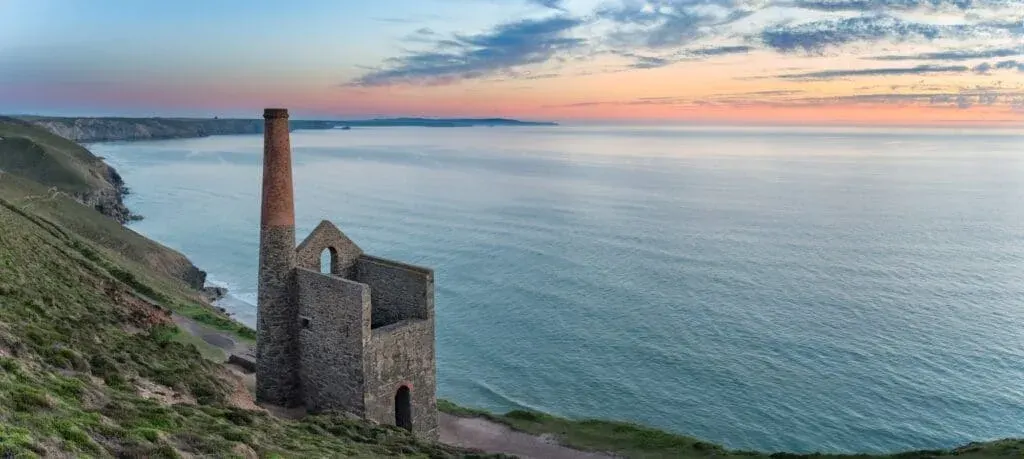
Mining also left its mark on the Cornish landscape, and today, the Cornish Mining World Heritage Site stretches from St Just to St Agnes, from Luxulyan to Caradon, and when you’re walking among the ruins of engine houses perched against the Atlantic, or out on Bodmin Moor where the moorland still hides traces of old workings, it’s easy to imagine the noise, danger, and intensity of 19th-century mining life.

The Cornish Pirates

Cornwall’s coastline has always been both a blessing and a curse, since its hidden coves and rugged cliffs made it a haven for smugglers and pirates, especially during the 16th and 17th centuries. And smuggling wasn’t just about daring rogues – it was often a community effort, and entire villages benefited from brandy, silk, or tobacco landed under cover of night, with customs officers kept at bay by local support.

Cornish pirates also played their part in England’s naval conflicts; privateers, operating under licence, raided enemy ships and brought wealth back to Cornish ports. The blurred line between patriotism and piracy gave Cornwall a reputation for lawlessness, but also resilience, and stories of hidden tunnels, wreckers luring ships onto rocks, and treasures buried along the coast have kept alive a romantic – if not always accurate – vision of Cornwall as pirate country.

The Barbary Pirates

Cornwall didn’t just produce its own pirates – it also suffered at the hands of others. Between the 16th and 18th centuries, Barbary pirates from North Africa carried out raids along the Cornish coast, snatching men, women, and children to sell into slavery. The numbers were grim. In 1625, a raid on Mount’s Bay saw around 60 people taken,15 and in 1640 Penzance and nearby villages were hit too – for small fishing communities, the threat was terrifying and very real.

Cornwall in the 20th and 21st Centuries

The 20th century brought big changes for Cornwall, and when the mines finally closed and fishing declined, whole communities were left struggling, with jobs scarce and many people moving away to find work, but Cornwall didn’t stand still – tourism, which had begun to grow once the railway linked the county to the rest of Britain in the 19th century, stepped in to fill the gap, and visitors came for the promise of sun, surf, and scenery, and slowly Cornwall found a new role for itself, not as an industrial powerhouse, but as one of the UK’s favourite holiday destinations.

Cornish identity went through its own revival in the 20th century. The Cornish language, once written off as extinct in the 18th century, was carefully brought back by people who refused to let it go, and by the end of the century it was being taught in schools, appearing on signs, and finding its way back into everyday life. Then in 2014 came official recognition – the Cornish were granted national minority status within the UK,16 a moment that acknowledged what locals had known for centuries: Cornwall has always been distinctive, and proudly so.

Big creative projects started to flourish as well. The Eden Project took a disused clay pit and turned it into something extraordinary – a global centre for plants, sustainability, and fresh ideas. Over in St Ives, the arrival of the Tate gallery gave Cornwall international recognition in the art world, continuing a tradition of painters and sculptors who’ve long been drawn here for the light and the landscape. And food became part of the story too when Cornwall’s natural produce and seafood found new champions, with chefs like Rick Stein and Nathan Outlaw helping put Cornish cooking firmly on the map.17 Meanwhile, traditional fishing villages such as Mousehole or inland towns like Wadebridge began to see tourism replacing their older industries.

Modern Cornwall has its challenges, of course – tourism brings huge benefits, for example, but it also raises questions about how to protect the environment and how to keep the county’s character intact in a changing world. But even so, Cornwall still feels very much like itself – a place where history and the present day sit side by side.

Historical Tips for Your Visit

Cornwall’s history isn’t tucked away in books or museums – it’s right there in front of you, and if you want to walk through the past, here are a few places that bring it vividly to life:

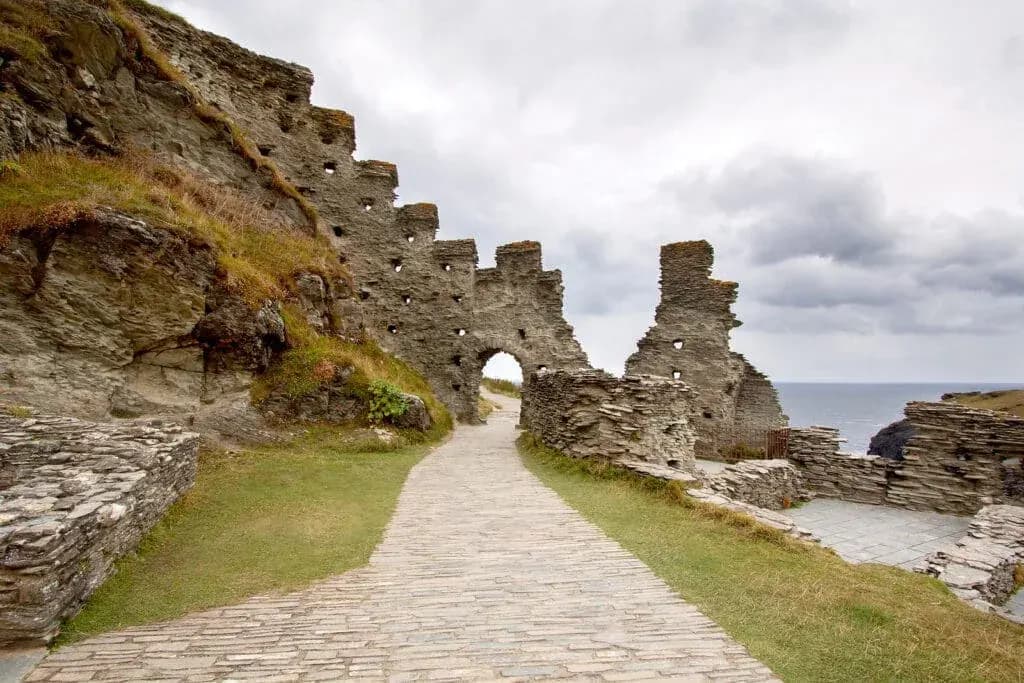
Take Tintagel Castle, for example, clinging to a clifftop, it mixes real medieval ruins with the myths of King Arthur, and with the new footbridge linking the headland back to the mainland it feels like stepping into a story.

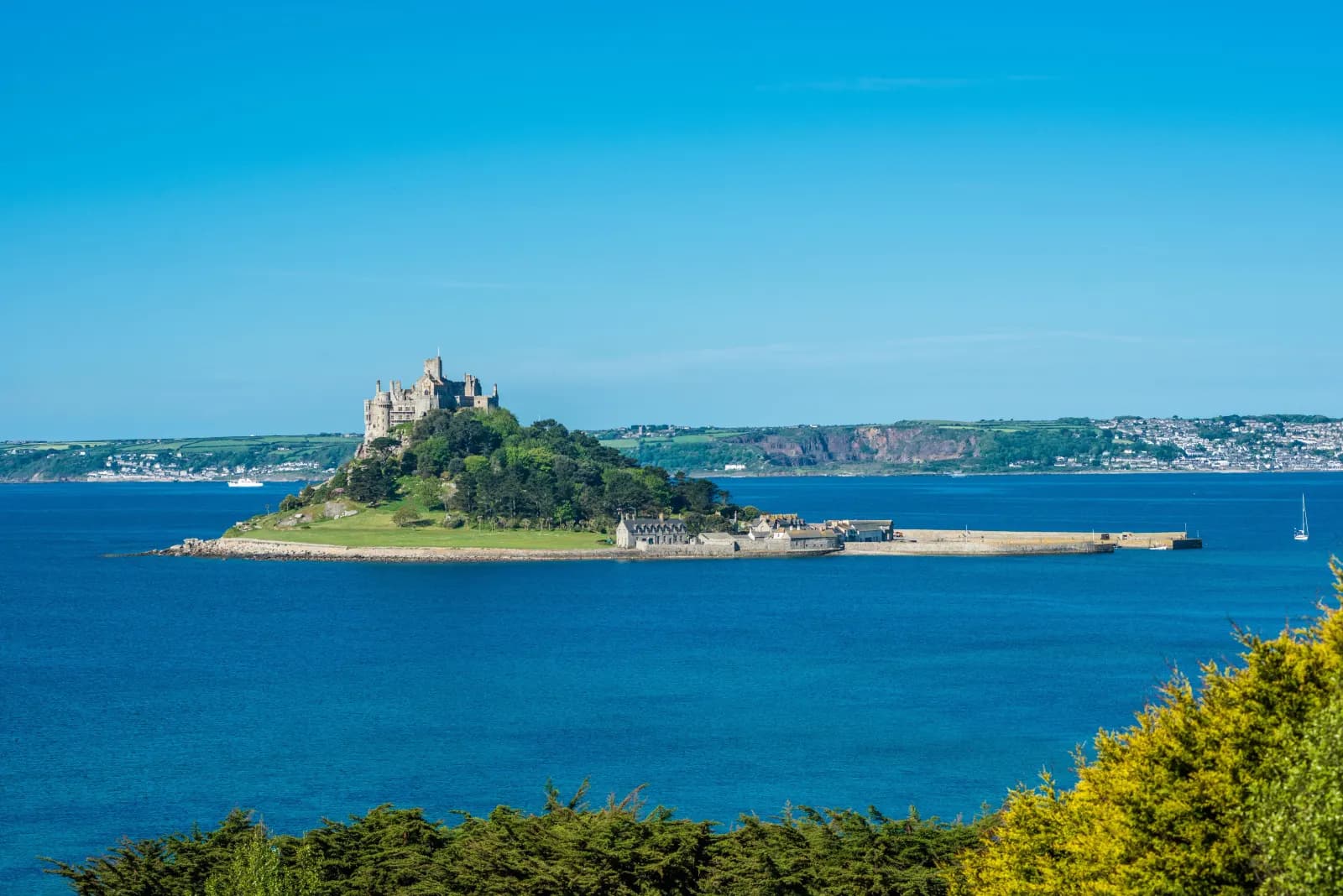
Then there’s St Michael’s Mount, a tidal island with its own castle and monastery. On some days you can walk across the causeway at low tide, and on others you’ll need to hop on the boat, which somehow makes the whole thing feel even more magical.

At Geevor Tin Mine near Pendeen you can actually go underground, and perhaps surprisingly (or not since it only closed in 1990), when former miners explain what life was like down there, it doesn’t feel like ancient history at all.

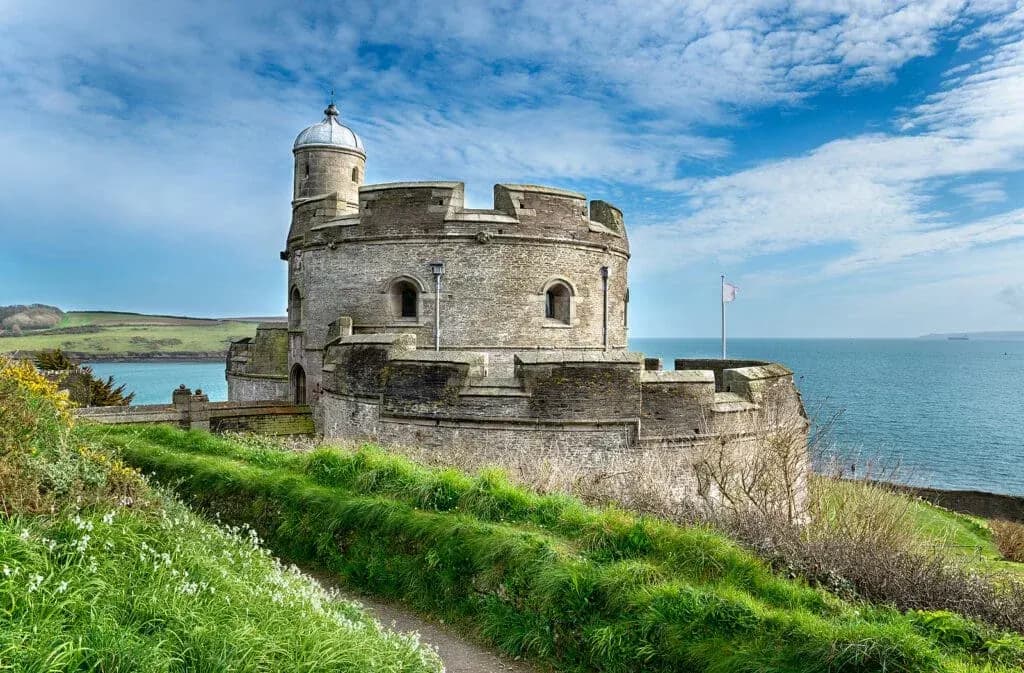
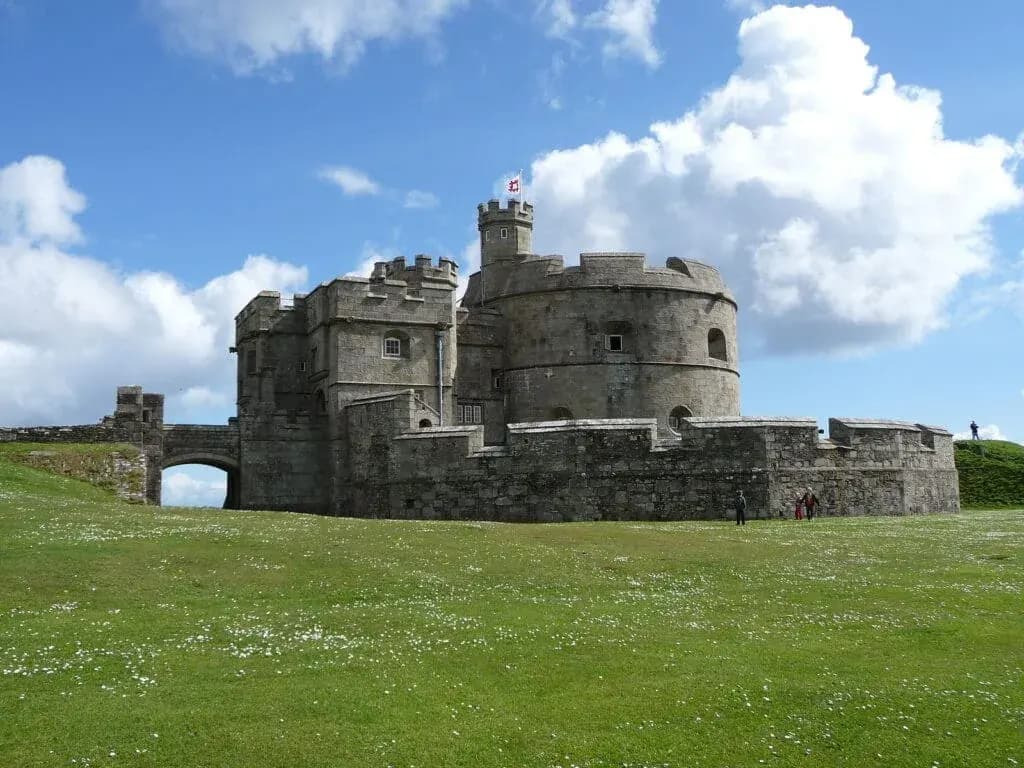
Pendennis Castle, built by Henry VIII and later expanded under Elizabeth I, was still being used during both World Wars, and if you stand on its headland and you can see exactly why it mattered so much for defence.

Charlestown Harbour is another favourite – a Georgian port that looks almost untouched for the last two hundred years. Tall ships still dock there, and film crews keep coming back whenever they need an authentic backdrop, making it just as recognisable as harbours around Plymouth or St Austell.

If you prefer something darker, there’s Bodmin Jail. Once one of Britain’s toughest prisons, it’s now part museum and part immersive attraction, which means you get both the history and the atmosphere.

For something completely different, try The Minack Theatre. Carved by Rowena Cade into the granite cliffs in the 1930s, it’s an open-air theatre where the sea itself becomes part of the stage.

And finally, Kresen Kernow in Redruth – Cornwall’s modern archive centre. It might not look much compared to castles or harbours, but inside are centuries of records, maps, and photographs, the real paper trail of Cornwall’s story.

Ready to Explore Cornwall?

Cornwall’s history is all over the place, and not in a bad way, just in the sense that it’s never stopped moving. The Celts came and left their stones, the miners dug deep and then took what they knew off to other parts of the world, and now you’ve got people still speaking bits of Cornish and holding on to old customs that make the place feel different. When you’re standing by a ruined castle or down in a harbour where the fishing boats still work, or even up on the moors where it feels like nothing has changed for centuries, it doesn’t come across like something finished, more like a story that’s still going on around you, and the only real way to get it is to be here and see it happening for yourself.

Exploring Cornwall: Top Attractions

Cornwall isn’t short on places that pull you in, but what really makes it different from almost anywhere else in the UK is the way its attractions aren’t boxed into one category; they’re scattered across cliffs, waiting in fishing villages, or hidden in old industrial sites, and each one has its own character.

Some, like the Eden Project, are famous across the world, and others, like Charlestown Harbour or the Museum of Witchcraft and Magic in Boscastle, you might only hear about once you’re here, and yet they linger in the memory just as much.

That’s Cornwall all over – you don’t just get the obvious postcard stops, you get surprises, oddities, and stories that seem to pop up everywhere. You can be exploring a ruined castle in the morning, following smugglers’ footsteps around a Georgian port in the afternoon, and watching surfers ride the Atlantic before sunset. That mix of heritage, landscape, and sheer variety is why people keep coming back.

The Eden Project

The Eden Project, near St Austell, opened in 2001 on the site of a scarred clay pit. Today, its massive biomes are among the most recognisable landmarks in Britain. The rainforest biome feels like stepping into another country – hot, humid, and dense with trees and birdsong – while the Mediterranean dome is calmer, with olive trees, citrus plants, and herbs scenting the air. There’s also a canopy walkway and exhibitions on food, energy, and sustainability. Seasonal events, like live music in summer or an ice rink in winter, make every visit unique.

The Lost Gardens of Heligan

The Lost Gardens of Heligan were abandoned after World War I and reclaimed by nature for seventy years. In the 1990s, conservation efforts restored them. Visitors walk through distinct “rooms” of landscape: the Victorian Productive Garden, the jungle area with boardwalks through giant rhubarb and tree ferns, and art installations like the Mud Maid. Heligan’s hidden corners and twists create a sense of mystery and discovery.

Tintagel Castle

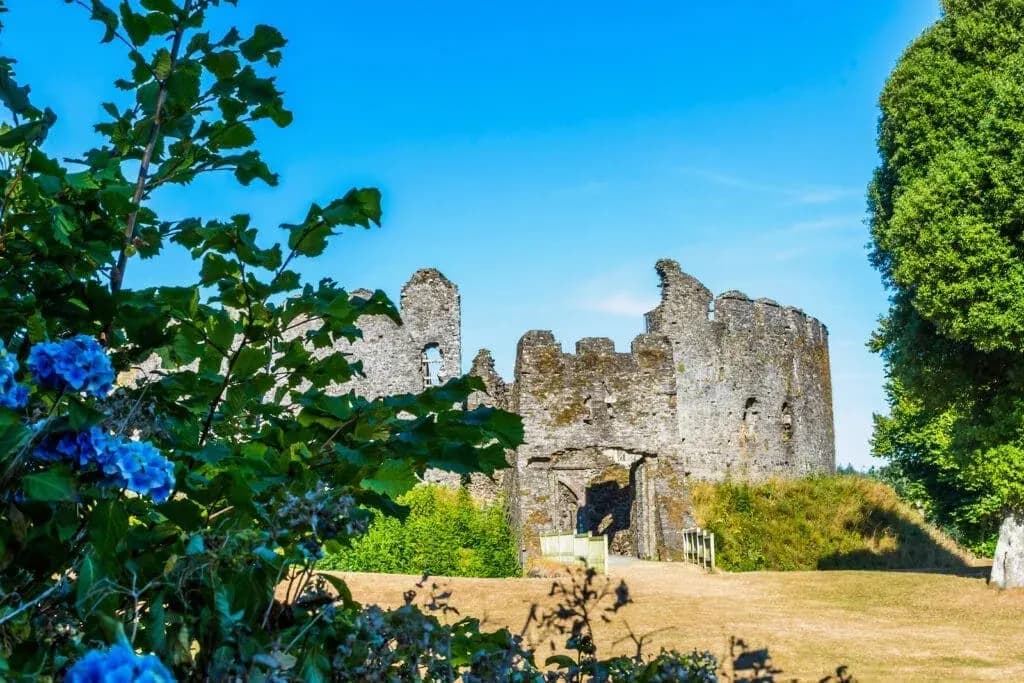
Tintagel Castle on Cornwall’s north coast blends history and legend. Archaeological digs reveal it was a medieval stronghold, but the popular imagination ties it to King Arthur and Merlin. Visitors enjoy clambering through the ruins, exploring the archaeology, or soaking in the Arthurian legends while taking in the dramatic coastal scenery.

Pendennis Castle

On the Fal Estuary near Falmouth, Pendennis Castle was built by Henry VIII and used through the Elizabethan era, the Civil War, and both World Wars. Visitors can explore interactive exhibitions, watch cannon demonstrations, and enjoy the sweeping views across the water, making it an engaging experience for families and history buffs alike.

Newquay and Fistral Beach

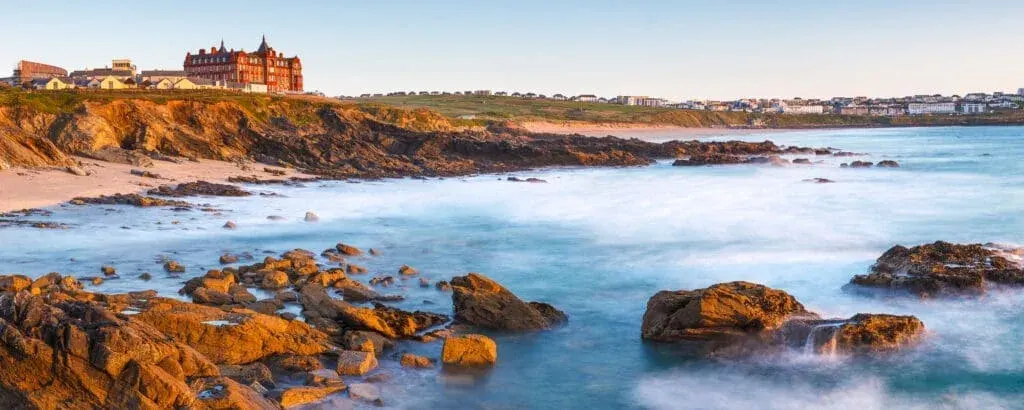
Fistral Beach in Newquay is Britain’s surf capital. Surf schools, beginners, and pros all share the waves. Summer events like the Boardmasters Festival attract huge crowds, while quieter months still offer dog walkers, families, and locals catching waves. Newquay’s surf culture defines much of modern Cornwall.

Charlestown Harbour

Charlestown Harbour, built in the late 1700s, is one of the best-preserved Georgian harbours in the country. Historically a hub for copper and China clay, it now hosts tall ships and film crews, including for Poldark. Cobblestones, rigging creaks, and wooden ships create an atmospheric stroll along the harbour wall. The Shipwreck Treasure Museum adds historical context.

Bodmin Jail

Located on Bodmin Moor, Bodmin Jail was built in 1779 to house debtors, smugglers, and criminals. It closed in 1927 and is now a museum with sound effects, lights, and interactive displays. Visitors can experience the cold, heavy atmosphere of the jail while learning about its history.

Land’s End

Land’s End is the westernmost point of mainland Britain. Visitors enjoy sweeping views of the Atlantic, with the Isles of Scilly visible on clear days. The site has a visitor centre with shops and attractions, but the cliffs themselves are the main draw.

Museum of Witchcraft and Magic

In Boscastle, the Museum of Witchcraft and Magic houses one of the world’s largest collections of items related to witchcraft, folklore, and magical traditions. Shelves and cases display charms, talismans, ritual tools, and stories from healing practices to witch persecution. The museum’s cliffside location adds to its mysterious atmosphere.

Ready to Explore?

These nine sites showcase Cornwall’s mix of heritage, nature, and quirkiness. But the real charm is in the small surprises – hidden gardens, quiet coves, tiny villages like Mousehole, or market towns like Wadebridge. Cornwall’s story is woven from both the big names and the unexpected discoveries that make every visit memorable.

Best in Travel
2025

Cornwall Insights & News

Explore our latest stories
What is Cornwall Most Famous For?
Travel inspiration delivered directly to your inbox

Ask a question

Frequently Asked Questions

Here, you’ll find answers to the most popular questions we get about Cornwall.

Can’t find what you’re looking for? Feel free to contact us! We’re happy to help.

Cornwall is most famous for its stunning coastline, golden sandy beaches, and picturesque seaside villages. This beautiful county in southwest England is also renowned for its rich mining heritage, the iconic Cornish pasty, and delicious clotted cream. Visitors love Cornwall for its dramatic cliffs, surf spots like Newquay and Fistral Beach, and landmarks such as St Michael’s Mount, Tintagel Castle, and Land’s End. With its unique culture, Celtic history, and breathtaking scenery, Cornwall is one of the UK’s most popular holiday destinations.

This is a tough one… and it will depend on what you value the most. Below are some picks that locals and tourists often rave about! However, many would argue this is merely the tip of the ice-burg!

St Ives: An all-rounder and a fabulous destination if you seek the charm of a fishing town with golden beaches, clear waters and an artistic feel. The town itself is studded with many local galleries, cobbled streets, wonderful cafes. The sunset is pretty spectacular too.

The Roseland Peninsula: A more low-key, peaceful destination compared to many hot-spots. The rolling countryside allows for picturesque views, hidden coves and quieter beaches.

Kynance Cove: Has often been dubbed “a UK favourite”. For sun-seekers, it offers dramatic cliffs, white sandy beaches and a crystal-clear sea. It could easily be mistaken for somewhere in the Mediterranean…if the sun is out!

Mousehole: A quaint fishing village with the trappings of traditional Cornish charm. Just beware of those narrow lanes! At Christmas, the famous Christmas lights are especially a must see.

Truro is Cornwall’s one and only city. It was granted “city status” by Queen Victoria in 1877, when its Gothic Revival cathedral was being built. Upon its completion in 1910, Truro’s status as Cornwall’s capital was cemented.

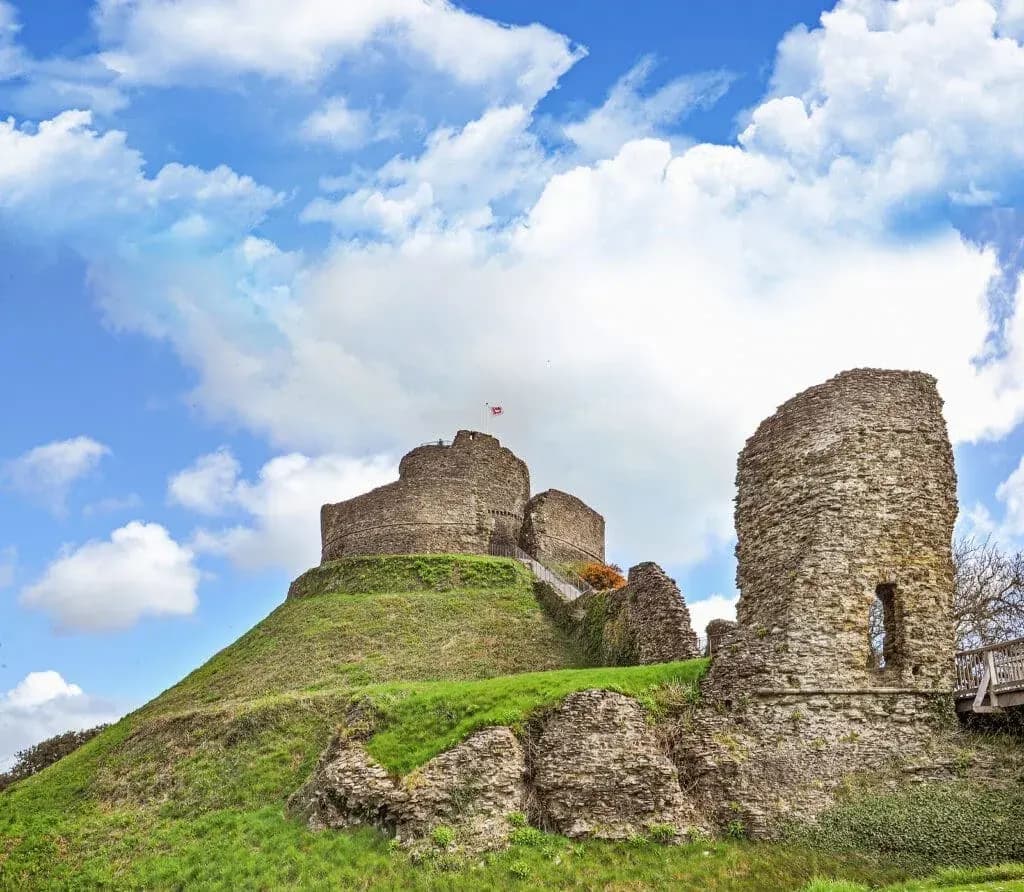
Before Truro, Launceston held the title. For centuries, Launceston was the de facto capital of Cornwall title thanks to its strategic location near the Devon border and its historic Norman castle, which served as the seat of the Earls (and later Dukes) of Cornwall.

This really depends on whether it is a question of political borders of cultural identity. Cornwall is both English and Celtic.

The Celtic Dumnonii and Cornovii tribes inhabited the county between the Iron Age and Post-Roman period. It joins Wales, Ireland, Scotland, the Isle of Man and Brittany as being a member of the ‘Celtic nations.’

Cornwall is English by political governance and is a part of England as a county in the southwest, under the purview of English law and government. Even if the Celts have long disappeared, their influence are deeply woven into Cornwall’s cultural identity.

Cornish locals can quickly tell if someone “is not from around here” by the way local names are pronounced – or mispronounced as the case may be! The towns of Mevagissey, St. Ives, Mousehole, Penzance and Helston are no exception to this. However, the most frequent mispronunciation that tops the charts is the town of Fowey.

It is often incorrectly pronounced as “Fo-wey.”

By pronouncing Fowey, “Foy”, you have will have instantly succeeded in avoiding a common pronunciation pitfall!

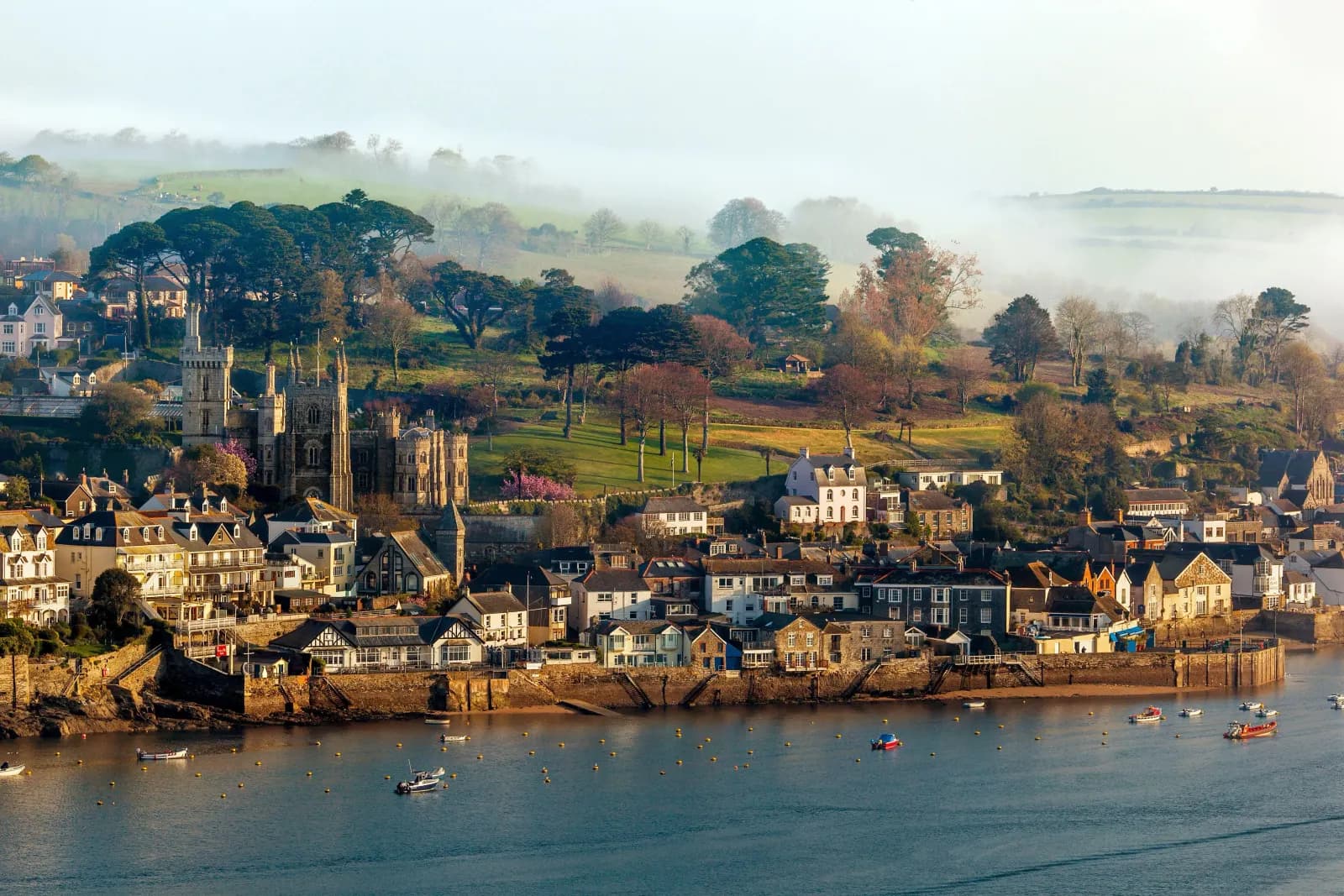
Fowey is a small port town, perched on the southern Cornish coast. It has 2,300 residents that call Fowey “home” and is celebrated for its historic Daphne du Maurier links. It is also aplomb with independently owned shops and renowned for its scenic harbour along with its cobbled streets

Cornwall has rich culinary heritage. It empathises fresh local ingredients both from land and the sea. An infamous regional icon, once enjoyed by miners, is the Cornish pasty.

Eaten hot or cold, this regional classic is a hearty pastry filled with beef, potatoes, onions, and swede. Seafood is also a staple. You can enjoy locally caught Cornish crab, lobster, mackerel and mussels in many of the county’s coastal restaurants.

The traditional Cornish cream tea is also a favourite, with locally-produced jam and cream smothered over a halved scone (with jam on top first, mind!). Cornish cider and ales are also a must. Be sure to arrive hungry!

As Cornwall has over 300 beaches along 250 miles of coast, it really is more of a question of when you will find your nirvana rather than “if.” It really does depend on what you are looking for.

Below – a few suggestions based on what many visitors and locals enjoy:

Surf and water sports: Head to the world-renowned Fistral Beach (Newquay) on the North Cornish coast for top-tier waves. If you are newer to surfing try Polzeath Beach for a gentler setting. If you are further west, try Perranporth or Porthleven Beach for more experienced surfers.

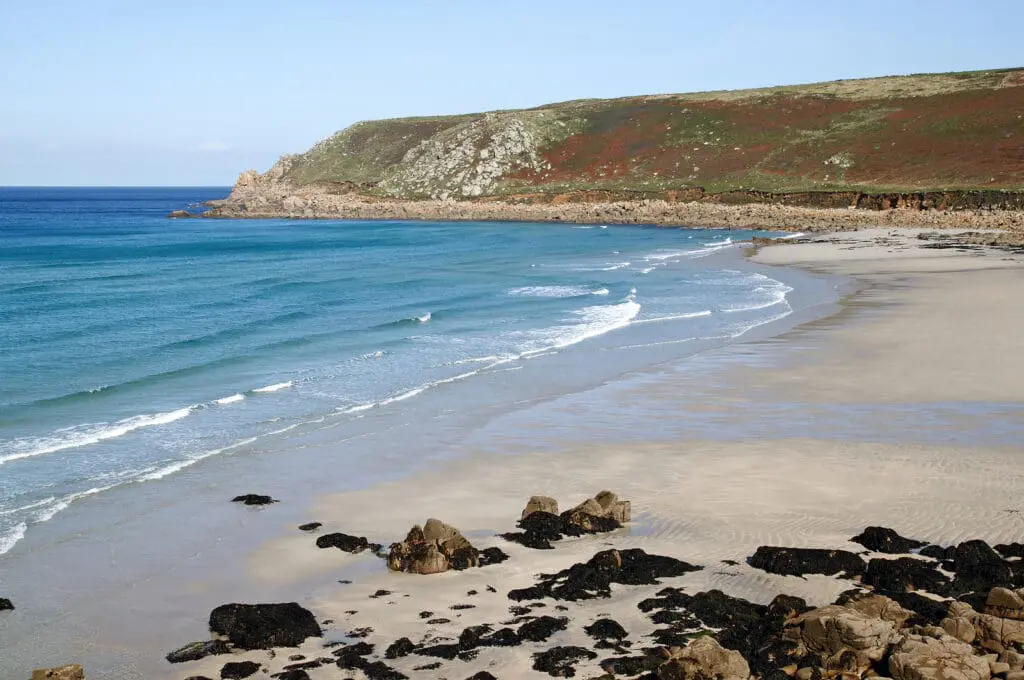
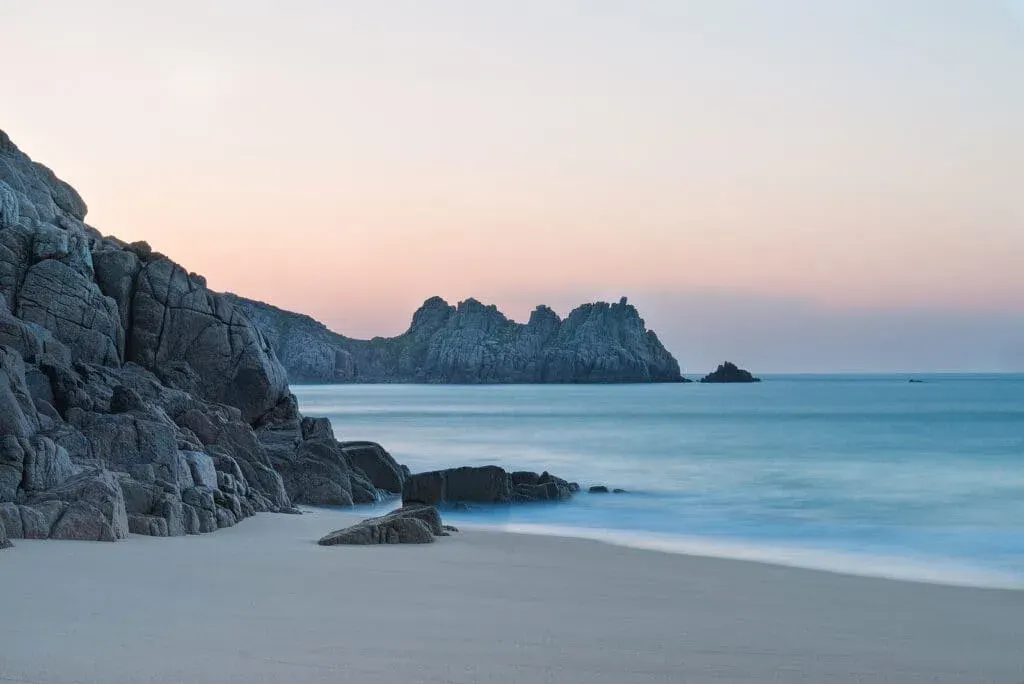
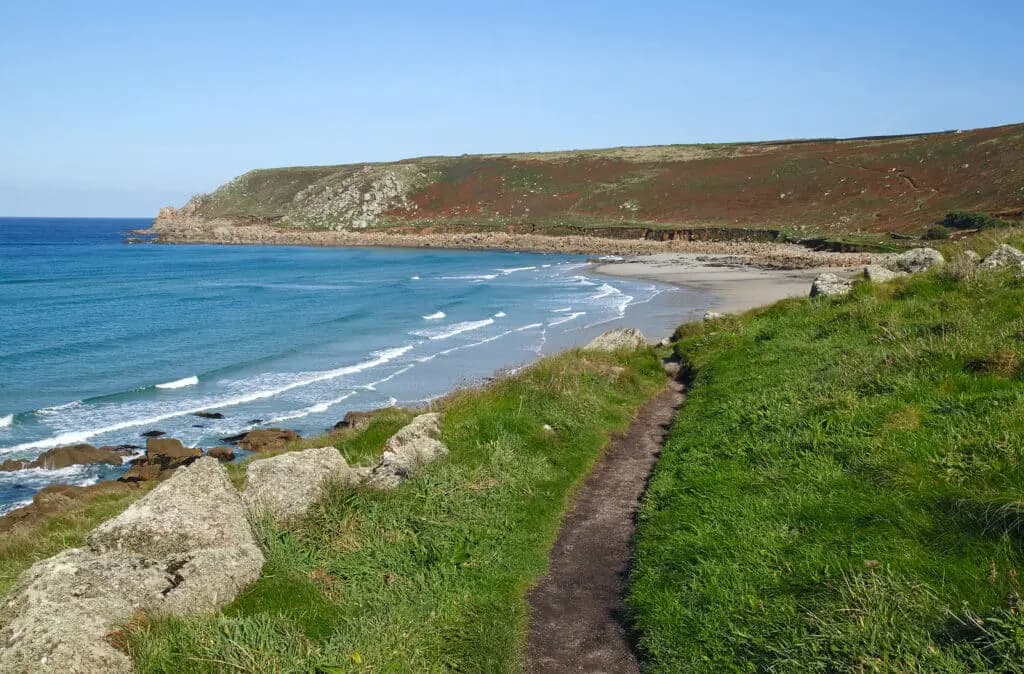
Rest and relaxation: For a move relaxed, quieter vibe, explore the turquoise waters of Sennen Cove Beach (Near Land’s End) or build sandcastles in the peach and tranquillity of Portheras Cove Beach. Or, if you require adventure in pursuit of secluded relaxation, Lantic Bay Beach (Polruan) provides that picture perfect setting after a steep walk down!

Before you travel, be sure to check the tide times so that you can be sure to maximise your enjoyment.

Discover Your Next Cornwall Destination

@CornwallUnpacked
Follow www.cornwall.co.uk:
Instagram
Pinterest

Article Sources

  1. Office for National Statistics (2021) ‘Cornish language data, Census 2021’, Office for National Statistics. Available at: https://www.ons.gov.uk/peoplepopulationandcommunity/culturalidentity/ethnicity/articles/cornishidentityenglandandwales/census2021 (Accessed: 9 October 2025) Office for National Statistics[]
  2. UK Government (2014) ‘Cornish granted minority status’, GOV.UK. Available at: https://www.gov.uk/ (Accessed: 9 October 2025) GOV.UK[]
  3. Marine Management Organisation (2022) ‘UK Sea Fisheries Annual Statistics Report’, UK Government. Available at: https://www.gov.uk/government/organisations/marine-management-organisation (Accessed: 9 October 2025) GOV.UK[]
  4. Wikipedia contributors, “Oggy Oggy Oggy,” Wikipedia, The Free Encyclopedia, 16 September 2025, last edited (UTC), https://en.wikipedia.org/wiki/Oggy_Oggy_Oggy [accessed 10 October 2025]  Wikipedia[]
  5. South West Coast Path Association (n.d.) ‘Explore the Coast Path’, South West Coast Path Association. Available at: https://www.southwestcoastpath.org.uk/ (Accessed: 9 October 2025) South West Coast Path Association[]
  6. Art Fund (2021) ‘Top artistic destinations in the UK’, Art Fund. Available at: https://www.artfund.org/explore/museums-and-galleries/tate-st-ives (Accessed: 9 October 2025) Art Fund[]
  7. Office for National Statistics (2023) ‘UK House Price Index: Cornwall’, Office for National Statistics. Available at: https://www.ons.gov.uk/visualisations/housingpriceslocal/E06000052 (Accessed: 9 October 2025) Office for National Statistics[]
  8. Cornwall and the Cornovii (2025) Pendredfamilyhistory.co.uk. Available at: https://www.pendredfamilyhistory.co.uk/PENDRED_family_history_web_site/Cornwall_and_the_Cornovii.html Cornwall and the Cornovii[]
  9. Collett, R. (2023) Why Cornwall is resurrecting its indigenous language, www.bbc.com. Available at: https://www.bbc.com/travel/article/20230423-why-cornwall-is-resurrecting-its-indigenous-language BBC[]
  10. Boag-Wyllie, A. (2023) A Brief History of Mining in Cornwall, Wilderness England. Available at: https://wildernessengland.com/blog/mining-cornwall Wildnerness England[]
  11. History of the Cornish Stannaries (no date) Cornwall For Ever! Available at: https://www.cornwallforever.co.uk/history/cornish-stannaries Cornwall Forever[]
  12. Plen-an-Gwarry, St Just (2014) Miracle Theatre | Touring theatre made in Cornwall across the UK since 1979. Available at: https://miracletheatre.co.uk/venues/plen-an-gwary-st-just/ Miracle Theatre[]
  13. The Great Emigration (2018) Cornish studies resources. Available at: https://bernarddeacon.com/demography/the-great-emigration Bernard Deacon[]
  14. Telegraph.co.uk. (2025). Available at: https://www.telegraph.co.uk/travel/destinations/oceania/australia/articles/innes-national-park-adelaide Telegraph[]
  15. Johnson, B. (no date) Barbary Pirates and English Slaves, Historic UK. Available at: https://www.historic-uk.com/HistoryUK/HistoryofEngland/Barbary-Pirates-English-Slaves Historic UK[]
  16. Cornish granted minority status within the UK (no date) GOV.UK. Available at: https://www.gov.uk/government/news/cornish-granted-minority-status-within-the-uk GOV.UK[]
  17. Moore, J. (2022) 15 Amazing Seafood Restaurants in Cornwall, UK (2025), Pocket Wanderings. Available at: https://www.pocketwanderings.com/best-seafood-restaurants-in-cornwall Pocket Wanderings[]