

42 articles
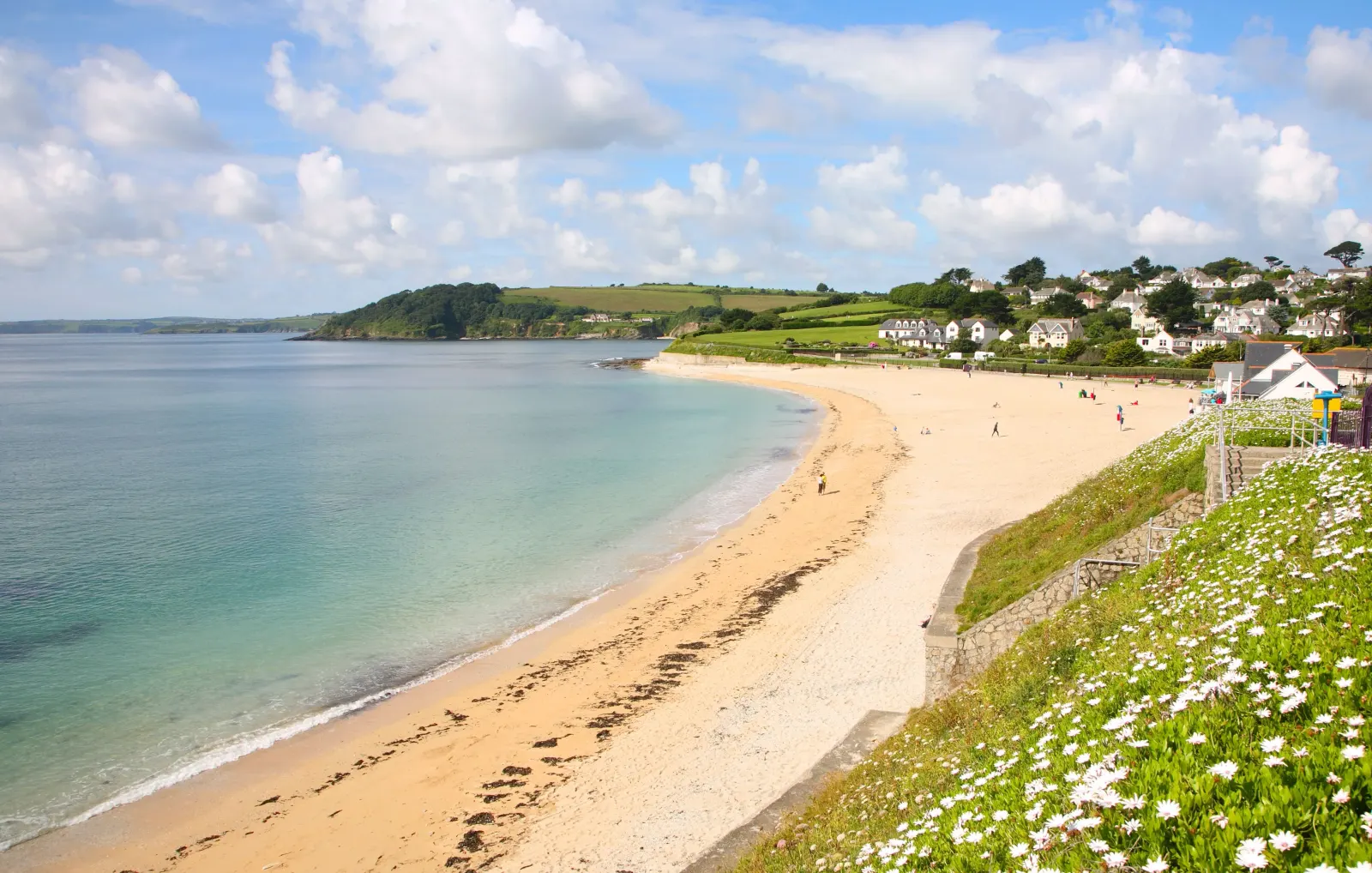
Gyllyngvase Beach is a wide sandy beach near Falmouth in Cornwall, best known for its calm swimming waters, Blue Flag status, and easy access from the town centre. It’s particularly popular with families, open-water swimmers, and paddleboarders during the summer months, when RNLI lifeguards patrol the beach.
Its unique hook? You can leave the cafés and shops of Falmouth town and be standing on soft pale sand within minutes — yet still enjoy uninterrupted, stunning views across Falmouth Bay towards the Lizard Peninsula.
This guide covers everything you need to know before visiting Gyllyngvase Beach in South Cornwall.
At a Glance
- Sand type
- Pale, soft sand with rockpools revealed at low tide
- Dog rules
- Seasonal daytime restrictions (typically May–September)
- Parking
- Cliff Road car park directly above the beach
- Best for
- Families, swimming, kayaking, coastal walks
- Nearby
- Swanpool Beach (0.45 miles), Castle Beach (0.57 miles), Flushing Beach (1.29 miles) Gyllyngvase beach combines town convenience with classic south west coastal scenery, making it one of the most popular beach choices in Cornwall.
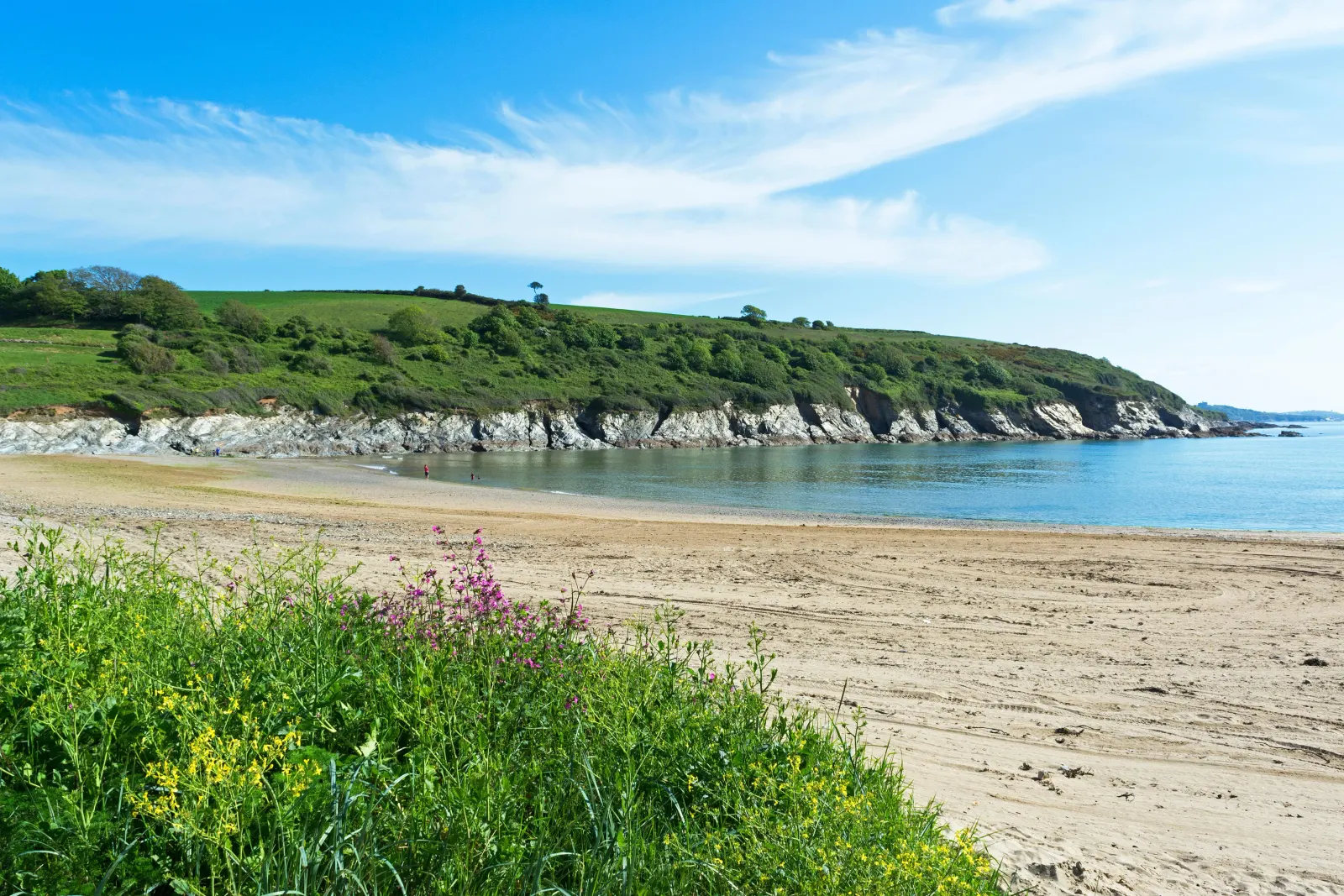
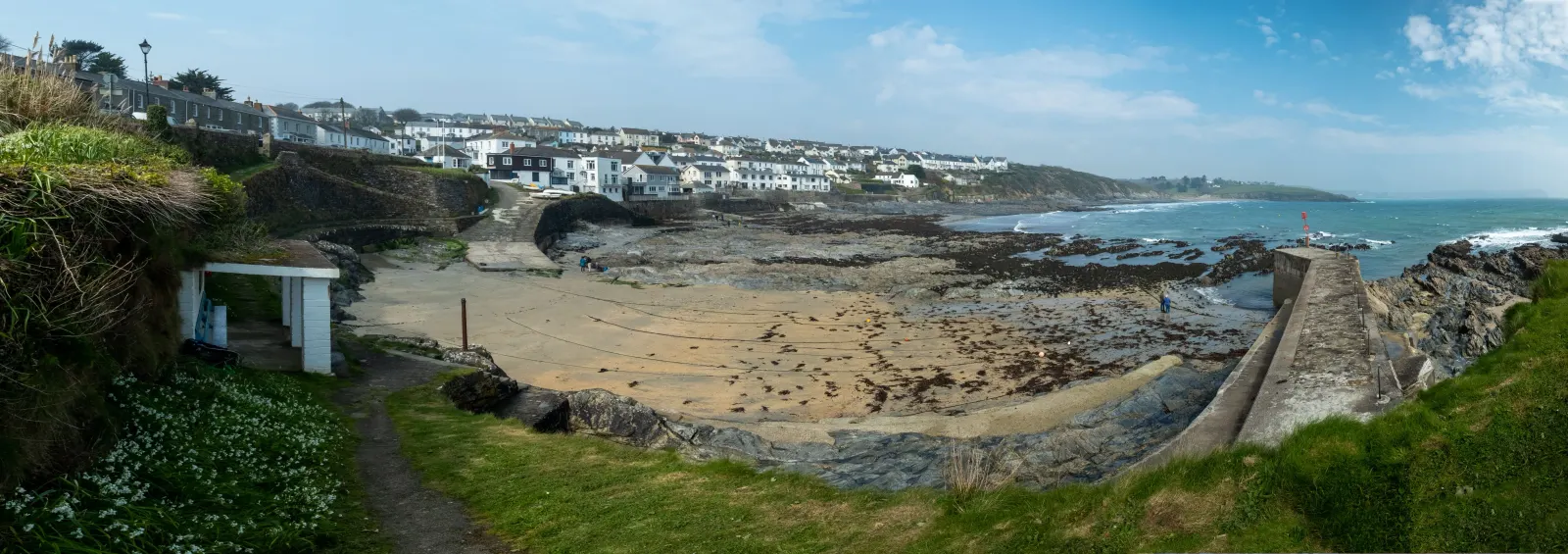
Gyllyngvase Beach images
Beach Type & Physical Characteristics
Is Gyllyngvase Beach sandy or pebbly?
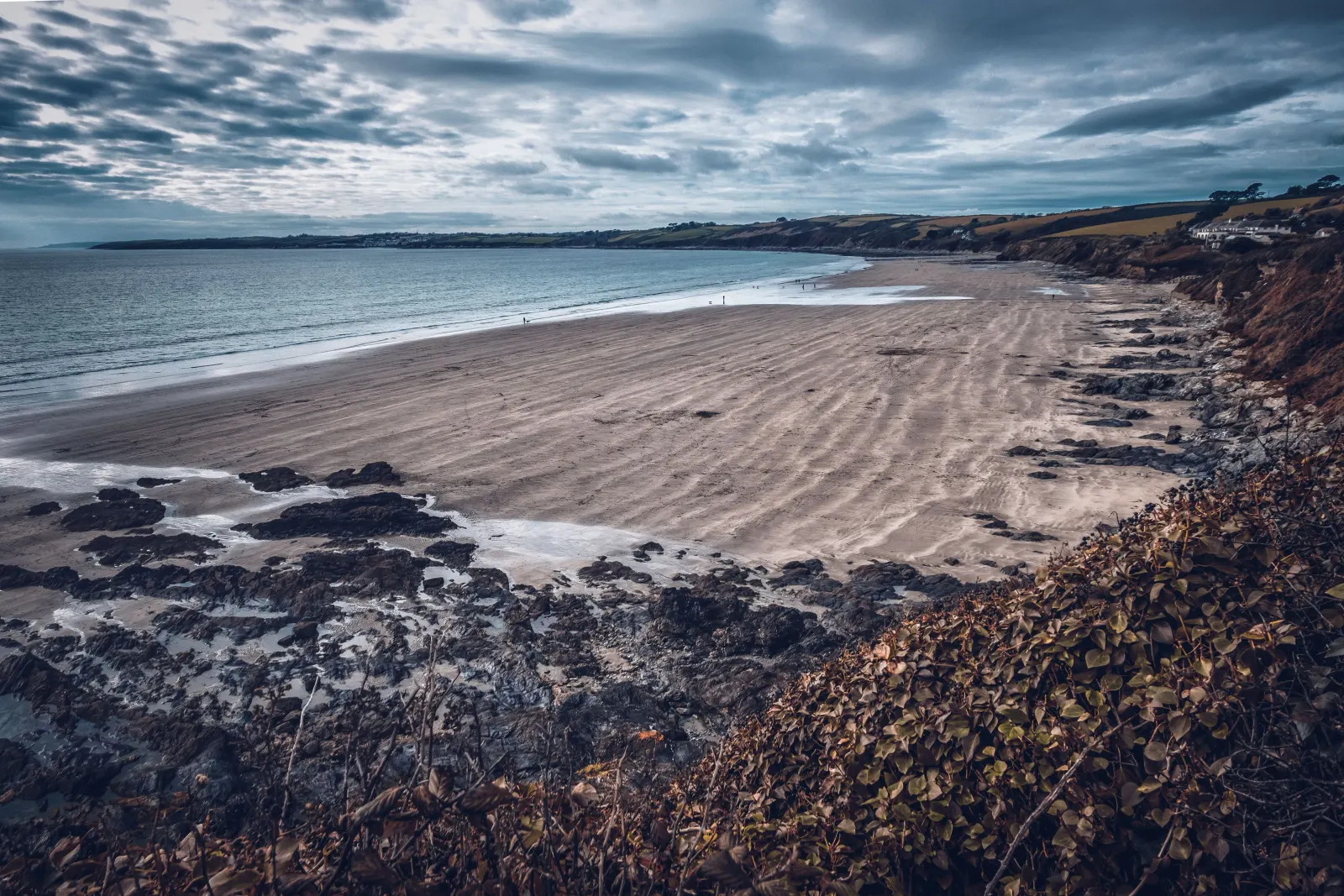
Gyllyngvase is predominantly a sandy beach, with a broad sweep of pale sand stretching across the bay. Unlike some Cornish coves that are heavily pebbled, the main central section here is soft underfoot.
At mid to low tide, the beach expands significantly, revealing a generous area for sitting, playing, and walking. Toward the edges — particularly near the rocks below Pendennis Point — you’ll find patches of pebbles and exposed rockpools.
At high tide, the beach does narrow, especially during spring tides, but it rarely disappears completely.
What is the sand like?
The sand at Gyllyngvase Beach is fine and light in colour, often described as pale sand. It’s soft enough for children to dig and build sandcastles comfortably, yet compact enough at low tide for easy walking and beach games.
Because the bay is relatively sheltered, the sand isn’t constantly churned by heavy surf. That means fewer stones and more usable space — one reason families consistently choose this beach over more exposed north coast alternatives.
How do tides affect Gyllyngvase Beach?
Tides make a noticeable difference here, as they do across south cornwall.
- Low tide: The beach is at its largest. This is the best time for families, walking toward neighbouring beaches, and exploring rockpools.
- Mid tide: Ideal for swimming and paddleboarding.
- High tide: The sand area reduces, and prime spots fill quickly in peak season.
If you’re planning to walk toward Swanpool Beach or explore in the direction of Castle Beach, aim for mid to low tide for the easiest access.
Dogs
Is Gyllyngvase Beach dog friendly?
Gyllyngvase Beach welcomes dogs for much of the year, but there are seasonal restrictions during the busiest period.
Are dogs allowed year-round or seasonally?
Typically, dogs are banned between 1 May and 30 September from 10am–6pm. Outside of these hours — and throughout autumn and winter — dogs are allowed on the beach.1
For completely unrestricted options nearby, the coastal paths around Pendennis Point or nearby coves provide excellent alternatives.
Swimming, Surfing & Water Safety
Is Gyllyngvase Beach safe for swimming?
Yes — and it’s one of the safest swimming beaches in Cornwall.
Gyllyngvase holds a blue flag award, recognising high standards in water quality, safety, and environmental management (Keep Britain Tidy, 2023). During the summer months, the beach is patrolled by lifeguards from the RNLI, offering reassurance for families and less confident swimmers.
The gently shelving seabed and sheltered position in Falmouth Bay reduce the risk of strong rip currents, although swimmers should always stay within flagged areas.
Is Gyllyngvase good for surfing?
Gyllyngvase beach is not known as a major surf destination. Its sheltered orientation protects it from powerful Atlantic swells.
However, that same protection makes it ideal for:
- Open-water swimming
- Paddleboarding
- Kayaking
- Beginner watersports lessons
If you’re looking for reliable surf breaks, the north coast of Cornwall is better suited.
Families
Is Gyllyngvase Beach good for families with children?
Yes — it’s widely regarded as one of the most family-friendly beaches in Falmouth Town.
The combination of soft sand, lifeguard patrols, and nearby facilities makes planning a day out simple and low stress.
Is Gyllyngvase Beach safe for kids?
- Safety: RNLI lifeguards in summer provide added reassurance.2
- Sand: Soft, clean, and ideal for playing.
- Toilets: Well-maintained public toilets and showers are available.
- Crowds: Busy in peak summer but spacious at low tide.
- Facilities: Café, car park, and nearby gardens mean you’re never far from essentials.
The short walk from the town centre also means no long treks with buckets and beach bags.
Accessibility
Is there disabled access at Gyllyngvase Beach?
Yes. Access is via a gently sloping path from Cliff Road, where accessible parking spaces are available in the main car park above the beach.
Is Gyllyngvase Beach suitable for pushchairs and wheelchairs?
Pushchairs can access the beach easily via the main ramp. Wheelchair access is good along the promenade and to the café, though access onto the sand itself may require assistance.
Is the beach good for walking?
Yes — Gyllyngvase each is excellent for walking, both on the sand and along the surrounding coastline.
At low tide, the firm, compact pale sand creates ideal walking conditions. The beach is wide enough for relaxed shoreline strolls, and the gently shelving profile means you can walk comfortably along the water’s edge. Early mornings are particularly peaceful, with calm seas and open views across Falmouth Bay.
Beyond the sand itself, the real highlight for walkers is the direct access to the South West Coast Path. The path runs above the beach and connects several of Falmouth’s most scenic landmarks. From Gyllyngvase Beach you can:
- Pendennis Point: head east around Pendennis Point toward Pendennis Castle, where elevated clifftop paths provide sweeping sea views (25 min walk)3.
- Castle Beach: continue past Castle Beach for a slightly quieter stretch with rock pools and rugged shoreline (13 min walk).
- Maenporth: walk west toward Swanpool Beach and onward to Maenporth, enjoying panoramic views across the bay toward the Lizard Peninsula and St Mawes (50 min walk).
The cliff-top sections are well maintained and clearly marked, making them suitable for most fitness levels, though there are gentle inclines in places. Benches along the route offer opportunities to pause and take in the stunning views — especially at sunrise or sunset.
For visitors staying in Falmouth Town, Gyllyngvase offers the rare combination of town-centre convenience and immediate access to some of the best coastal walking in south cornwall. Whether you’re after a short beachfront stroll or a longer headland hike, this beach is one of the strongest walking bases in the south west.4
See: Best Walks in Cornwall: Local’s Guide to Coastal & Countryside
Facilities & Access
- Parking: The Cliff Road car park sits directly above Gyllyngvase Beach, making it one of the easiest beaches to access in Cornwall. In peak season, it often fills before late morning, so arriving early is advisable.5
- Toilets: Clean public toilets, outdoor showers, and seasonal facilities are located just behind the beach.6
- Disabled access: Step-free access is available to the promenade and main amenities.
- Food: The well-known Gylly Beach Café is an award-winning beachfront venue serving fresh cornish dishes year round. It’s popular in summer, so expect queues at lunchtime.7
Things to Know Before Visiting
- Tides significantly affect how much space is available, especially at high water. Plan for low tide if you want maximum sand and easier walking toward neighbouring beaches.
- Parking fills quickly in summer months. Arrive before 10am during peak holiday weeks.
- Easterly winds tend to keep the bay calm, while strong southerlies can create choppier conditions. Seasonal dog bans apply, so check local signage before bringing pets.
Best Time to Visit
- Best month: June and September balance warm weather with fewer crowds.
- Best tide state: Mid to low tide offers the most usable sand.
- Best wind direction: Light easterly for calm waters.
- Quietest times: Early morning and evenings.
Even in winter, Gyllyngvase Beach remains attractive year round, particularly for sea swimming and coastal walks.8
What the Locals Say
Locals often describe Gylly as “Falmouth’s town beach.” It’s valued for reliable swimming conditions, easy access from falmouth town, and its friendly community feel. Winter sea swimmers meet regularly here, and many residents walk the headland daily toward Pendennis.
Final Verdict
Who should visit?
✔ Families looking for a safe, well-equipped sandy beach close to everything in falmouth town
✔ Swimmers wanting calm, Blue Flag waters with RNLI lifeguard cover in the summer months
✔ Couples seeking sea views, coastal walks and sunset dinners at Gylly Beach Café
✔ Paddleboarders and kayaking enthusiasts who prefer sheltered conditions
✔ Walkers exploring the south west coast path around Pendennis Point and South Cornwall
Who might skip it?
✘ Surfers chasing powerful Atlantic breakers
✘ Those wanting a remote, wild, off-the-grid cove
✘ Visitors seeking complete seclusion during peak summer weeks
Gyllyngvase Beach delivers convenience, safety, and classic Cornish coastal beauty in one of the most accessible spots in the south west — but if you’re after big surf or total isolation, you may prefer a more exposed stretch of coastline.
See: Best Beaches in Cornwall – The Ultimate Guide
Article Sources
- Cornwall Council (2024) Dog friendly beaches and seasonal dog bans in Cornwall. Available at: https://www.cornwall.gov.uk/environment/animal-welfare-and-enforcement/dogs-on-beaches/#:~:text=Cornwall%20Council%20enforces%20restrictions%20at%20the%20following,part%20of%20a%20Public%20Spaces%20Protection%20Order. (Accessed: 20 February 2026). Cornwall Council[↩]
- Royal National Lifeboat Institution (RNLI) (2026) Gyllyngvase Beach – Find My Nearest Lifeguarded Beaches. Available at: https://rnli.org/find-my-nearest/lifeguarded-beaches/gyllyngvase-beach (Accessed: 20 February 2026).
Royal National Lifeboat Institution[↩] - South West Coast Path Association (2026) Gyllyngvase Beach to Maenporth walk. Available at: https://www.southwestcoastpath.org.uk/walksdb/70/ (Accessed: 20 February 2026). South West Coast Path Association[↩]
- South West Coast Path Association (2026) Walk – Swanpool Nature Reserve Printable Guide. Available at: https://www.southwestcoastpath.org.uk/walksdb/499/printable/ (Accessed: 20 February 2026). South West Coast Path Association[↩]
- Falmouth BID (2026) Gyllyngvase Beach. Available at: https://www.falmouth.co.uk/see-and-do/beaches/gyllyngvase-beach/ (Accessed: 20 February 2026). Falmouth BID[↩]
- Falmouth Town Council (2023) Gyllyngvase Beach information and facilities. Available at: https://www.falmouthtowncouncil.co.uk/locations/gyllyngvase-beach (Accessed: 20 February 2026). Falmouth Town Council[↩]
- Gylly Beach Café (2024) About Gylly Beach Café. Available at: https://www.gyllybeachcafe.co.uk (Accessed: 20 February 2026). Gylly Beach Café [↩]
- Weatherspark (no date) Average Weather in Falmouth, United Kingdom Year-Round. Available at: https://weatherspark.com/y/35043/Average-Weather-in-Falmouth-United-Kingdom-Year-Round (Accessed: 20 February 2026).
Weatherspark[↩]
Frequently Asked Questions
You can reach Gyllyngvase Beach by walking 10–15 minutes from Falmouth town centre, or by car via Cliff Road, which has a nearby car park. It’s about a 30-minute drive from Truro. The beach is also accessible from the South West Coast Path, ideal for walkers exploring south Cornwall.
Yes, during the summer months, the beach attracts families, swimmers, and tourists. Gylly Beach Café and the Blue Flag facilities draw visitors, so the central sandy area can become busy between 11am and 4pm. Arriving early or later in the day helps avoid the peak crowds.
The quietest times at Gyllyngvase Beach are early mornings before 9am or evenings after 6pm. At these times, you can enjoy the pale sand, rockpools, and stunning views across Falmouth Bay with fewer people.
Early mornings tend to be the quietest, especially for walkers and photographers. Evenings are also peaceful, with families leaving after the RNLI lifeguard patrol ends. Both times are ideal for enjoying the sandy beach and coastal scenery.
Yes, there is a main car park on Cliff Road directly above the beach and additional parking in Falmouth town. Spaces can fill quickly in peak summer months, so early arrival is recommended.
Yes — the award-winning Gylly Beach Café is located on the beachfront. It serves fresh Cornish food year round, including breakfasts, seafood, and afternoon cream teas, making it perfect for families and couples.
Dogs are allowed outside peak summer hours, with a daytime ban from 1 May to 30 September, 10am–6pm. During autumn and winter, dogs can roam freely, making it a popular beach for dog walkers.
Yes, several pubs and restaurants are within walking distance of the beach in Falmouth town centre, offering classic Cornish food, drinks, and coastal views after a day on the sand.
Yes, there are clean public toilets and outdoor showers located just behind the beach. Disabled facilities are also available for year-round access.
Absolutely — it’s a Blue Flag award beach with soft sandy shores, RNLI lifeguards in summer, a café, parking, and easy access from Falmouth town. Ideal for families, walkers, and water activities like kayaking and paddleboarding.
Yes, partial disabled access is available via the promenade and the sloped path from Cliff Road. Wheelchairs can reach the promenade and café easily, though beach access may require assistance.
Written by
Rob has a background in publishing. After a 15-year stint in London and travelling the world, he returned to Cornwall to throw down roots. Fuelled by an insatiable appetite for knowledge and projects, he craves Cornwall, ribs Devon and deploys a strict ‘jam first’ policy!
42 articles published on Cornwall.co.uk
Read more from Rob →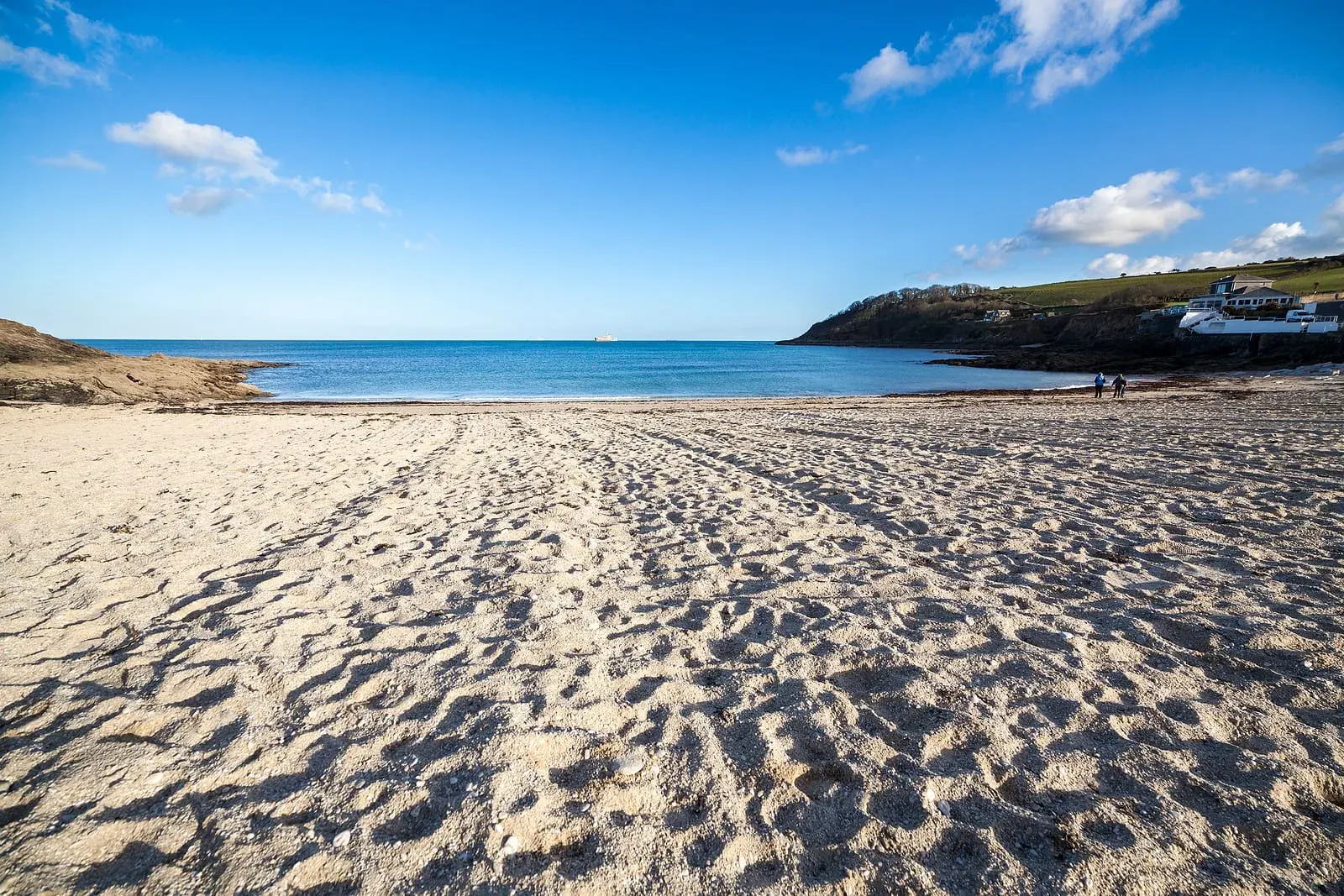
Comments
No comments yet — be the first to share your thoughts.
Leave a comment
Your email won’t be published. Comments are checked before they appear.