

35 articles
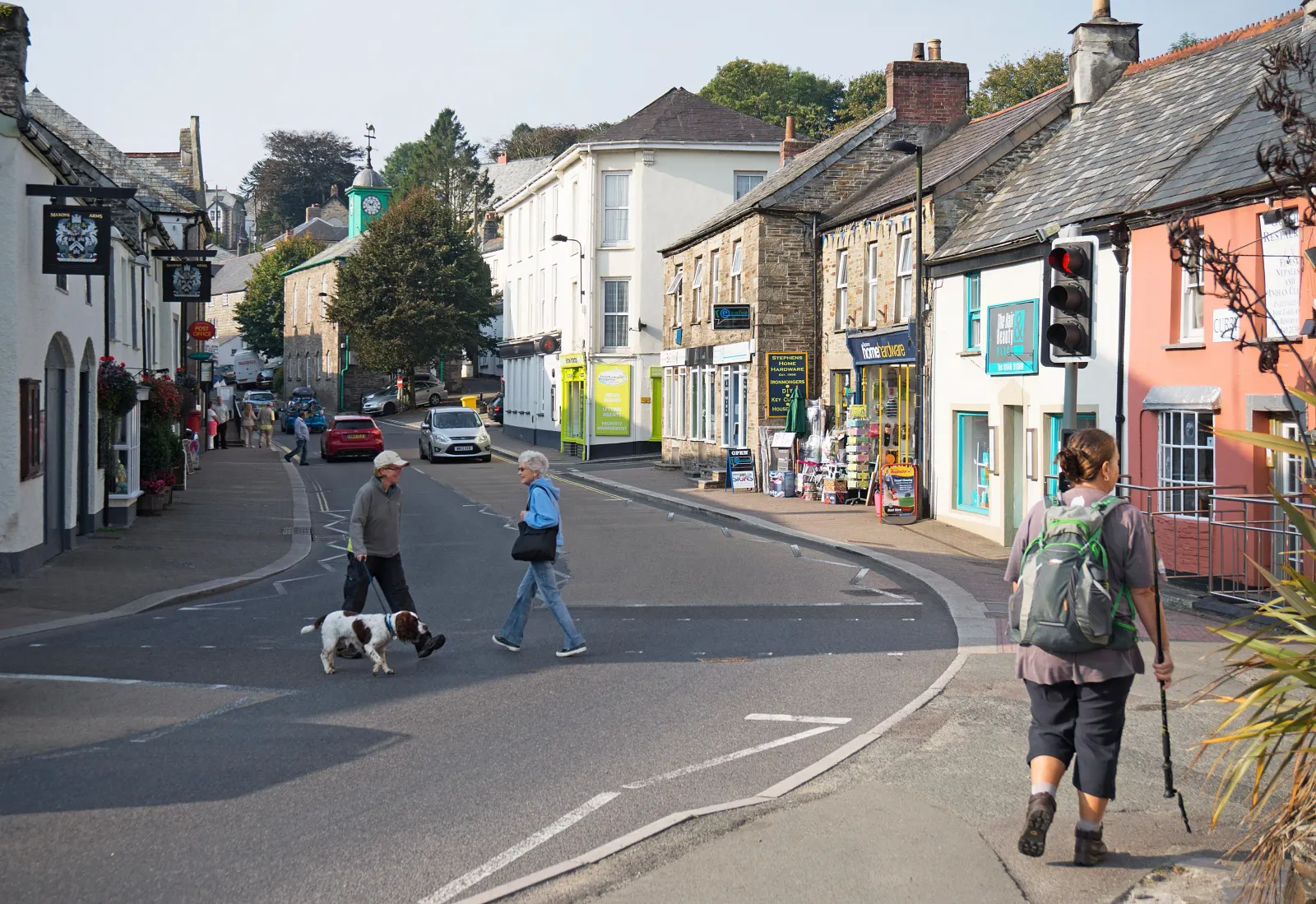
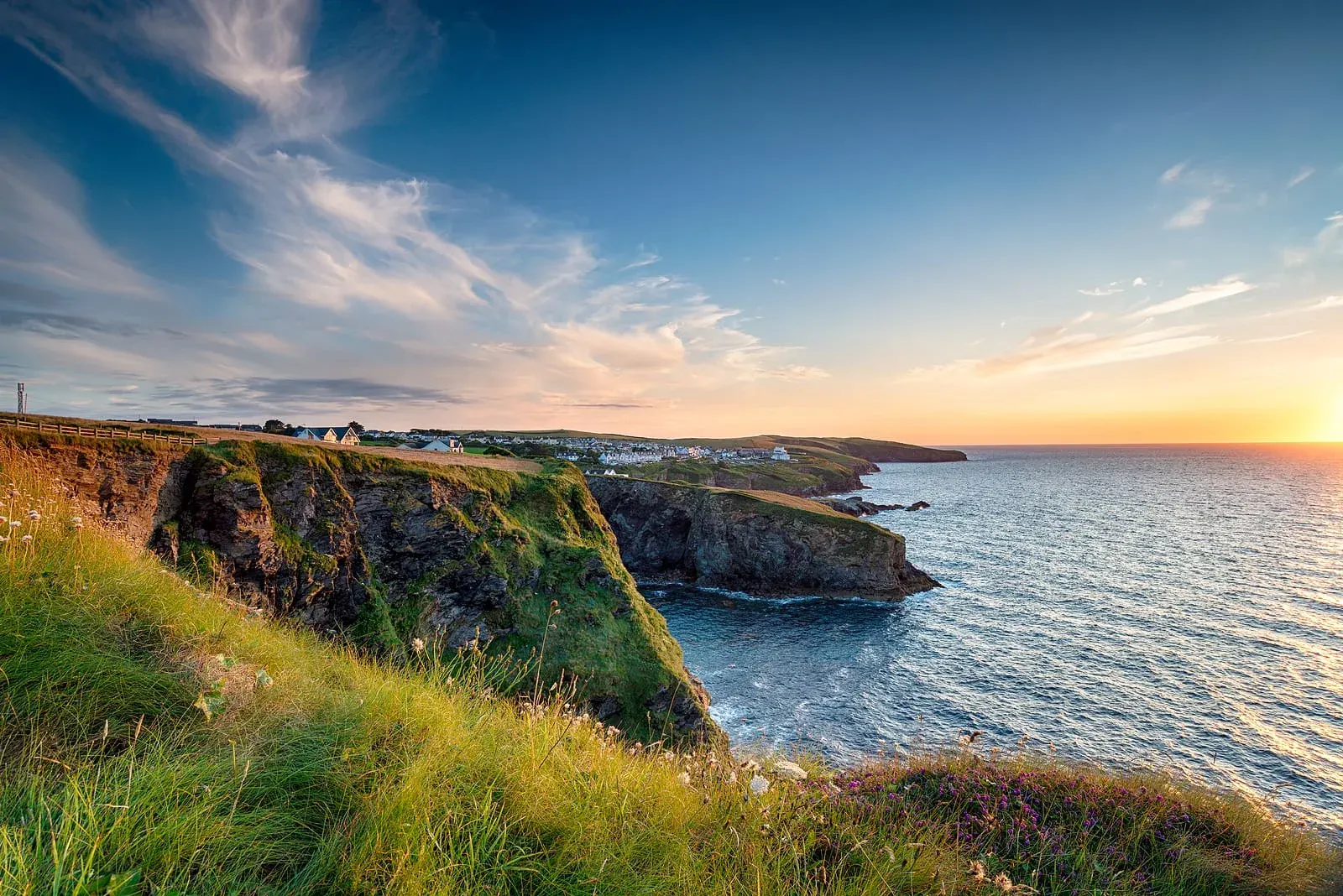
You could drive straight through Camelford and barely notice it, but that would be a shame because this small town in north Cornwall, set just beside Bodmin Moor, has a quiet sort of charm that takes a little time to show itself. It’s not loud. It doesn’t shout. But if you stop for a wander through the town centre, maybe grab a coffee or follow the River Camel upstream, you’ll start to see why people love it here so much. There’s history in the stone, legends in the hills, and a genuine sense of place that’s hard to find elsewhere. Close to Tintagel, not far from Bude, and surrounded by coast and countryside, Camelford’s the kind of spot that grows on you, especially if you like your Cornwall a little less polished and a lot more real.
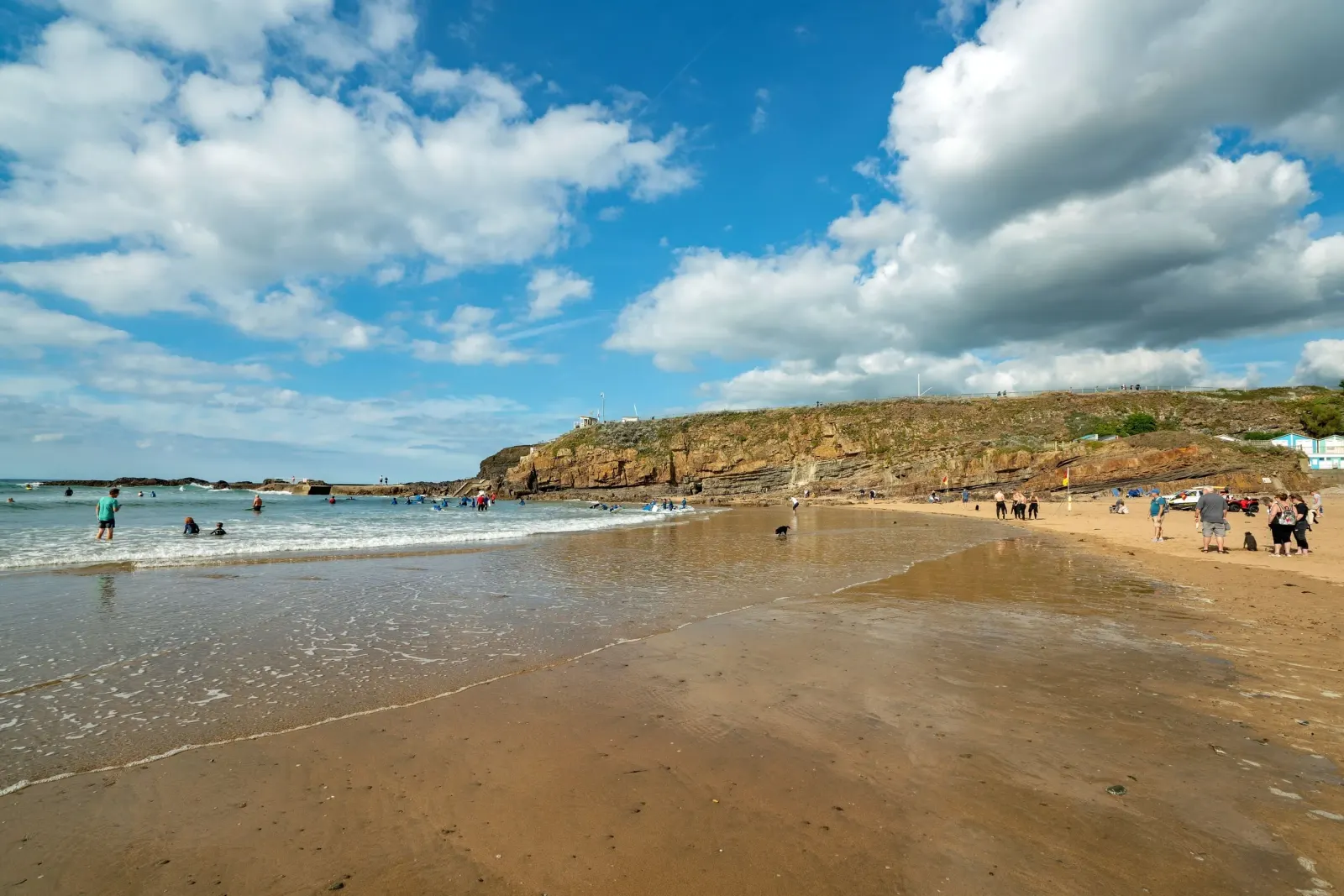
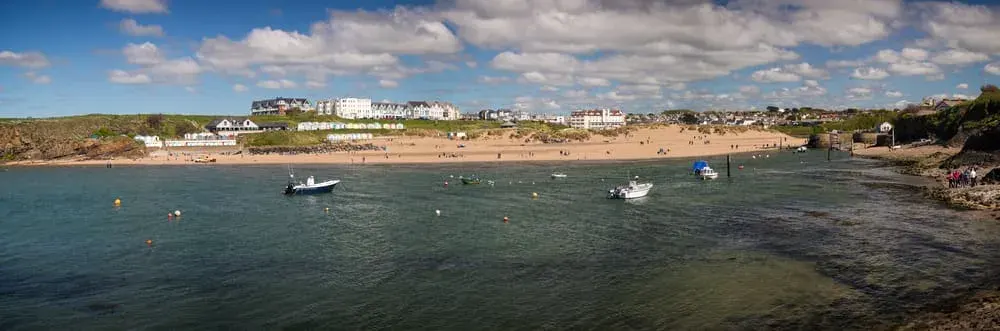
Camelford images
Things to See and Do in Camelford
Camelford isn’t a place that overwhelms you with options the moment you arrive, and that’s part of its appeal. What it offers instead is a slower, steadier kind of experience, and you’ll find peaceful walks on Bodmin Moor, links to old legends like King Arthur, and easy access to some of north Cornwall’s most beautiful spots all in one place. From moorland hikes and quiet riverside trails to fascinating museums or cafés, there’s a mix of things to do that will suit everyone perfectly.
Historical Attractions
Camelford doesn’t shout about its past – but it doesn’t need to. This is a town where history lingers quietly in the corners: in slate walls, old street names, and across the windswept fields just beyond the edge of the high street. From Arthurian legends to long-serving civic buildings, it’s the kind of place where stories surface slowly, if you know where to look.
Slaughter Bridge: A short walk north of the town brings you to Slaughter Bridge, a site that’s long been linked to the legend of King Arthur. Some believe this was the scene of his final battle; others say it’s pure myth. Either way, it’s an atmospheric spot with real historic weight. The Arthurian Centre next door adds depth with walking trails, artefacts, and the sixth-century inscribed stone that keeps the debate alive.1
Camelford Town Hall: Sitting in the middle of the Market Place, the Town Hall is easy to miss if you’re not looking for it, but worth pausing for. Built in 1806 from local slate, it’s done a bit of everything over the years: courtroom, jail, schoolhouse. Now, it’s a hub for exhibitions and community events, quietly anchoring the town’s civic life.2
Lanteglos-by-Camelford Church: About a mile east of town, this 14th-century church offers a glimpse into medieval Camelford. Carved bench ends, connections to the Robartes family, and a peaceful setting make it an evocative stop for those walking through the local area.
Davidstow Airfield and Cornwall at War Museum: A short drive from Camelford, Davidstow Airfield is home to the Cornwall at War Museum – a compelling, volunteer-run site filled with wartime vehicles, equipment, and stories. Set in a former RAF base, it’s as informative as it is quietly moving.3
Old Moorland Crosses and Stone Circles: Bodmin Moor’s upper edges hide some of the region’s oldest landmarks. Around Roughtor and Brown Willy, you’ll come across Bronze Age remains, boundary stones, and ancient granite crosses – many unmarked, all quietly enduring.
Tintagel Castle: Though a short drive away, Tintagel Castle’s presence looms large in local identity. Dramatically perched on the cliffs, it’s long been associated with Arthurian legend, and Camelford is often cited as a possible site of the original Camelot.4
Family Activities
You won’t find rollercoasters or big-name attractions in Camelford, but that’s really part of the charm because it’s the sort of place that gives families room to roam, fresh air to breathe, and enough to do without the stress of queues and crowds. You can spend a morning out on the moor, a quiet hour exploring the town centre, or just let the kids chase each other through the grass while you enjoy the peace.
The Arthurian Centre: Ideal for curious children, the Arthurian Centre near Slaughter Bridge offers a mix of myth, archaeology, and moorland paths. There’s a small but engaging exhibition on King Arthur, a historic inscribed stone in the nearby field, and the chance to walk through the very landscape tied to the legends.5
Roughtor and Brown Willy Walks: If your family want a real adventure, the walk up Roughtor and on to Brown Willy (Cornwall’s highest point) is a good choice. The route is uneven in places and definitely not buggy-friendly, but older kids will love the wildness of it. Pack snacks, wear boots, and prepare for amazing views.6
Trebarwith Strand: A 20-minute drive from Camelford gets you to Trebarwith Strand, a gorgeous family-friendly beach on the north coast. At low tide there’s loads of sand, caves to explore, and rock pools to poke around in, and to make things easier, there’s a car park up the hill and a pub overlooking the beach for a picnic. Just be mindful of the tides – the sea comes in fast here.7
Camelford Park and Skate Ramp: Right in the town of Camelford, there’s a green space with a small playground, outdoor gym equipment, and a popular skate ramp – good for letting off steam without having to head too far. The Camelford Town Council often puts on community events here during the summer.8
St Nectan’s Glen: Not far from Boscastle, this woodland trail and waterfall walk feels almost magical. Follow the river through the woods, past mossy rocks and birdsong, until you reach the waterfall itself, where water rushes through a hole in the rock. It’s a bit of a hidden gem and especially fun for children who enjoy a bit of a fairy-tale feel. It’s not free, but the experience is worth it.9
Outdoor Activities
One of the best things about staying in or near Camelford is how quickly you can get into the great outdoors, and whether it’s a wild, windy stretch of moorland or a quiet riverside path, you don’t need to go far to feel like you’ve escaped because the landscape around this part of north Cornwall is open, rugged, and surprisingly varied.
Enfield Park and the River Camel Walk: Right in the heart of the town of Camelford, Enfield Park is a lovely spot for a gentle stroll, with riverside paths that follow the River Camel as it winds out towards the moor.10
Crowdy Reservoir: If you want something a bit more remote, Crowdy Reservoir sits on the edge of Bodmin Moor, not far from Davidstow. It’s a great place for birdwatching – with everything from Canada geese to snipe and herons – and there’s a bracing walk along the water’s edge. Parking is free and it’s usually quiet, even in summer.11
Delabole Quarry Nature Trail: Not far from Camelford, Delabole is home to the oldest working slate quarry in England, and while it’s still active, there’s also a circular nature trail that skirts the edge. It’s a fascinating mix of industrial history and natural beauty, with views over the massive quarry pit and information boards explaining what you’re looking at. You’ll also find wildflowers, birds, and, on a clear day, long views out towards Port Isaac and the coast.12
The Saints’ Way (Section near Lanteglos): This ancient pilgrimage route stretches from Padstow to Fowey, and a section passes close to Lanteglos and Camelford, and walking it is a brilliant way to connect with the landscape, especially if you’re into long-distance paths or just fancy a quiet ramble through fields, woodland, and tucked-away lanes.13
Stannon Moor and Stone Circles: Stannon Moor offers a rugged, open space to walk with the bonus of seeing one of Cornwall’s more remote stone circles. It’s about 15 minutes from Camelford and best tackled in decent weather with proper footwear – the ground can be boggy. But the feeling of standing alone among ancient stones in that wide, empty landscape is hard to beat.14
Food And Drink
In Camelford, the food and drink scene is an honest one – there aren’t dozens of places to choose from, but the ones that are here have real roots; you’ll find cafés that serve as meeting spots for locals, and pubs that have been doing good meals for years with decent food, made nearby, and a slower pace that suits the surroundings.
Cafés and Coffee Houses
Hilltop Farm Shop & Café: Just outside Camelford on the main road towards Delabole, Hilltop is a popular stop for both locals and visitors, and it’s no wonder when you see that it serves up hearty breakfasts, homemade cakes, and fresh lunches made with produce from the surrounding farms. There’s outdoor seating with views over the local area, and a little farm shop where you can pick up jams, chutneys, and veg for later.15
Camels Café: Small, cheerful, and tucked away just off the market place, Camels Café is ideal if you’re looking for a good cup of tea and simple food. It’s popular with locals for a reason – friendly staff, simple food, and good prices.16
The Indian King Arts Café: Part coffee lounge, part creative space, this slightly hidden gem near the town hall hosts exhibitions and small events alongside its coffee and cake. It’s a quieter spot, and a nice one if you’re after a break while soaking up some of the artistic energy the town of Camelford is trying to cultivate.17
Pubs
Camelford isn’t overflowing with pubs, but the ones it does have are full of local flavour, from riverside beer gardens to themed family spots with a nod to Arthurian legend, and there’s a small but solid line-up in and around town.
The Masons Arms: You’ll find this pub right in the town centre, and it’s a a staple locally. The Masons Arms is an 18th-century pub tied to St Austell Brewery, with a cosy bar, restaurant area, and a beer garden that backs onto the River Camel. Food-wise, it’s everything you’d expect from a traditional Cornish pub, including things like homemade pies, fish and chips, and vegetarian options too.18
The Knights of the Round Table Pub: If want something a bit more themed, this family-friendly spot leans right into the King Arthur mythology. It’s just a short walk from the main road, with a big dining space, a kids’ play area, and an eclectic menu that includes pub classics alongside Asian dishes and vegan-friendly options.19
The Wilsey Down: Just outside town in Hallworthy, The Wilsey Down Hotel is worth the short drive. It’s got a slightly rural feel with good portions, friendly service, and delicious food. It’s also a local go-to for Sunday lunch, and the portions won’t leave you hungry. You’ll often find a mix of locals and visitors here, especially in the evenings.20
Breweries and Distilleries
Camelford might not be the first place that springs to mind for craft drinks, but it’s actually surrounded by some of Cornwall’s most interesting small-batch producers, so from inventive gins to moorland ales, there’s plenty to explore.
Wrecking Coast Distillery: Based right in Camelford, Wrecking Coast is a small but ambitious distillery that’s made a name for itself with its Clotted Cream Gin, a nod to Cornwall’s dairy heritage. They also produce a range of spirits including rum, rye whisky, and fruit-infused gins, all crafted with local ingredients and spring water. While they don’t offer public tours, their products are available online and in select local retailers.21
Tintagel Brewery: Just a few miles north in Tintagel, this famous brewery is where they brew a range of beers, from pale ales to porters. On top of that, they’ve got an on-site bar and bistro where you can sample the goods alongside locally sourced food.22
Camel Valley Vineyard: A bit further afield near Bodmin, Camel Valley Vineyard has been producing excellent wines since 1989. Set on sun-drenched slopes overlooking the River Camel, they offer tours and tastings where you can enjoy their sparkling and still wines.23
Farm Shops
There’s something about browsing a farm shop that’s so enjoyable, and it could be the smell of fresh bread, the shelves full of Cornish chutneys, or the view from the café window… The great thing is that around Camelford, you’ll find a few hidden gems to really make the most of.
Hilltop Farm Shop & Café: Just a couple of minutes’ drive from the town of Camelford, Hilltop is a lovely stop whether you’re shopping or feeling drinking coffee with a view, and the shelves are packed with seasonal fruit and veg, home-baked treats, Cornish cheeses, and local preserves.24
Boscastle Farm Shop: Set on a clifftop just outside Boscastle, this place manages to be a working farm, a shop, and a brilliant café all rolled into one. It’s a bit of a drive from Camelford, but worth it for the view alone. Inside, you’ll find local meat, pies, chutneys, and gifts, all sourced from the local area, and it’s worth finding a seat outside because the sea views are stunning.25
Trevathan Farm Shop: A little further afield near Port Isaac, Trevathan is ideal if you’re looking for family-friendly. Alongside a shop full of jams, homegrown vegetables, and baked goods, there’s a pick-your-own fruit field in summer and a small play area to keep little ones happy while you browse.26
Places to Stay in Camelford
If you’re looking for a full-service hotel with rooftop bars and spa treatments, Camelford probably isn’t your place, but if you like character, countryside charm, and a good night’s sleep after a day exploring Bodmin Moor or the north Cornwall coastline, you’re in luck – this little town and the surrounding area have plenty of welcoming options.
Expedia.com:
Expedia makes it easy to browse a wide range of stays in and around Camelford, from cosy inns to rural cottages and countryside lodges. Handy filters let you sort by price, parking, or location, and it’s especially useful for flexible or last-minute bookings thanks to free cancellation options. Reviews from past guests also help you get a clear idea of what to expect. Check availability and best prices.
Best Value Hotels:
Enjoy a great balance of comfort, location, and value with Camelford’s top-rated mid-range hotels—ideal for exploring North Cornwall’s countryside, coast, and nearby attractions. Check latest deals & availability.
Boutique & Character Stays:
Discover unique places to stay in Camelford, from traditional inns to cosy countryside retreats full of Cornish charm. Check latest deals & availability.
Dog-Friendly Places to Stay:
Travelling with your dog? Many Camelford properties are pet-friendly, with easy access to scenic countryside walks, moorland trails, and nearby coastal paths. Check latest deals & availability.
Self-Catering & Cottages:
Perfect for longer stays or extra flexibility, choose from Camelford’s range of rural cottages, peaceful lodges, and comfortable holiday homes in the surrounding countryside. Check latest deals & availability.
Featured Camelford Hotels & Accommodation
The Countryman Hotel:
Right on the edge of Camelford town centre, The Countryman is the kind of place where you’re offered tea as you check in and asked how your day was when you come back from dinner. Rooms are traditional and comfortable, and the location’s ideal if you want to be close to the shops or the River Camel trail. Check latest deals & availability.
Chandler’s Lodge:
Tucked away on Clease Road, Chandler’s Lodge is modern but still feels personal. It’s got a fresh, clean feel, does a brilliant cooked breakfast, and it’s a great option if you want to stay somewhere that’s easy to get to but doesn’t feel like just another. Check latest deals & availability.
Melorne Farm Guest House:
Just a couple of minutes outside town, Melorne Farm feels a bit like you’ve stepped into someone’s well-kept country home. It’s peaceful, surrounded by green fields, and the owners are friendly without being overbearing – just what you want after a day out at Tintagel or Roughtor. Check latest deals & availability.
History of Camelford
Prehistoric and Early Settlements
If you go walking up around Roughtor or Brown Willy, the two highest points on Bodmin Moor, you’ll spot more than just wild ponies and dramatic skies. Look a little closer and you’ll see the remains of Bronze Age hut circles, stone enclosures and ancient field systems – reminders that this part of north Cornwall has been settled for thousands of years. These high moorlands weren’t just desolate spaces; they were once thriving with prehistoric life. The nearby stone circle at Fernacre adds weight to the idea that the land around Camelford was ritually and practically significant long before anyone called it a town.
Arthurian Connections
There’s no escaping the King Arthur stories around here – not when Slaughterbridge sits just north of town. It’s where some believe Arthur fought his final battle at Camlann, and the weathered, inscribed stone nearby is often claimed to be Arthur’s grave.27 No one can say for sure, but it’s part of what gives the town of Camelford that mystical quality – it’s rooted in real history, but wrapped up in the kind of legend that keeps tourists coming back. The nearby Arthurian Centre taps into this interest with exhibitions and gardens designed to explore the myth and its connection to the local area.
Medieval Charter and Market Town
Camelford came into its own in 1259, when Richard, Earl of Cornwall (and brother to King Henry III), granted the town its charter. That gave Camelford the right to hold weekly markets and annual fairs, which was hugely important in the 13th century.28 The town became a vital trading post for wool, livestock, and tin, all funnelled through what was then a busy main road between Launceston, Bude, and Padstow. Much of that medieval street layout is still reflected in the town centre today.
Religious Life and Lanteglos
While Camelford didn’t have its own parish church until much later, it was closely tied to Lanteglos, a nearby hamlet whose church, St Julitta’s, served the town for centuries. In fact, many residents walked the mile or so to worship there until Camelford’s Town Hall incorporated a chapel of ease in the 20th century. That walk along the River Camel, still scenic today, used to be part of people’s regular routine, and some even connected it to the ancient Saints’ Way, a pilgrim path stretching from coast to coast across Cornwall.
The Rotten Borough Years
By the 16th century, Camelford had made a name for itself in politics, though not entirely for the right reasons. It gained the right to send two MPs to Westminster in 1552, but by the 18th century, it was one of Britain’s notorious ‘rotten boroughs’, with just a handful of voters, many of whom were bribed for their loyalty.29 It all came to an end in 1832 with the Great Reform Act, but the legacy of this odd political moment still lingers in local lore.
19th Century: Education and Infrastructure
The Victorian era brought more than just steam trains – it brought change. The founding of Sir James Smith’s School in 1679 laid the groundwork for a more educated local population, and by the 1800s, Camelford had its own grammar school, post office, and commercial centre. While the railway never quite reached Camelford itself, nearby Delabole was better connected, and many relied on the station there until the line closed in the 1960s.30
The 1988 Water Contamination
One of the darkest moments in Camelford’s recent past came in July 1988, when a delivery error at Lowermoor Water Treatment Works led to 20 tonnes of aluminium sulphate being dumped into the town’s drinking supply. It affected thousands of residents and tourists, and the long-term health effects are still debated.31 For many locals, it’s a bitter memory that speaks to how rural areas can sometimes be overlooked when it comes to public safety and environmental responsibility.
From 1990s to 2025: Modern Developments and Tourism
Camelford might not have grown at the same pace as towns like Wadebridge or Newquay, but the last few decades have seen real change. The town now serves as a quiet hub for walkers heading onto Bodmin Moor, or those exploring the south west’s wilder coastlines, whether that’s Boscastle, Tintagel, or Trebarwith Strand. Tourism hasn’t transformed the town in the way it has in Port Isaac or St Ives, but it’s definitely brought a new energy – cafés have opened, farm shops have flourished, and the old market place now hosts community events and seasonal markets that draw locals and visitors alike.
Still, it’s a fine balance. While Cornwall Council has invested in regeneration projects,32 there’s an ongoing conversation about housing, affordability, and the impact of second homes. Many here are proud that Camelford remains a lived-in town rather than a postcard version of Cornwall.
Modern Developments
Camelford might look like a quiet little market town on the surface, but there’s been a fair bit going on lately, including ambitious regeneration schemes, better ideas for housing and plans for improved transport; the town is working hard to update its infrastructure without losing what makes it special.
A Town Centre Getting a New Lease of Life
Let’s start with the town centre. Thanks to support from the UK Shared Prosperity Fund, Camelford is seeing investment aimed at bringing a bit more buzz back to the high street. One of the standout projects has been the transformation of the Old Cattle Market (OCM) site. What was once a pretty underused space is now a multi-use community area complete with a skate park, pump track, parkour setup and even a little gym – something for everyone, really.
There’s also been funding set aside for the regeneration of Camelford Hall, which is being shaped into a new community hub with better accessibility and updated facilities.33 These are changes that actually mean something for locals – more places to gather, exercise, or just enjoy the town a bit more.
Homes That Fit the Town
Like much of north Cornwall, Camelford has had to tackle the challenge of providing homes for a growing population. A development of 39 homes has been approved at Tregoodwell, designed to reflect the area’s character and offer more choice for local families.34 It’s a development that hopes to strike the right balance – building what’s needed without changing the feel of the town too much.
Tackling the Traffic
If you’ve ever driven through Camelford on the A39, you’ll know the traffic can be a bit of a headache, especially in summer. That’s why there’s a lot of interest in the proposed Camelford Bypass, part of the Atlantic Highway improvement plan. The idea is to reduce congestion, improve air quality, and give the town centre a bit of breathing space.35 It’s still in the planning stages, but there’s plenty of support for the idea, especially from those living along the main road.
Upgrades for Leisure and Community Life
Regeneration here isn’t just about roads and buildings – it’s also about people. The Camelford and District Bowling Club recently received approval to extend its clubhouse, which might not sound exciting until you realise how important places like this are in rural communities – it’s where people meet, chat, and get a sense of belonging.36
On top of that, over £100,000 from the Community Levelling Up Programme has gone towards improving everything from the leisure centre to the old bank building – projects that help the town stay functional, inclusive, and proud of itself.37
Looking to the Future
There’s also talk of extending the Camel Trail into Camelford – a move that could give the town a big boost. Not only would it connect Camelford more easily with Wadebridge and Padstow, it would also offer a scenic, car-free route for walkers and cyclists, bringing new footfall to local cafés, shops, and pubs38.
And while Camelford doesn’t rely on tourism quite like the bigger coastal spots, these kinds of thoughtful, low-impact developments could help it benefit from passing visitors without losing its quieter charm. It’s still very much a working town – but one that’s quietly reinventing itself for the future.
Key Buildings in Camelford
You don’t have to go far in Camelford to spot the past etched into the town itself, and from centuries-old churches to coaching inns with a tale or two behind their doors, the buildings here are part of the town’s living memory.
- Camelford Town Hall: Right in the heart of the town centre, the Town Hall is hard to miss – not least because of the camel-shaped weathervane sitting proudly on top. Originally built in 1806, it’s a neat example of neoclassical design, with its clean lines, round-headed windows and balanced symmetry. Over the years, it’s been everything from a courthouse to a library and now serves as a community space managed by Camelford Town Council.39
- St Julitta’s Church, Lanteglos: Just outside the town of Camelford, in nearby Lanteglos, you’ll find St Julitta’s Church – a peaceful, granite-built structure dating back to the 12th century. It’s got a bit of everything: a 14th-century tower, carved bench ends from the 15th century, and even a 10th-century inscribed stone tucked away inside.40
- Manor Farm: On the edge of the town centre, Manor Farm is a striking remnant of the late 16th or early 17th century, made from local stone rubble with granite quoins and a steep slate roof. The building is now a private residence, but the old barn, garden wall and sturdy gate piers are still visible, offering a glimpse of rural Cornish life from centuries past.41
- The Masons Arms: The Masons Arms, a Grade II listed pub, is a favourite with locals – and not just for the pints. Dating back to around 1600, it started life as a coaching inn and still retains much of its character, including original stonework and timber beams. It’s a real part of Camelford’s social history, having welcomed travellers long before the days of the A39.42
- Camelford Methodist Church: Built in 1837, the Methodist Church is a classic example of 19th-century religious architecture in Cornwall. It’s plain on the outside, built in local stone with granite dressings, but the inside has evolved – especially following some modern updates in the 1980s. It’s still active today, with services, concerts, and community events taking place regularly.43
- Warmington House: Once home to Sir James Smith, founder of the Linnean Society, Warmington House is a fine Georgian residence with a symmetrical façade and sash windows. It reflects Camelford’s former role as a Parliamentary borough and hints at a time when the town had more influence than its size might suggest.44
Famous People from Camelford
Camelford might be a small town nestled in north Cornwall, but it’s certainly punched above its weight when it comes to notable names. From political figures to poets, a few familiar names have passed through – or come from – this quiet corner of the south west.
- Charles Valentine Le Grice (1773–1858): Poet, clergyman, and long time resident of Trereife House, Charles Valentine Le Grice spent his later years in Camelford as the town’s rector of St Julitta’s Church in nearby Lanteglos. A friend of Samuel Taylor Coleridge, he was part of the same literary circle and is often remembered for his wit and intelligence. He’s buried in the churchyard, and his name still crops up in local histories.45
- Thomas Pitt (1653–1726): Known as ‘Diamond’ Pitt (and great-grandfather of William Pitt the Elder), Thomas Pitt bought the borough of Camelford in the early 18th century to secure seats in Parliament for members of his family. Camelford was a ‘rotten borough’, a term used for constituencies with very few voters but an outsized influence in Westminster, and Pitt’s involvement shaped the town’s role in national politics for decades.46
Education in Camelford
For a small town tucked into north Cornwall, Camelford offers more than you might expect when it comes to education. It’s not packed with options, but what’s here works – and it works well, and the schools in and around the area are known for being welcoming, community-focused, and genuinely invested in their pupils.
Primary School
Camelford Primary School sits just off the main road and has been a cornerstone of the town for years – it’s the kind of place where staff greet children by name and muddy wellies are part of the daily routine. Plus Forest School is a big part of the week, and they often head out to explore nearby places like Bodmin Moor or visit the Arthurian Centre to link learning with local history. The school is part of the North Cornwall Learning Trust and draws pupils from across the local area, including Delabole and Lanteglos.49
Secondary Education
Older kids go on to Sir James Smith’s School, just a short walk from the town centre. It’s a relatively small secondary, which makes it feel personal, and it serves a broad rural catchment that includes Tintagel, Boscastle, and even parts of Wadebridge. The school doesn’t have a sixth form, but lots of students head off to Truro and Penwith College or Bodmin College after Year 11 to continue with A-levels or vocational courses. The school’s careers programme is well regarded, with strong links to local businesses and a real effort to help students think ahead.50
Adult Learning
And it’s not just about school-age education – if you’re looking to try something new, whether it’s business admin, digital skills, or just brushing up on a hobby, Cornwall Council runs regular adult learning sessions in the Camelford area, usually held at the library or community spaces.51
Demographics of Camelford
Camelford’s not a big town – just under 2,500 people live here, according to the most recent census – but it has the kind of community that feels a lot bigger. The 2021 Census recorded a population of 2,429 in the Camelford parish area,52 and while the number might seem modest, the town punches above its weight when it comes to local spirit. You’ll find a mix of ages, with plenty of older residents who’ve lived in the local area for decades, often with deep family ties to the surrounding farmland and moorland. Alongside them are younger families drawn to the fresh air, slower pace, and the fact that house prices here remain more accessible than in hotspots like Padstow, where demand from second-home buyers can drive prices far higher.53
As with many towns in north Cornwall, the population here tends to skew slightly older than the national average. In the wider Camelford and Boscastle electoral division, 29.4% of residents were aged 65 or over in 2021 – higher than the England average of 18.6%.54 But that’s been slowly shifting. The rise of remote work and stronger broadband infrastructure – helped along by the rollout of fibre and superfast internet through the Superfast Cornwall project – has made it more realistic for professionals to live rurally while working for companies based in places like Truro, Exeter, or even London.55 Anecdotally, estate agents and local planners have seen a small but steady influx of working-age adults, often with young children in tow, relocating for lifestyle reasons without fully detaching from urban employment.
Tourism plays a part, too. More second homes and holiday lets have popped up in recent years, particularly as Camelford’s location makes it a convenient base for exploring both the coast and Bodmin Moor. According to Cornwall Council data, approximately 1 in 20 homes in the wider area are classified as second homes, a number that rises significantly in surrounding parishes. While this has brought more visitors – and more seasonal income for local businesses – it’s also pushed up property prices and reduced availability of long-term rental housing. For younger locals or lower-income families, that’s made getting on the housing ladder more difficult. It’s a challenge that Cornwall Council continues to address through targeted local planning strategies, affordable housing schemes, and community-led development projects aimed at balancing economic growth with the needs of permanent residents.56
Crime in Camelford
Camelford tends to feel like one of those places where things stay fairly quiet, and that’s largely backed up by the numbers. It’s not completely crime-free (nowhere is), but for a small Cornish town, the stats are reassuring, and in the twelve months to February 2025, Camelford and the immediate local area reported around 45 crimes per 1,000 residents – a figure that’s comfortably lower than the national average.57
The most common issues tend to be fairly minor, like antisocial behaviour and the odd public order offence, which often happen during the summer when visitor numbers spike, and you’ll also see reports of things like low-level theft and occasional vandalism, but violent crime is rare, and there’s not much in the way of drug offences or burglary.
Camelford comes under the Devon and Cornwall Police force area, which consistently ranks as one of the safest in the country. The local team here has a good reputation for being visible and involved – they’ve responded to speeding concerns along the main road, helped with community safety events, and often pop up at local meetings[61].
Transport in Camelford
Buses: The easiest way to get in and out of town without a car is by bus, and services are run by Transport for Cornwall; they cover a fair bit of north Cornwall. The 95 bus is the main one, connecting Camelford with Bude, Boscastle, Tintagel, and Newquay, with plenty of stops along the coast.58 There’s also the 96 and 55 services that run through to Delabole, Port Isaac, and Bodmin, so you’re not short on options. They’re usually on time and well used by both locals and visitors, just bear in mind the timetables can vary in winter.
Roads and Driving: Camelford sits right on the A39, known locally as the Atlantic Highway, which runs all the way along the north coast, connecting the town to Wadebridge, Launceston, and the Devon border. It’s handy, but it can get clogged up in the summer, and the narrow bits through the town of Camelford are a sore point for many locals.59 There’s a push to create a bypass, but that’s been in the pipeline for years.
As for parking, there’s a decent car park in the marketplace, and a few other smaller ones dotted around the local area. They’re well signposted and rarely full unless it’s a school holiday.
Trains and Rail Links: There’s no train station in Camelford, but if you’re keen to travel by rail, your best bet is to head to Bodmin Parkway or Liskeard. Both are around a 30–40-minute drive, and from there, you can get to Truro, Plymouth, Exeter, or even further afield. You can catch connecting buses to those stations from town, though most people tend to drive or book a taxi if they’re travelling with luggage.60
Walking and Cycling: Camelford’s a good place for stretching your legs, whether you’re off on a hike up Brown Willy and Roughtor, or following parts of the South West Coast Path from nearby Trebarwith Strand. The River Camel flows right through town, and there are some gentle riverside walks, plus a few more challenging moorland trails just beyond the edge of the surrounding area.
Is Camelford Worth Visiting?
Yes, it’s worth it, just don’t come expecting theme parks or big seaside crowds. Camelford’s small, and a bit quiet, but that’s kind of why people like it; it still feels like a real town, not one that’s been taken over by gift shops and ice cream stands. And the location’s brilliant – right by Bodmin Moor, close to places like Tintagel and Boscastle, but without the queues or the parking problems. If you’re into walking, moody landscapes, or chasing a few King Arthur legends, it’s exactly the kind of spot you want to visit.
Article Sources
- Arthurian Centre (2024) Slaughterbridge and King Arthur. Available at: https://www.arthuriancentre.org.uk Arthurian Centre[↩]
- Camelford Town Council (2023) Town Hall History. Available at: https://www.camelford-tc.gov.uk Camelford Town Council[↩]
- Cornwall at War Museum (2025) About Us. Available at: https://www.cornwallatwarmuseum.co.uk Cornwall at War Museum[↩]
- English Heritage (2025) Tintagel Castle. Available at: https://www.english-heritage.org.uk English Heritage[↩]
- Arthurian Centre (2024) Visiting with Children. Available at: https://www.arthuriancentre.org.uk Arthurian Centre[↩]
- Visit Cornwall (2025) Family Days Out in North Cornwall. Available at: https://www.visitcornwall.com Visit Cornwall[↩]
- Cornwall Beaches (2025) Trebarwith Strand Beach Guide. Available at: https://www.cornwall-beaches.co.uk Cornwall Beaches [↩]
- Camelford Town Council (2023) Parks and Public Spaces. Available at: https://www.camelford-tc.gov.uk Camelford Town Council[↩]
- St Nectan’s Glen (2025) Visit Us. Available at: https://www.st-nectansglen.co.uk St Nectan’s Glen [↩]
- Camelford Town Council (2023) Enfield Park. Available at: https://www.camelford-tc.gov.uk Camelford Town Council[↩]
- South West Lakes Trust (2025) Crowdy Reservoir. Available at: https://www.swlakestrust.org.uk South West Lakes Trust[↩]
- Delabole Slate Company (2025) Delabole Slate Quarry History. Available at: https://www.delaboleslate.co.uk Delabole Slate Company[↩]
- Long Distance Walkers Association (2025) The Saints’ Way. Available at: https://ldwa.org.uk Long Distance Walkers Association[↩]
- Historic Cornwall (2025) Stannon Moor and the Stone Circles of Bodmin Moor. Available at: https://www.cornwall.gov.uk Historic Cornwall[↩]
- Hilltop Farm Shop (2024) Hilltop Farm Shop and Café. Available at: https://www.hilltopfarmshop.co.uk/ Hilltop Farm Shop[↩]
- Tripadvisor (2024) Camels Café – Camelford. Available at: https://www.tripadvisor.co.uk/Restaurant_Review-g528830-d26794875-Reviews-Camels_Cafe-Camelford_Cornwall_England.html Tripadvisor[↩]
- Indian King Arts Café (2024) Indian King Arts Centre. Available at: https://www.indiankingarts.org.uk Indian King Arts Café[↩]
- Visit Camelford (2024) The Masons Arms. Available at: https://www.visitcamelford.co.uk/discover/the-mason-arms/ Visit Camelford[↩]
- The Knights of the Round Table Pub (2024) The Knights of the Round Table Pub. Available at: https://www.theknightsoftheroundtablepub.co.uk/ The Knights of the Round Table Pub[↩]
- Restaurantji (2024) The Wilsey Down, Camelford. Available at: https://www.restaurantji.co.uk/cornwall/camelford/the-wilsey-down- Restaurantji[↩]
- Wrecking Coast Distillery (2025) Wrecking Coast Distillery. Available at: https://wreckingcoast.com/ Wrecking Coast Distillery[↩]
- Tintagel Brewery (2025) Tintagel Brewery & Local Pub Tour. Available at: https://cornwall.camra.org.uk/viewnode.php?id=57968 Tintagel Brewery[↩]
- Camel Valley (2025) Camel Valley Vineyard. Available at: https://www.camelvalley.com/ Camel Valley[↩]
- Hilltop Farm Shop (2025) Hilltop Farm Shop and Café. Available at: https://hilltopfarmshop.co.uk/ Hilltop Farm Shop[↩]
- Boscastle Farm Shop (2025) Boscastle Farm Shop. Available at: https://www.boscastlefarmshop.co.uk/ Boscastle Farm Shop[↩]
- Trevathan Farm Shop (2025) Trevathan Farm. Available at: https://trevathanfarm.com/ Trevathan Farm Shop[↩]
- English Heritage (2023) The Arthur Stone, Slaughterbridge. Available at: https://www.english-heritage.org.uk English Heritage[↩]
- Ertach Kernow (2022) A History of Camelford. Available at: https://www.cornwallheritage.com Ertach Kernow[↩]
- UK Parliament (2022) The Rotten Boroughs and the 1832 Reform Act. Available at: https://www.parliament.uk/rotten-boroughs UK Parliament[↩]
- BBC Cornwall (2018) The Camelford Water Disaster. Available at: https://www.bbc.co.uk/news/uk-england-cornwall-44549781 BBC Cornwall[↩]
- Guardian (2023) What Really Happened in Camelford? Available at: https://www.theguardian.com/environment/2023/camelford-water-poisoning Guardian[↩]
- Camelford Town Council (2024) Regeneration Projects. Available at: https://www.camelford-tc.gov.uk Camelford Town Council[↩]
- Cornwall Council (2025a) Town Centre Revitalisation Fund breathing new life into communities across Cornwall. Available at: https://www.cornwall.gov.uk/council-news/council-budgets-and-economy/town-centre-revitalisation-fund-breathing-new-life-into-communities-across-cornwall/ Cornwall Council[↩]
- Bell Cornwell (2025) Planning permission for major residential scheme in Camelford. Available at: https://www.bell-cornwell.co.uk/projects/39-dwellings-and-associated-open-space-in-camelford-north-cornwall/ Bell Cornwell[↩]
- Cornwall Council (2025b) A39 Atlantic Highway Camelford Improvement. Available at: https://www.cornwall.gov.uk/transport-parking-and-streets/roads-highways-and-pavements/major-highway-schemes/a39-atlantic-highway-camelford-improvement/ Cornwall Council[↩]
- Holsworthy Today (2025) Cornwall Council approves Camelford club house extension plans. Available at: https://www.holsworthy-today.co.uk/news/planning/cornwall-council-approves-camelford-club-house-extension-plans-789221 Holsworthy Today[↩]
- Camelford Town Council (2024) Draft Minutes for APM 12 March 2024. Available at: https://www.camelford-tc.gov.uk/wp-content/uploads/2024/03/Draft-Minutes-for-APM-12-March-2024.pdf Camelford Town Council[↩]
- Yahoo News (2025) Plans to extend iconic Camel Trail into ‘hardly appealing’ town. Available at: https://uk.news.yahoo.com/plans-extend-iconic-camel-trail-050000411.html Yahoo News[↩]
- Camelford Town Council (2025) Town Hall. Available at: https://www.camelford-tc.gov.uk/services/town-hall/ Camelford Town Council[↩]
- St Julitta’s Church (2025) About. Available at: https://www.lanteglosbycamelfordchurch.com/about St Julitta’s Church[↩]
- British Listed Buildings (2025a) Manor Farm, Camelford. Available at: https://britishlistedbuildings.co.uk/101143562-manor-farm-camelford British Listed Buildings[↩]
- British Listed Buildings (2025b) The Masons Arms, Camelford. Available at: https://britishlistedbuildings.co.uk/101142551-masons-arms-camelford British Listed Buildings[↩]
- Historic England (2025a) Methodist Church, Camelford. Available at: https://historicengland.org.uk/listing/the-list/list-entry/1138307 Historic England[↩]
- Historic England (2025b) Warmington House, Camelford. Available at: https://historicengland.org.uk/listing/the-list/list-entry/1327698 Historic England[↩]
- Oxford Dictionary of National Biography (2025) Le Grice, Charles Valentine. Available at: https://www.oxforddnb.com Oxford Dictionary of National Biography[↩]
- UK Parliament (2025) Rotten Boroughs Explained. Available at: https://www.parliament.uk/about/living-heritage/evolutionofparliament UK Parliament[↩]
- Quiller-Couch, A. (1906) The Oxford Book of Ballads. Oxford: Clarendon Press[↩]
- Historic England (2025) Warmington House, Camelford. Available at: https://historicengland.org.uk/listing/the-list/list-entry/1327698 Historic England[↩]
- Camelford Primary School (2025) Welcome. Available at: https://www.camelford.cornwall.sch.uk Camelford Primary School[↩]
- Sir James Smith’s School (2025) About Us. Available at: https://www.sirjamessmiths.org.uk Sir James Smith’s School[↩]
- Cornwall Council (2025) Adult Education. Available at: https://www.cornwall.gov.uk/education-and-learning/adult-and-community-learning Cornwall Council[↩]
- Office for National Statistics (2023) Camelford Parish population data, 2021 Census. Available at: https://www.ons.gov.uk Office for National Statistics[↩]
- Cornwall Council (no date) Housing Strategy – Cornwall Council, www.cornwall.gov.uk. Available at: https://www.cornwall.gov.uk/housing/housing-strategy Cornwall Council[↩]
- Dowdeswell, A. (2022) Census 2021: Cornwall has ageing population, The Cornish Times. cornish-times.co.uk. Available at: https://www.cornish-times.co.uk/news/census-2021-cornwall-has-ageing-population-552790 Cornish Times[↩]
- Superfast Cornwall – Cornwall Council (2022) Cornwall.gov.uk. Available at: https://www.cornwall.gov.uk/business-trading-and-licences/cornwall-business-development-projects/superfast-cornwall/ Cornwall Council[↩]
- Searle, J. (2025) First-time buyers worry they’ll never get on the property ladder, Falmouth Packet. Available at: https://www.falmouthpacket.co.uk/news/national/uk-today/25180285.first-time-buyers-worry-never-get-property-ladder Falmouth Packet[↩]
- Devon and Cornwall Police (2024) Neighbourhood policing priorities: Camelford and surrounding areas. Available at: https://www.devon-cornwall.police.uk/area/your-area/devon-cornwall/east-cornwall/camelford–tintagel/about-us/top-reported-crimes-in-this-area Devon and Cornwall Police[↩]
- A95 – Bude to Wadebridge via Boscastle, Tintagel and Camelford (2021) Transportforwww.cornwall.co.uk. Available at: https://www.transportforwww.cornwall.co.uk/services/TFCN/95 Transport for Cornwall[↩]
- A39 Atlantic Highway Camelford Improvement – Cornwall Council (2020) Cornwall.gov.uk. Available at: https://www.cornwall.gov.uk/transport-parking-and-streets/roads-highways-and-pavements/major-highway-schemes/a39-atlantic-highway-camelford-improvement/ Cornwall Council[↩]
- Line 180 bus, bus (2023) Rome2rio.com. Available at: https://www.rome2rio.com/s/Camelford/Bodmin-Parkway-Station Rome2Rio[↩]
Frequently Asked Questions
Camelford is famous for its links to the legends of King Arthur, its history as a traditional Cornish market town, and its location on the edge of Bodmin Moor. The area also has strong slate-mining heritage and is known as a gateway to North Cornwall’s countryside and coast.
Camelford is close to some of North Cornwall’s top places to visit, including Bodmin Moor, Tintagel Castle, Port Isaac, and the Camel Trail. It’s also within easy reach of coastal beaches, historic villages, and popular walking routes, making it a great base for exploring Cornwall.
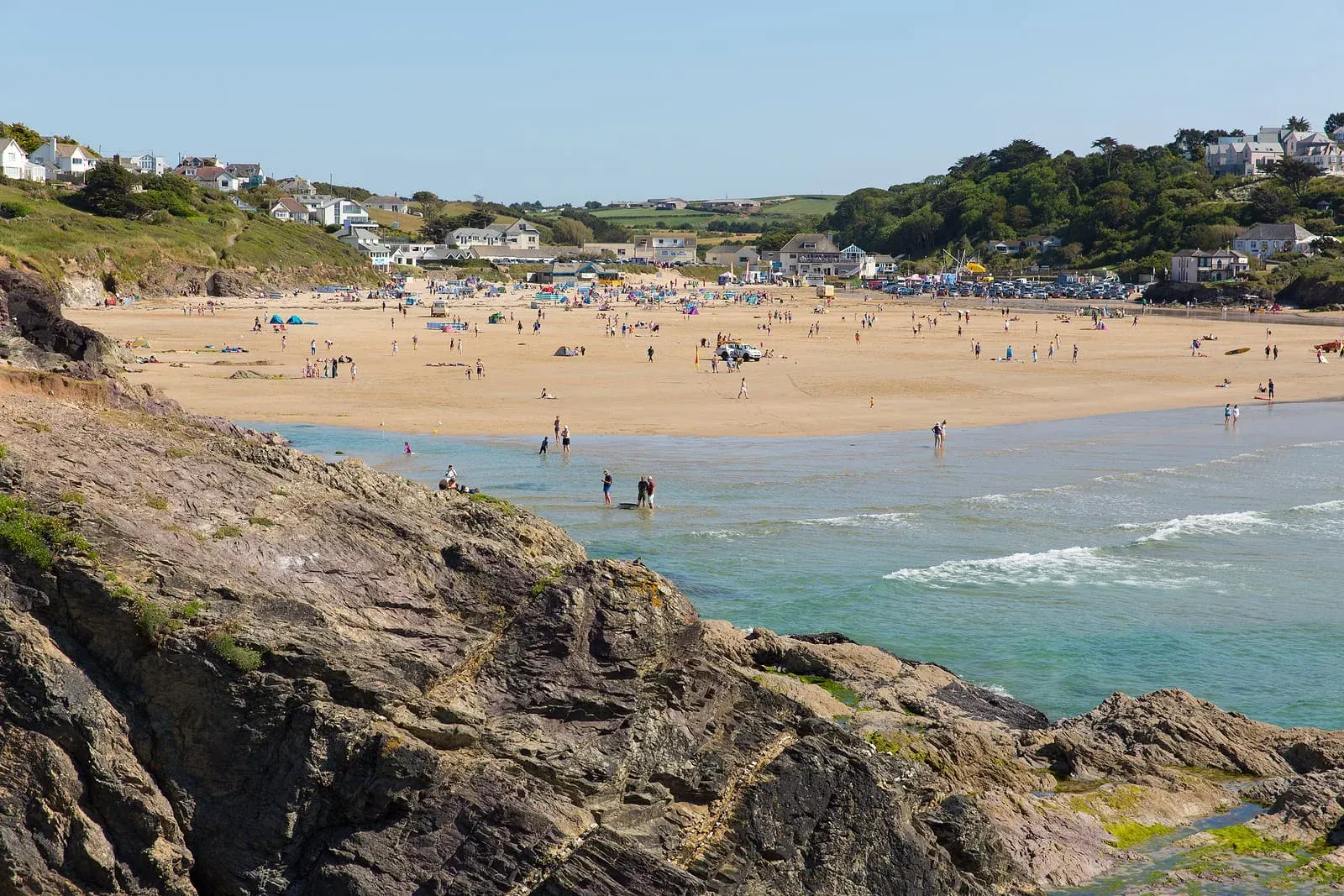
Camelford is about 12–15 miles (25–35 minutes by car) from the nearest North Cornwall beaches, including Polzeath, and Rock. These coastal spots offer sandy shores, surfing, and scenic walks within easy driving distance.
Yes — Camelford is considered a pleasant place to live, with a strong community, rural setting on the edge of Bodmin Moor, and easy access to beaches and countryside. It offers local shops, schools, and outdoor activities, making it appealing for families and anyone who enjoys a quieter, scenic lifestyle in North Cornwall.
Living in Cornwall means a slower, more relaxed lifestyle with beautiful beaches, coastal walks, and plenty of outdoor activities. Many towns have a strong sense of community, while the climate is milder than much of the UK. However, it can feel seasonal, with busy summers, quieter winters, and longer travel times for work, healthcare, and shopping.
No — Camelford does not have its own train station. The nearest rail services are at Bodmin Parkway or Liskeard, both about 30–40 minutes’ drive away. From those stations, you can continue to Camelford by bus, taxi, or car.
Dogs can roam Bodmin Moor, but owners should keep them on a lead near sheep and wildlife. Bring water, be prepared for changing weather, and follow the Countryside Code to protect animals and the environment.
Don’t miss Tintagel Castle, linked to King Arthur, Padstow for its harbour and seafood, Bude and Widemouth Bay for beaches and surfing, and Bodmin Moor for hiking and historic landscapes. Scenic villages like Port Isaac and coastal walks along the South West Coast Path are also must-see highlights.
Top attractions in Camelford include Slaughterbridge, linked to King Arthur’s legend, the River Camel for walking and canoeing, and access to Bodmin Moor for hiking and wildlife. Nearby Tintagel Castle and North Cornwall beaches make it a convenient base for history and outdoor adventures.
The best hiking trails near Camelford include Bodmin Moor, with routes to Rough Tor and Brown Willy, the River Camel Trail for gentle riverside walks, and coastal paths toward Tintagel and Boscastle. Trails suit all levels, offering dramatic moorland, historic sites, and scenic North Cornwall views.
Camelford is historically linked to Arthurian legend, with Slaughterbridge said to be the site of King Arthur’s final battle. The town also grew as a market and coaching town in medieval Cornwall and has a heritage in slate mining and local trade, reflecting its role in the region’s economic and cultural history.
Camelford is within easy reach of several North Cornwall beaches. Bude and Widemouth Bay are about 15-30 miles away and popular for surfing, Tintagel and Trebarwith Strand offer dramatic cliffs and historic scenery, and Polzeath is known for family-friendly sands and watersports. These beaches make Camelford a convenient base for exploring the North Cornwall coast.
Written by
Lisamarie is a writer and researcher with a long-standing love for Cornwall – its towns, coastlines, folklore, and everything in between. Most of her work involves blogging and articles, often focused on places and people, which pairs neatly with her fiction writing since both sides of her work let her balance research with imagination (and indulge a fondness for obscure facts). She lives with her husband, daughter, and a cat called Cheryl in a cottage in the Kent countryside, where she writes, paints, and watches horror films.
35 articles published on Cornwall.co.uk
Read more from Lisamarie Lamb →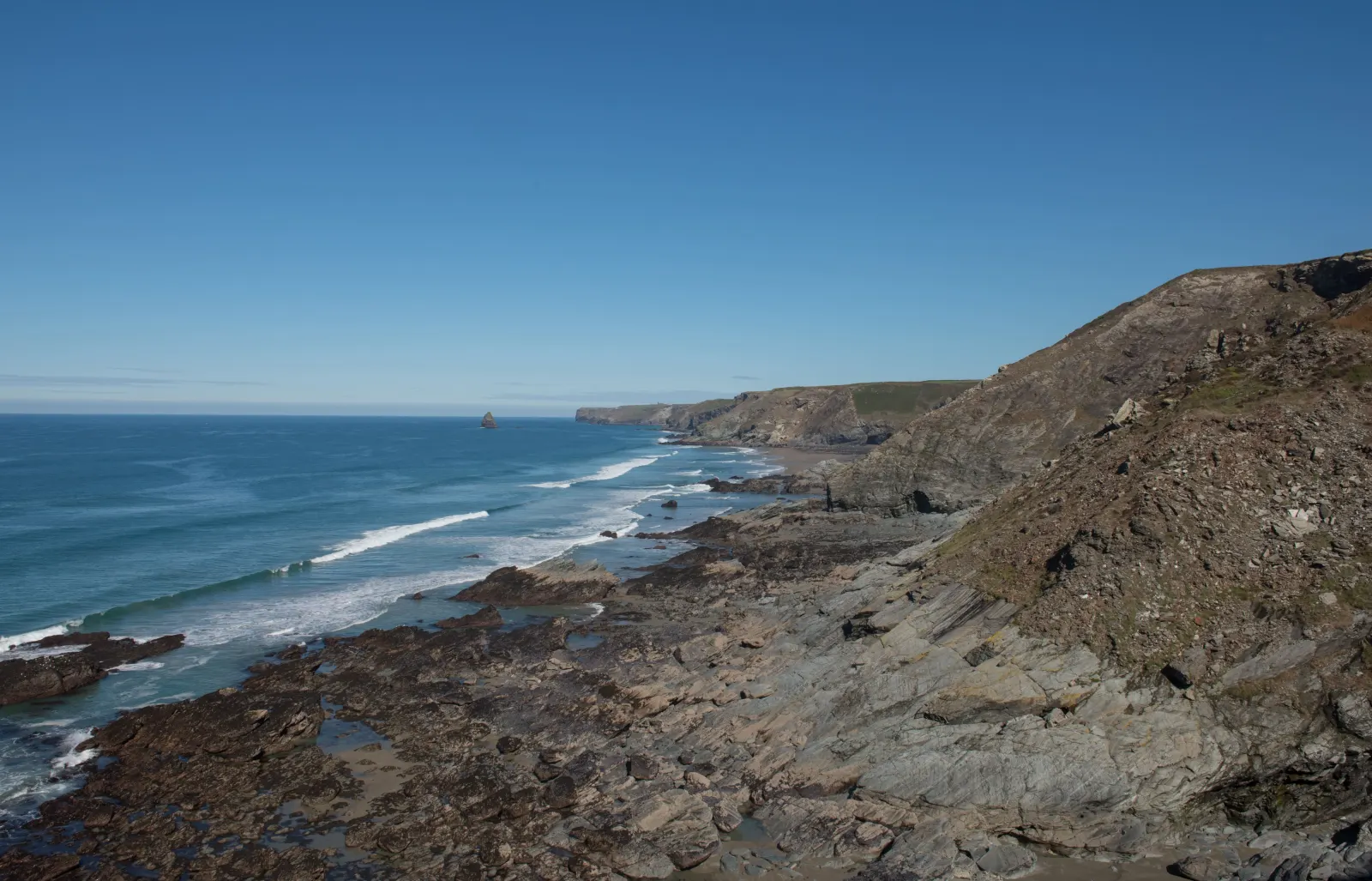



Comments
No comments yet — be the first to share your thoughts.
Leave a comment
Your email won’t be published. Comments are checked before they appear.