

13 articles
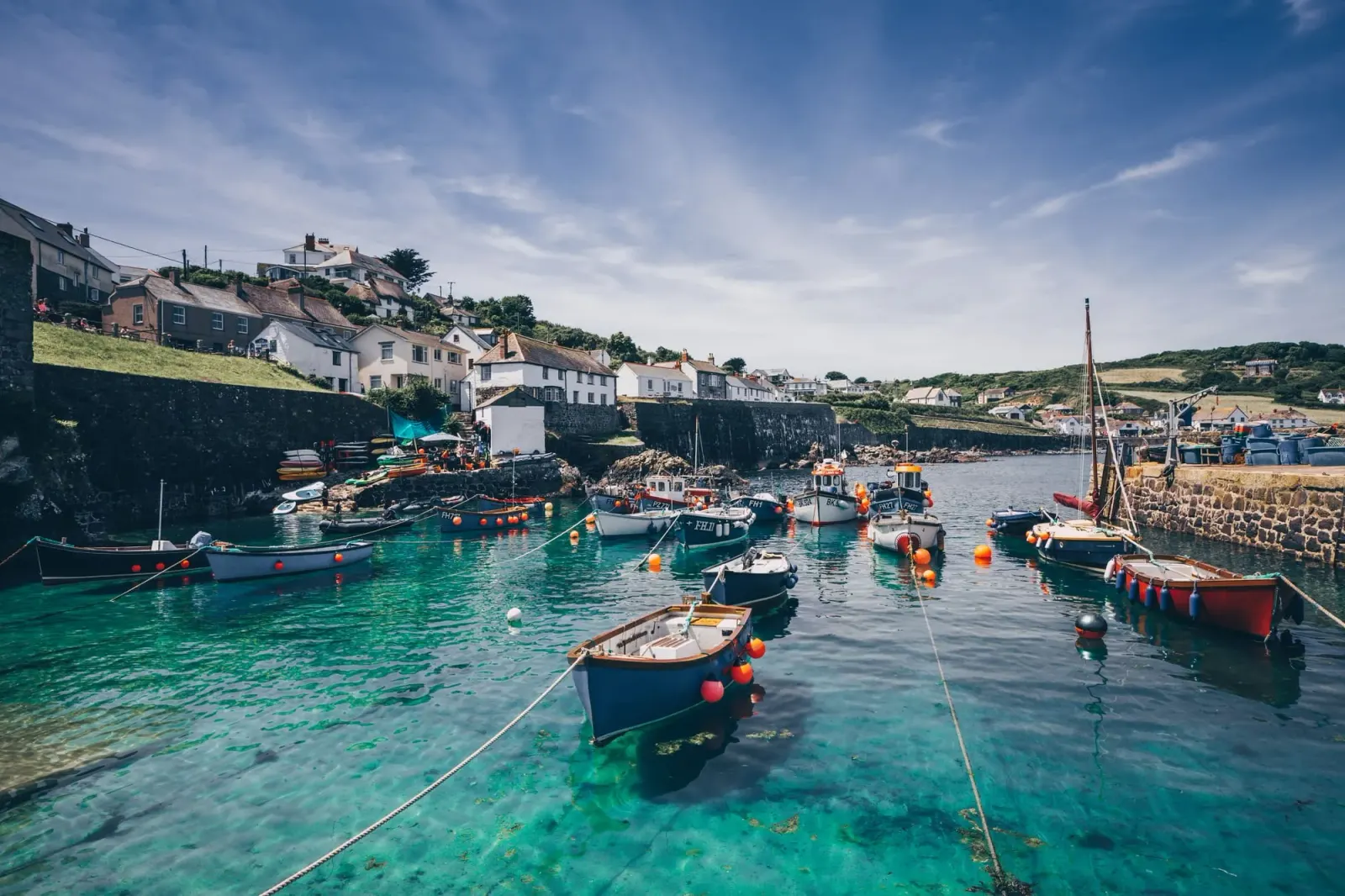
For the right person, living in Cornwall brings opportunity to enjoy a top-quality lifestyle. Start your day with a morning swim, or head for a surf after work. Hit the South West Coast Path on the weekend and stop off in a fantastic pub serving locally caught seafood afterwards. If you’re priority is career progression and climbing the corporate ladder, then the chances are Cornwall isn’t right for you (though it’s not impossible!) But if you’re a creative, remote worker or want to prioritise a relaxed lifestyle with easy access to the ocean and spending time outdoors it can be the best place to live.
Cost of Living in Cornwall
There’s no doubt that the cost of living in Cornwall can be a problem for some – however for others it is well worth the sacrifice.
The latest ONS statistics on internal migration published in 2023 show that Cornwall experienced the highest domestic migration rate in all of England and Wales. This means there has been a higher population increase there (proportionally to the existing population) than anywhere else.1
Housing Prices in Cornwall
With limited housing stock largely because of the holiday homes and the holiday rental market, you can expect some of the most expensive house prices in the country.2 House prices are lower than in London, but higher than the UK average.
- The average house in Cornwall as of August 2025 costs £289,000, higher than the UK average of £273,000.3
- Cornish house prices have seen an increase of 2.9% on the year to August 2025. This is higher than the average (2.4%) across the South West region, but lower than the UK average house price increase (3%) during the same time period.4
Cost of Renting in Cornwall
Renting in Cornwall can also be a challenge, especially in sought-after seaside towns like Falmouth, St Ives, Penzance and Bude. Head inland and to smaller villages for lower housing prices and more choice of properties.5
- The average monthly rent in Cornwall as of September 2025 is £987, lower than the UK average of £1,354.6
- Private rents in Cornwall increased by 7% from September 2024 to September 2025, a higher increase than the UK average of 5.5%.7
General Cost of Living in Cornwall
For many Cornish locals, disparities between the cost of living and the average wage are making it increasingly difficult to live.
Figures aren’t published about inflation in the UK by region. However, as Cornish people earn less on average than the rest of the country and wages rise at a slower rate, they are often affected more by inflation.
This has an especially negative effect on low income families and earners.8
- In Cornwall, median gross annual earnings for full-time employees were £32,812 in April 2024, an increase of 2.6% from £31,980 in April 2023.9
- In the UK, median gross annual earnings for full-time employees were £37,430 in April 2024, compared with £35,004 in April 2023, an increase of 6.9%.10
Employment Opportunities in Cornwall
Around 20% of jobs in Cornwall are centred around the tourist industry, which means lots of work is seasonal or in hospitality.11 The NHS, Cornwall Council and the education sector are amongst the county’s other large employers.
Finding jobs in other sectors is far from impossible, but your options may be more limited than elsewhere and it’s likely you’ll need to take a salary cut. For most lines of work, expect to earn less here than elsewhere in the country.
After graduating, most of my friends left the county in search of better paying careers, but the other option is what I did: to pursue a self-employed or freelance career. There’s plenty of inspiration along the Cornish coast, and lots of people with interesting stories, which some would argue makes it a great place to start a business.
Transport in Cornwall
Undoubtedly, the best way to get around in Cornwall is with a car. That gives you quick access to both coasts, makes it easier to meet up with friends from around the county and to reach supermarkets, schools, work and local amenities. As a Cornish person, I got my driving license as soon as possible. Most young people here aim to get their driving license as soon as they turn 17. If you live in busier towns like Falmouth, Penzance or Newquay owning a car is useful and improves your quality of life, but isn’t a necessity.
Whilst there is public transport, services are far less regular than many would like and journeys are often long and drawn out with stops in many places. Public transport options also don’t run 24 hours and often you have to take multiple connections to get to your destination. That being said, buses do run between some larger towns and there are good train links between Falmouth and Truro. Penzance, Camborne, Redruth, Truro, St Austell and Liskeard are also on the mainline to London Paddington via Plymouth and Exeter. 12
What to Do When You Live in Cornwall
What you do in your spare time in Cornwall can vary depending on where you live. However, with a car and minimal investment in equipment, you have an unlimited supply of low cost adventures on your doorstep. Generally, permanent residents don’t visit the main tourist attractions like Tintagel or the Eden Project, instead favouring coastal walks, sea swims, water sports, surfing, cycling and a whole range of outdoor activities.
One of my favourite things about living in Cornwall, is being able to go for a sea swim in the early morning, or meeting up with my friends after work at one of Cornwall’s beaches. Based in Falmouth, I can also walk to the boats I race on as part of the local sailing club. For me, that’s what the Cornish lifestyle is all about. There’s also a growing number of small live music venues in larger towns, along with restaurants for foodies to enjoy and a wide selection of pubs and cafés to relax in.
Is Cornwall a Good Place for Families?
With lower crime rates (the sixth lowest area in England & Wales), plenty of space to run around and smaller class numbers, Cornwall is an appealing destination for those with young families. 13 However, if you live in especially remote areas or the Roseland you may need to travel further to do the school or college run. On the weekends, you’re close to award-winning sandy beaches which are a great place to spend time with your partner, friends and children. There can be educational benefits to growing up next to the coast, where young people have opportunity to learn about the local environment and wildlife. Cornwall is also known for its strong communities links, where smaller populations contribute to more tight-knit communities.
What is Cornish Culture?
Cornish culture goes beyond the Cornish pasty and cream teas. As a Cornish person with a family history dating back centuries, in my eyes it is a community shaped throughout the years by mining, shipbuilding, seafaring and in more recent centuries prominent outdoors and creative communities.
- Surf culture: On the north coast, surf culture takes centre stage especially in towns like Perranporth, Hayle and Newquay.
- Artistic culture: On the south coast, in towns like St Ives, Penzance, Falmouth and Newlyn there are prominent artistic communities, an Arts university and a huge selection of art galleries. Cornish people also love an independent festival and there are plenty that spring up each summer across the county.
- An environmental outlook: Living in Cornwall helps you to realise how spectacular the planet and local environment is. Cornish people tend to appreciate the natural world and seek to protect it.
- Entrepreneurial spirit: Whether it’s an environmentally conscious effort to produce local goods, a creative passion, or a means to have more flexibility over when you have free time, there’s a definite entrepreneurial thread to modern Cornish culture. You’ll recognise it through the independent shops that line the county’s high streets.
Cornwall Through the Seasons
Any honest assessment of what it’s like to live in Cornwall has to bring the weather and seasons into consideration. Whilst each year is different, here’s a general overview of what Cornwall is like through the seasons.
What’s Spring Like in Cornwall?
Living in Cornwall during spring is my favourite time of year. Wildflowers carpet the woodlands, spring gardens begin to flourish and you’ll see more swimmers in the sea. Though don’t be fooled – the air might be warming up but the water is still very cold! Boats go back in the water, gig rowers train for the World Championships and the food and music festival season kicks off as everyone welcomes longer, lighter evenings. Locals enjoy quieter days outdoors before the summer crowds visit Cornwall.
What’ Summer Like in Cornwall?
Anyone living in Cornwall will agree it is the best place to be in summer, whilst simultaneously barely leaving their local area to go anywhere – especially during the school holidays. Traffic and crowds have many Cornish people lying low. Instead we favour local, lesser-known spots and visiting beaches early in the morning or later in the evenings. If the weather is good, everyone will be outside. If it isn’t, they’ll be disappointed. I’ve learnt that the key is to make the most of the good days and the lighter evenings whilst you can.
What’s autumn like in Cornwall?
Autumn is marmite for Cornish people. Some people love the return of peacefulness after a busy summer, the warmth of the sea, the lifting of dog restrictions and the return of swell for surfing. Personally, I‘m into it. For others, however, it’s an unwelcome sign of the winter that’s to come. But making the most of living here means embracing the change of the seasons and realising there are still plenty of adventures to be had at any time of the year.
What’s Winter Like in Cornwall?
Cornish winters are controversial – in the fact that many people dislike them. Less daylight hours and more rain mean less time for adventures and the sea becomes painfully cold (though not impossible) to swim in. For those willing to embrace the cosier side of life – like reading books in a cafe, watching TV, going out for roast dinners and slowing down, winter in Cornwall can be quite appealing. It can also be a great time of year for surfers and those who are unwilling to let the weather keep them indoors. My way is to leave for sunnier climes every January and February – one of the perks of freelancing!
Living in Cornwall Pros and Cons
In summary, here are the pros and cons of living in Cornwall.
Pros
- Easy access to nature and sandy beaches
- Slower and more relaxed pace of life
- Great place for families and young children
- Community spirit
- Lower crime rates
- Low cost outdoor activities to enjoy
- Milder winters with longer daylight hours than other parts of the UK
Cons
- Difficult to get around without a car
- Less employment opportunities and lower wages
- Higher house and rental prices
- Less connected to the rest of the country for visiting friends or family
- Can get overcrowded in summer
- Less to do in winter
- More rain than many other parts of the UK
Moving to Cornwall Guide
Before you consider moving to Cornwall, it’s important to realise that it’s actually quite a big place. What it’s like living in one location compared to another can offer different lifestyles and some towns and villages change dramatically throughout the seasons.
Things to Consider Before You Move to Cornwall
Here are some things to consider:
- Do you want to live in a coastal town (more expensive) or are you happy driving to be near the sea?
- How far are you willing to commute, what job can you get, and can you actually afford to live where you want?
- How does the tourist season affect where you’re living? Does it get overcrowded in the summer and is there anything to do in the winter?
- Will you realistically make the most of the outdoor lifestyle, or will you struggle to embrace it along with the weather and seasons?
- Do you mind travelling further to airports or to see friends and family?
Top Tips for Moving to Cornwall
If you’re still convinced Cornwall is the right place for you, it may be worth renting for a year before you commit to buying. My advice would be to make sure you experience a Cornish winter before you make the decision to move completely. Remember, prioritising quality time and a relaxed pace of life over material goods is a way of life in Cornwall. As is being friendly, looking out for each other and being respectful of people and the environment. Living in Cornwall can be very different to living in other parts of the UK, but for the right person it’s a dream come true.
Article Sources
- ONS (2023) Migration within the UK [online]. Available at: https://www.ons.gov.uk/peoplepopulationandcommunity/populationandmigration/migrationwithintheuk Office for National Statistics[↩]
- Rightmove (2025). 10 cheapest and most expensive seaside locations [online]. Available at: https://www.rightmove.co.uk/news/articles/property-news/cheapest-most-expensive-seaside-locations/ Rightmove[↩]
- ONS (2025). Housing prices in Cornwall [online]. Available at: https://www.ons.gov.uk/visualisations/housingpriceslocal/E06000052/ Office for National Statistics[↩]
- GOV.UK (2025). UK House price index (August 2025) [online]. Available at: https://www.gov.uk/government/news/uk-house-price-index-for-august-2025#:~:text=The%20UK%20HPI%20shows%20house,Scotland%2C%20Wales%20and%20Northern%20Ireland.&text=The%20August%20data%20shows:,UK%20valued%20at%20%C2%A3273%2C000 GOV.UK[↩]
- Cornwall Live (2024). Map of Cornwall’s cheapest and most expensive places to live [online]. Available at: https://www.cornwalllive.com/news/cornwall-news/map-cornwalls-cheapest-most-expensive-9592808 Cornwall Live[↩]
- ONS (2025). Housing prices in Cornwall [online]. Available at: https://www.ons.gov.uk/visualisations/housingpriceslocal/E06000052 Office for National Statistics[↩]
- ONS (2025). Private rent and house prices, UK: October 2025 [online]. Available at: https://cy.ons.gov.uk/economy/inflationandpriceindices/bulletins/privaterentandhousepricesuk/october2025 Office for National Statistics[↩]
- Cornwall Community Foundation (no date). Cornwall’s local economy and employment [online]. Available at: https://cornwallcommunityfoundation.com/our-impact-strategy/cornwall-local-economy-employment/#:~:text=salary%20in%20Cornwall?-,How%20do%20salaries%20in%20Cornwall%20compare%20to%20the%20rest%20of,%C2%A335.0k%20in%202023 Cornwall Community Foundation[↩]
- ONS (2024). Employee earnings in the UK: 2024 [online]. Available at: https://www.ons.gov.uk/employmentandlabourmarket/peopleinwork/earningsandworkinghours/bulletins/annualsurveyofhoursandearnings/2024#data-on-employee-earnings Office for National Statistics[↩]
- ONS (2023). Employee earnings in the UK: 2023 [online]. Available at: https://www.ons.gov.uk/employmentandlabourmarket/peopleinwork/earningsandworkinghours/bulletins/annualsurveyofhoursandearnings/2023 Office for National Statistics[↩]
- Transport for Cornwall (no date). Home page [online]. Available at: https://www.transportforcornwall.co.uk/ Transport for Cornwall[↩]
- Transport for Cornwall (no date). Home page [online]. Available at: https://www.transportforwww.cornwall.co.uk Transport for Cornwall[↩]
- Devon and Cornwall Police (no date). ONS statistics confirm Devon and Cornwall have sixth lowest crime rate in England & Wales [online]. Available at: https://news.devon-cornwall.police.uk/news-article/d4068396-0892-ef11-9d6f-6045bdd24049 Devon and Cornwall Police[↩]
Frequently Asked Questions
For some, the disadvantage of living in Cornwall is limited public transport options and job opportunities. However, there are lower crime rates, smaller populations and and easier access to beautiful places.
Living in Cornwall offers an excellent quality of life, with a slower pace than many British cities. There is easy access to outdoor space, coastline and adventurous activities, which many cite has an overall improvement on wellbeing.
Winters in Cornwall can be wet and cold, however they are milder than the rest of the UK. Many smaller villages and towns don’t have much going on, but larger hubs like Truro, Penzance and Falmouth have things to do throughout the winter.
Before moving to Cornwall, remember Cornwall is a lifestyle choice – where you choose to slow down and spend more time in nature. In the summer, your favourite places may become busy with tourists and there can be bad traffic. In the winter it’s often cold and rainy and many places close until the spring.
Living in Cornwall outside of the tourist season has its benefits as there are wide, empty beaches and less traffic. However, there are less events, lots of places close and there is more rain than other parts of the country.
Living costs in Cornwall are mixed. Some everyday expenses like local produce and utilities can be comparable with the rest of the UK, but due to lower average incomes and higher housing costs relative to local wages, many residents struggle more than people elsewhere. Cornwall’s median annual earnings are below the UK average, meaning inflation and housing pressures bite harder for locals.
Cornwall typically enjoys a milder climate than much of the UK, thanks to the Gulf Stream: winters tend to be less severe, and extremes are less common. However, it still faces strong Atlantic weather systems, heavy rain, winds, and occasional storms with travel disruption and flooding risk in winter.
Cornwall offers a strong community feel, outdoor space, and a quieter pace of life that many families value. Some local schools have good reputations, and outdoor learning is abundant. But limited public transport, rural isolation, and fewer professional career opportunities can make family life challenging without a car.
Healthcare access in Cornwall can be difficult: long waiting times for specialist and dental services are a common concern, particularly for mental health. Rural areas have fewer nearby facilities, and many people must travel for appointments.
Cornwall has a mix of primary, secondary, and further‑education institutions. Some schools in towns like Truro and Falmouth score well with inspectors, and outdoor, community‑oriented education is strong. However, recruitment of teachers in rural settings and poverty‑linked learning gaps are ongoing challenges.
Cornwall is connected by road (A30), rail (to London Paddington and beyond), and regional flights from Cornwall Airport Newquay. But travel can be long and expensive compared with living nearer to major cities. Within Cornwall, public transport is limited and often requires a car for daily commuting, especially in rural areas.
Towns like Truro, Falmouth, Wadebridge, and Penryn (recently highlighted in national best‑to‑live lists) offer better services, community life, and amenities while still being close to coast and countryside. Coastal villages like St Ives and Penzance are beautiful but can be pricier or heavily seasonal.
Written by
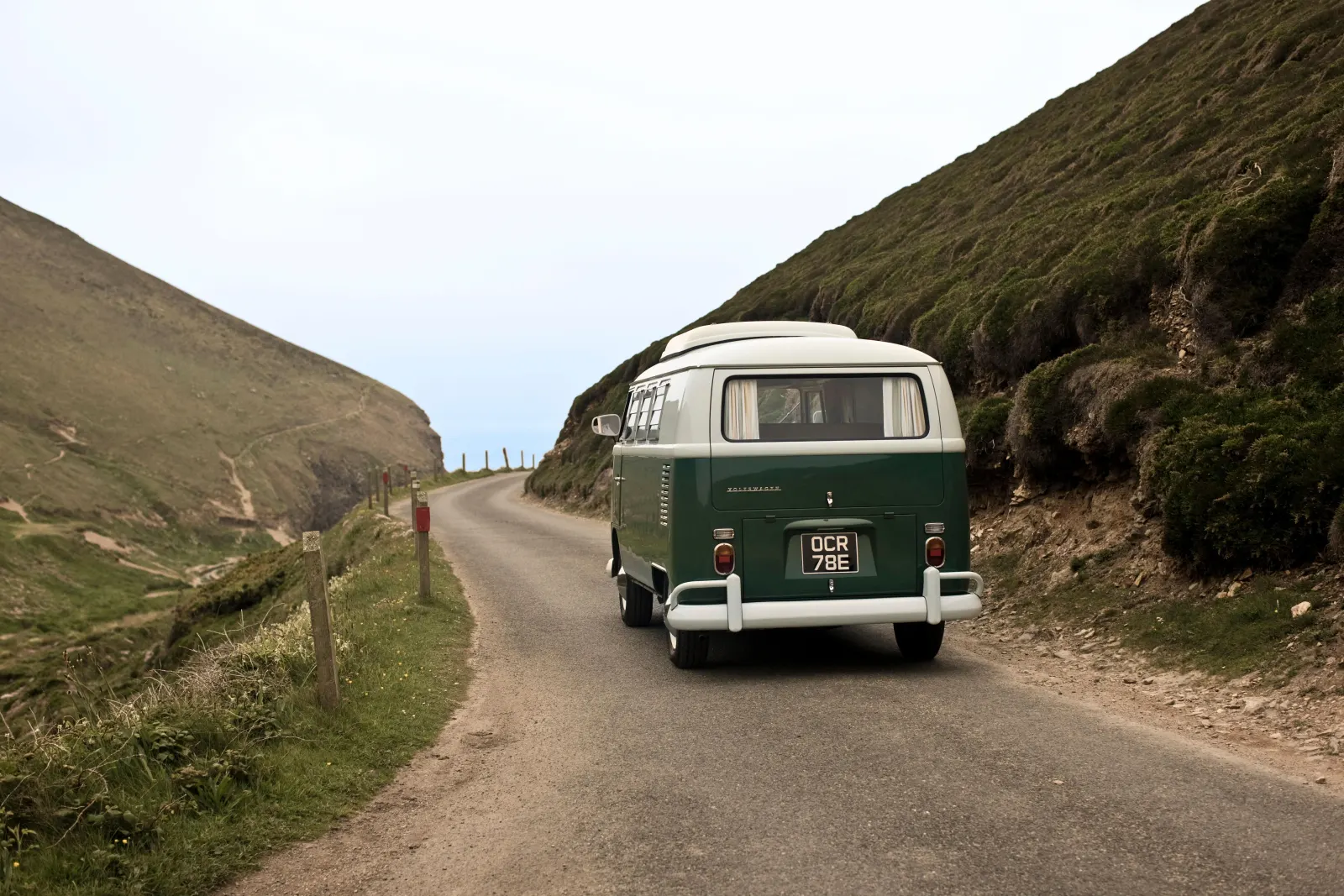
Lydia Paleschi is a Falmouth local and freelance writer whose family have been based in Cornwall for many generations. However, it wasn’t until she spent several years living in Cardiff and London that Lydia realised that living next to the ocean is where she belongs. After moving back to Falmouth and launching her freelance career in order to make the most of a Cornish lifestyle determined by weather and tides, Lydia now spends most of her free time wild swimming and sailing in Cornish waters. And despite being lucky to travel far and wide – sailing as far away as Central America – it is the Cornish coastline that Lydia finds provides the greatest nourishment to her soul. More recently, Lydia has been exploring Cornwall in her van, which has only made her fall in love with her home county more. Lydia’s book A Guide to Wild Swimming in Cornwall aims to help others share in her love of the Cornish coastline and the wellbeing benefits that can be enjoyed by spending time there.
13 articles published on Cornwall.co.uk
Read more from Lydia Paleschi →




Comments
No comments yet — be the first to share your thoughts.
Leave a comment
Your email won’t be published. Comments are checked before they appear.