

9 articles
Cornwall is famous for its giants and of all the old Cornish legends, one stands out as by the far the best known – Jack the Giant Killer. Jack was the son of a Cornish farmer who famously travelled across Cornwall and Wales, slaying a great number of marauding giants. I daresay you’ve probably heard of Jack the Giant Killer, but are you familiar with his story?
The Origins of the Jack the Giant Killer Folk Story
There are so many old stories about giants that one Victorian antiquarian named Cornwall ‘The Land of the Giants’.1 That said, the tale of Jack the Giant Killer is easily the best known.
There have been several versions of this English fairy tale over the years, as well as a film based on it. It first appeared in a chapbook in 1711. At the time chapbooks were cheap booklets that circulated popular stories for mass consumption.2 The were typically illustrated, and rarely ever more than about 24 pages long. In many respects they were rather like an 18th century equivalent of a modern graphic novel (but usually much shorter).
The original 1711 version of the fairy tale has not survived but it was soon followed by other versions later in the 18th century.
The story you can read here is a fairly traditional telling of the story, inspired by the tale as it appears in a 19th century collection compiled by Joseph Jacobs.3
Would you like me to also normalize the citation parentheses and punctuation (so that references are styled consistently and easier to read)?
Jack the Cornish Farmer’s Son
A long time ago, in the time of King Arthur, there lived a Cornish farmer’s son by the name of Jack. Jack grew up to be an exceptionally strong young man who virtually no one could match at wrestling and other trials of strength. Jack spent much of his boyhood dreaming of adventures and it was his dearest wish that perhaps one day he’d be made a Knight of the Round Table.
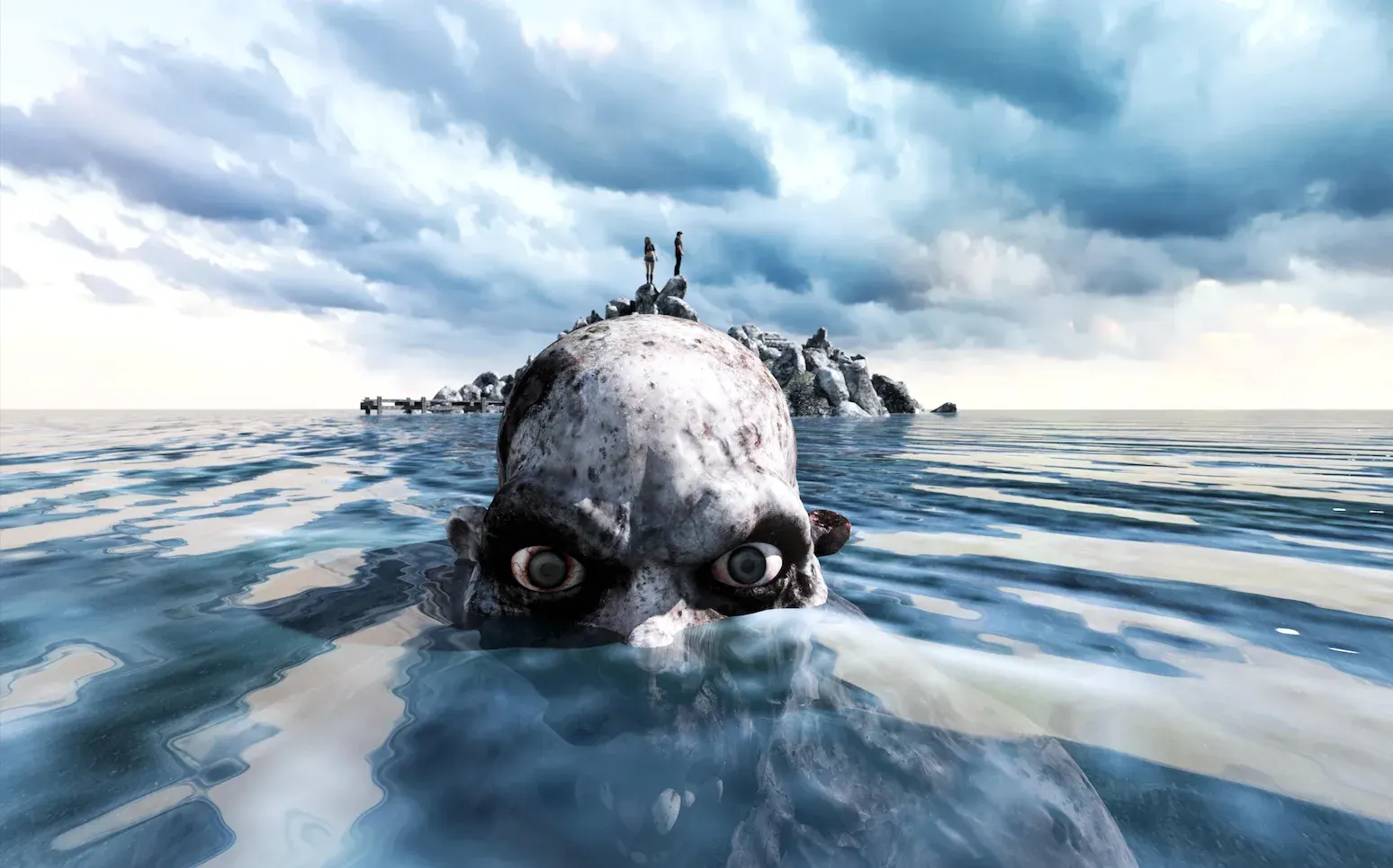
Now it just so happened that at this time the land was plagued by a number of savage giants and, amongst the worst of all of them was a brute named Cormoran who lived on the island known as St Michael’s Mount. At high tide, St Michael’s Mount is cut off from the mainland but at low tide, Cormoran would often wade ashore to plunder the local livestock. The farmers thereabouts sent word to King Mark of Cornwall, asking for aid but, alas, none of the local knights were a match for the mighty Cormoran.
When Jack came to hear of this, he thought to himself that this was just the kind of adventure he’d been waiting for!
Jack Kills his First Giant
Jack knew that it would be foolish to fight the giant head on. Strong as he certainly was, no man was a match of a giant in a fair fight. Instead, Jack knew that he’d need to use cunning. And so, Jack made a plan and set off one evening for the island with a pickaxe, a shovel, a hunting horn and a lantern.
All night, whilst the giant slept, Jack dug a great pit, more than deep enough to contain even a great giant like Cormoran. Then Jack covered the pit over with branches, twigs, leaves and dirt. So well did he cover it that it was hard for anyone to tell that a pit was there at all.
Finally, Jack was ready. Then, just before dawn, Jack took his hunting horn and blew several loud blasts, just outside the giant’s cave.
“Wake up lazybones!” he shouted and blew half a dozen more loud blasts on the horn.
“How dare you wake me you little wretch!” shouted the giant as he emerged from his lair, “I will boil you up and eat you for my breakfast for your insolence!”
The giant chased him in a rage but, so keen to lay his hands on the cheeky young lad was he that he failed to notice the pit and fell right in! Old Cormoran roared with anger, but it was too late. Jack ran up to the side of the pit and took a mighty swing of his pickaxe, planting it squarely in the giant’s head. And that was the end of Cormoran!
The Giant’s Heart stone
Jack The Valiant Cornishman
Now it wasn’t long before the news of the giant’s death spread all across Cornwall. The local people were so happy to hear of the deed that they decided that Jack must have a fine reward.
They named him Jack the Giant Killer and presented him with his own sword and a fine belt on which was written in gold letters:
“This is the valiant Cornishman
Who slew the Giant Cormoran.”
And so the famous Cornish legend of Jack the Giant Killer was born.
Blunderbore the Giant
Some time later Jack was travelling through Cornwall when he came upon a forest. The day was hot and Jack was growing tired, so he stopped to take a nap beneath an oak tree.
Now, it just so happened that a terrible giant by the name of Blunderbore frequented these very same woods. He had heard of Jack and of the fate of Cormoran and was keen to get revenge for the death of his kinsman. Then, as ill luck would have it, he came across Jack asleep in the woods. Seeing Jack’s belt, he immediately knew who he was. He scooped Jack up at once and stuffed him in his bag before Jack could do anything about it.
Blunderbore took Jack back to his castle and tipped him out of the bag into a dark dungeon filled with the skulls and bones of the giant’s past victims.
“At last, I have you in my power!” crowed the giant, “I’ll be back soon with my kinsman and then we shall cook you up as a feast!”
Jack Escapes and Slays Two Giants
But old Blunderbore had underestimated Jack. Whilst he was away, Jack climbed up the dungeon walls, bent aside the bars on one of the windows and slipped out.
Jack climbed up to the castle battlements and, taking some rope, he made two great nooses. Attaching one end of each rope to the portcullis winch, he crouched down and waited for Blunderbore to return with his companion.
Sure enough, Blunderbore soon returned, along with another giant; a most ugly fellow. Both were singing in gruff tones as to how they planned to cook and eat Jack. But, once they were at the gate, Jack hurled the nooses around their necks and released the portcullis winch. Both giants were pulled up high into the air in an instant, kicking and choking as they clawed at the rope around their necks.
In a flash Jack slid down the ropes and, taking his sword, finished off both monsters. Now Jack had slain three giants!
Jack and the Two-Headed Giant
The very next year Jack decided to travel to Wales, since he had heard that land was plagued with many giants.
Late one night Jack came upon a great hut in the woods in which lived a vile two-headed giant. However, this Welsh giant was cunning. He invited Jack in and offered him food and pretended to be a friendly and generous host.
But later that night Jack heard the giant planning to kill him. The giant sneaked in Jack’s room and, seeing Jack asleep in his bed, pummelled the bed with a cruel cudgel. But Jack had tricked him by stuffing the bed with pillows whilst he hid nearby.
The next morning the giant was shocked to see Jack was still alive and unharmed. At breakfast the giant ate a hearty portion of hasty pudding. Not to be outdone Jack decided to eat more. But he tricked the giant by only pretending to eat it. He slipped most of it into a bag next to his stomach. None the wiser, the old giant was surprised at how much such a small fellow could eat.
The giant then took to boasting to frighten Jack. But Jack boasted he could match the giant in any feat of courage or strength. To demonstrate his fortitude Jack slashed open the bag at his belly and the hasty pudding spilled upon the floor. The giant was dumbfounded, thinking Jack had spilled his guts and survived. Not to be outdone, he slashed open his own belly and perished there and then.
Now Jack had slain four giants!
Jack Meets King Arthur
Tales of Jack and giants had become so famous by this time that Jack was summoned to the court of King Arthur. Everyone was impressed with his deeds, and Jack promised the king he would not rest until Wales was free of giants.
Whilst travelling with Arthur’s son, Jack tricked a three-headed giant into giving him a coat of invisibility, a cap of knowledge, a sword of sharpness and shoes of great swiftness. And armed with these he was able to vanquish more giants.
It wasn’t long before he’d slain two more Welsh giants and freed the people that they’d been keeping in their dungeon larder. Now Jack had slain six giants!
Thundel the Giant
Jack was invited to a feast in his honour by a local knight, to celebrate slaying so many giants. However, not long after the feast began a messenger came with news of a new terror.
Thundel, a savage two-headed giant was coming to kill Jack. And sure enough the monster was on his way and everyone could hear his booming voice calling in the distance:
Fa, fe, fi, fo, fum,
I smell the blood of an Englishman;
Let him be alive, or let him be dead,
I’ll grind his bones to make me bread
At once Jack led a party of men out of the castle and bid them saw into the drawbridge. Not enough to cut it in two but enough to weaken it. Then he ran out to meet Thundel.
Taunting the great ogre, he ran rings around him with his shoes of swiftness. Once the giant was proper angry, Jack ran back to the castle and over the drawbridge. The roaring giant followed in a blind rage, but his great weight caused the bridge to collapse.
The giant fell into the moat and floundered. But, before he could swim ashore, Jack leapt down onto the monster and drove his sword of sharpness into his head.
Now Jack had slain seven giants!
Galligantus and the Enchanted Castle
Curse of the Enchanted Castle
Much later Jack was on his travels once more and in time he came across a hermit’s hut at the foot of a mountain. The hermit offered him food and refreshment and advised him not to tarry too long near the mountain since it was cursed.
“How so?” asked Jack.
Then the hermit told him that an enchanted castle sat on top of the mountain and in it lived a terrible giant by the name of Galligantus and an evil sorcerer who helped the giant. The pair had captured many poor souls and used the magician’s magic to transform them into animals. Even the duke’s daughter had been taken and transformed into a deer.
But there was no hope of rescue since the castle gates were guarded by two fire breathing griffins and everyone knew that Galligantus was the most terrible giant of all.
Jack Breaks the Evil Enchantment
Jack at once set off up the mountain and, putting on the coat of invisibility, slipped past the griffins without any trouble. Searching the castle, Jack came across a golden horn and on it was written the following words:
Whoever can this trumpet blow,
Shall cause the giant’s overthrow
Jack at once blew the horn and the enchantments that gave the giant power were broken. The animals transformed back into people and the evil sorcerer was whisked away by a mighty whirlwind.
Then Jack searched the castle until he’d cornered Galligantus and, after a fierce fight, he cut off the giant’s head and ended his reign of terror forever.
Now Jack had slain eight giants, and all the west of England and Wales was never again troubled by the monsters! And so ends the famous English fairy tale of Jack the Giant Killer.
Cornwall Locations from the Story
Today you can visit St Michael’s Mount, the very same place where Jack slew Cormoran. These days you will find a castle on top of the mount and, if you are lucky, you might even catch a glimpse of the famous heart stone on the way up.
St Michael’s Mount is an island just off the coast of Marizon in South West Cornwall. You can walk across to the Mount at low tide, or get a boat across if you are not feeling so adventurous. Be sure to check the tides before you visit.
- Grid Reference: SW 51455 29841
- What3Words: ///crumbles.birdcage.fuss
Blunderbore is another famous Cornish giant Jack fought. He was said to live near where today you’ll find the small hamlet of Ludgvan, near Penzance.5
- Grid Reference: SW 50487 33008
- What3Words: ///studs.catchers.circulate
The Enduring Appeal of Jack and the Giants
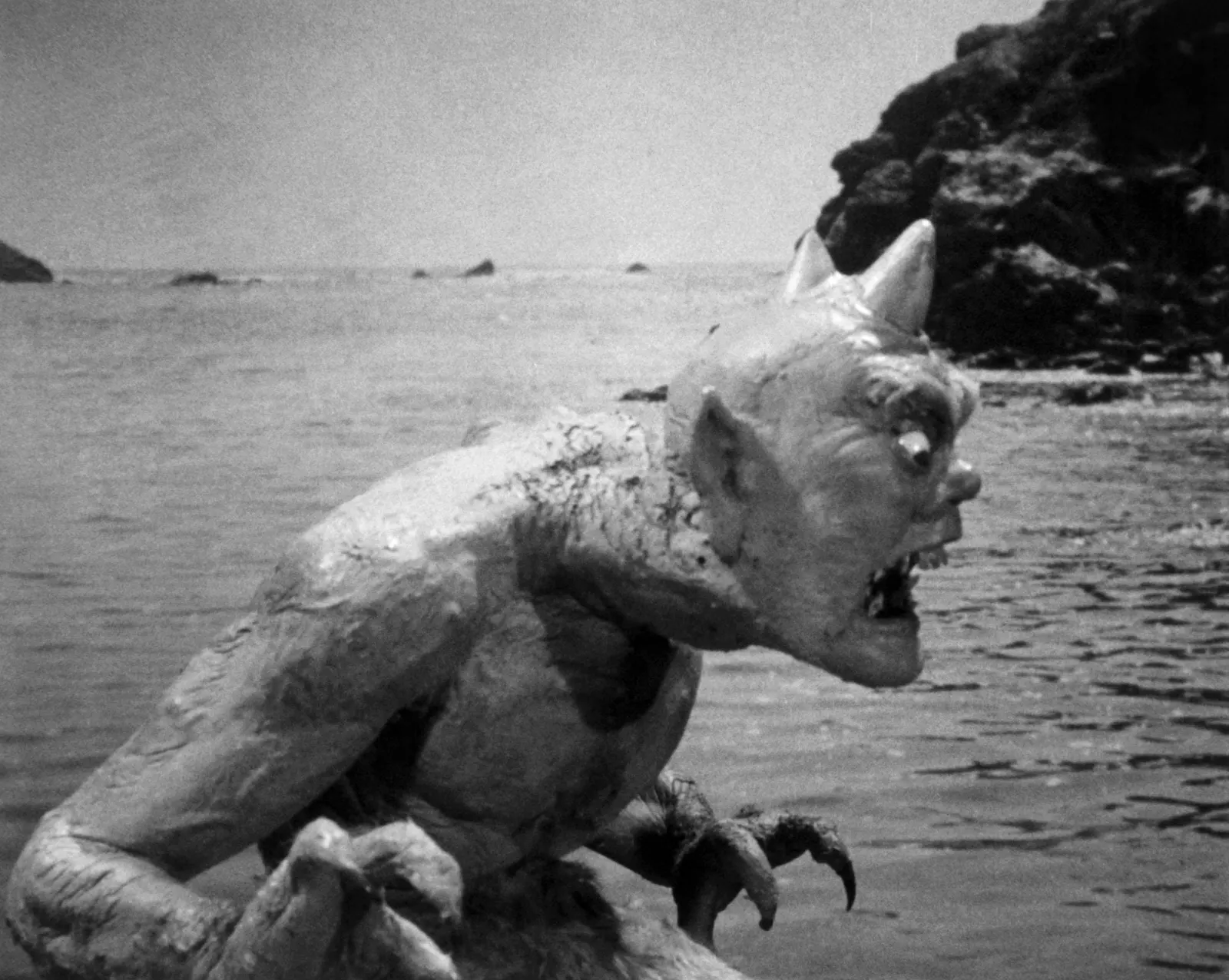
Jack the Giant Killer has become established as one of the most popular English fairy tales. In more recent times it has inspired Hollywood films, such as the 1962 film Jack the Giant Killer. And, of course, the famous expression ‘fi, fe, fo, fum’ has become synonymous with stories of giants the world over.
And, just think, the tale of Jack and the giants all started with a short story in the early eighteenth century equivalent of a graphic novel!
Article Sources
- James, RM. (2022). The Folklore of Cornwall, the oral tradition of a Celtic nation. Exter: University of Exeter Press[↩]
- Simpson, J. & Roud, S. (2000). Oxford Dictionary of English Folklore. Oxford: Oxford University Press[↩]
- etc.usf.edu. (n.d.). ‘Jack the Giant Killer’ | Fairy Tales and Other Traditional Stories | Joseph Jacobs | Lit2Go ETC. [online] Available at: https://etc.usf.edu/lit2go/68/fairy-tales-and-other-traditional-stories/5090/jack-the-giant-killer The Florida Center for Instructional Technology[↩]
- St Michael’s Mount. (n.d.). St Michael’s Mount History & Myths. [online] Available at: https://stmichaelsmount.co.uk/explore-the-mount/history-legends St Michael’s Mount[↩]
- O’Connor, M. (2025). The Little History of Storytelling in Cornwall. Cheltenham: The History Press[↩]
Frequently Asked Questions
Jack was a Cornish Farmer’s son, who famously slew several giants who’d been terrorising the land during the time of King Arthur.
The story of Jack the Giant Killer first appeared in 1711 in a period chapbook. As far as we know, it is a fictional story, although it perhaps draws upon earlier, now lost, folk tales.
The story primarily concerns itself with the heroic escapades of Jack, a Cornish famer’s son, as he travels across Cornwall and Wales, slaying several marauding giants.
Jack is a Cornish farmer’s son who travels across the land killing a number of giants who are terrorising the countryside. He acquires a number of magical items in the course of his adventures that help him fight these monsters.
Jack defeats several giants in the traditional telling of the tale: Cormoran of Saint Michael’s Mount; Blunderbore and his unnamed companion; a two-headed Welsh giant, two additional unnamed Welsh giants, a giant named Thundel, and a giant named Galligantus. He also outwits (but doesn’t kill) a three-headed giant.
No. These are two different Jacks, although they both had run-ins with giants. In British folktales, characters called Jack often appear, usually as a plucky young hero, often using cunning to outwit seemingly stronger foes.
The story of Jack and the beanstalk has only one giant and famously features a gigantic magic beanstalk. In the tale of Jack the Giant Killer, the hero confronts not one but several different giants and no magic beanstalk appears in the tale.
In 1962 United Artists made a film of the story, produced by Edward Small and directed by Nathan Juran. Several members of the cast and crew had previously worked on the 7th Voyage of Sinbad and featured the same stop motion animation special effects.
The 1962 film was only very loosely based on the traditional tale. Its plot was different in many respects and it featured several characters who were never part of the original story (a leprechaun, Princess Elaine and Pendragon the sorcerer).
The film starred Kerwin Mathews, Judi Meredith and Torin Thatcher. Other cast members included Barry Kelley, Dayton Lummis, Don Beddoe, Roger Mobley and Walter Burke.
Printed versions of Jack the Giant Killer began appearing in the early 1700s, although the story itself is believed to be much older, passed down through oral tradition before being recorded in books.
Jack the Giant Killer has no single author. It is a traditional English folk tale that originated in oral storytelling and was later written down in various versions during the 18th century.
Written by
Paul Watts is a local writer based in Launceston with a keen interest in history and folklore, having studied A History of Folklore at Oxford University. He is the author of Myths and Legends of the Medieval World (Pen & Sword Books) as well as a leading medieval history blog (named a ‘Top blog’ by Feedspot in 2025)
9 articles published on Cornwall.co.uk
Read more from Paul Watts →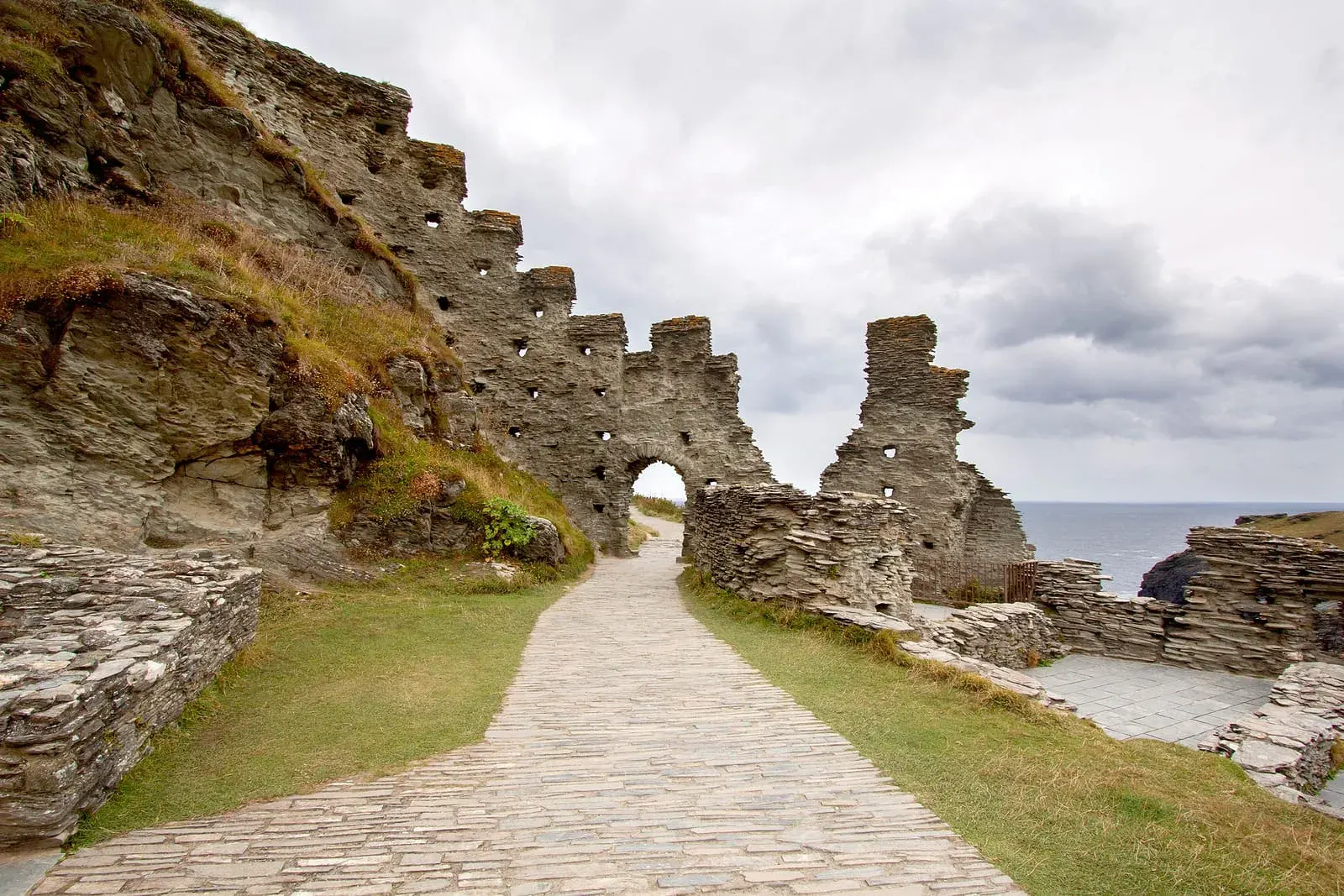
Comments
No comments yet — be the first to share your thoughts.
Leave a comment
Your email won’t be published. Comments are checked before they appear.