

10 articles
Cornwall is brilliant at celebrating the great outdoors! By day you can enjoy its vast amount of AONB areas (Areas of Outstanding Natural Beauty), one of the many beautiful beaches or even stroll through one of the historical National Trust gardens or stately homes.
However, when it comes to night time, the fun doesn’t stop there! The deep skies fill with incredible star constellations, and whether you choose to stomp out to see the starry skies on the coast for full dramatic effect, or simply enjoy it from the garden of your home or holiday cottage, you can get totally mesmerised with what lies above the Cornish landscapes…
What to look out for when stargazing in Cornwall
The checklist for what to take is quite simple for stargazing: binoculars, warm clothes, a flask of tea and perhaps a good camera. The same goes for the simple pleasures of what to look out for too. Here’s a simple run through of what to look for:
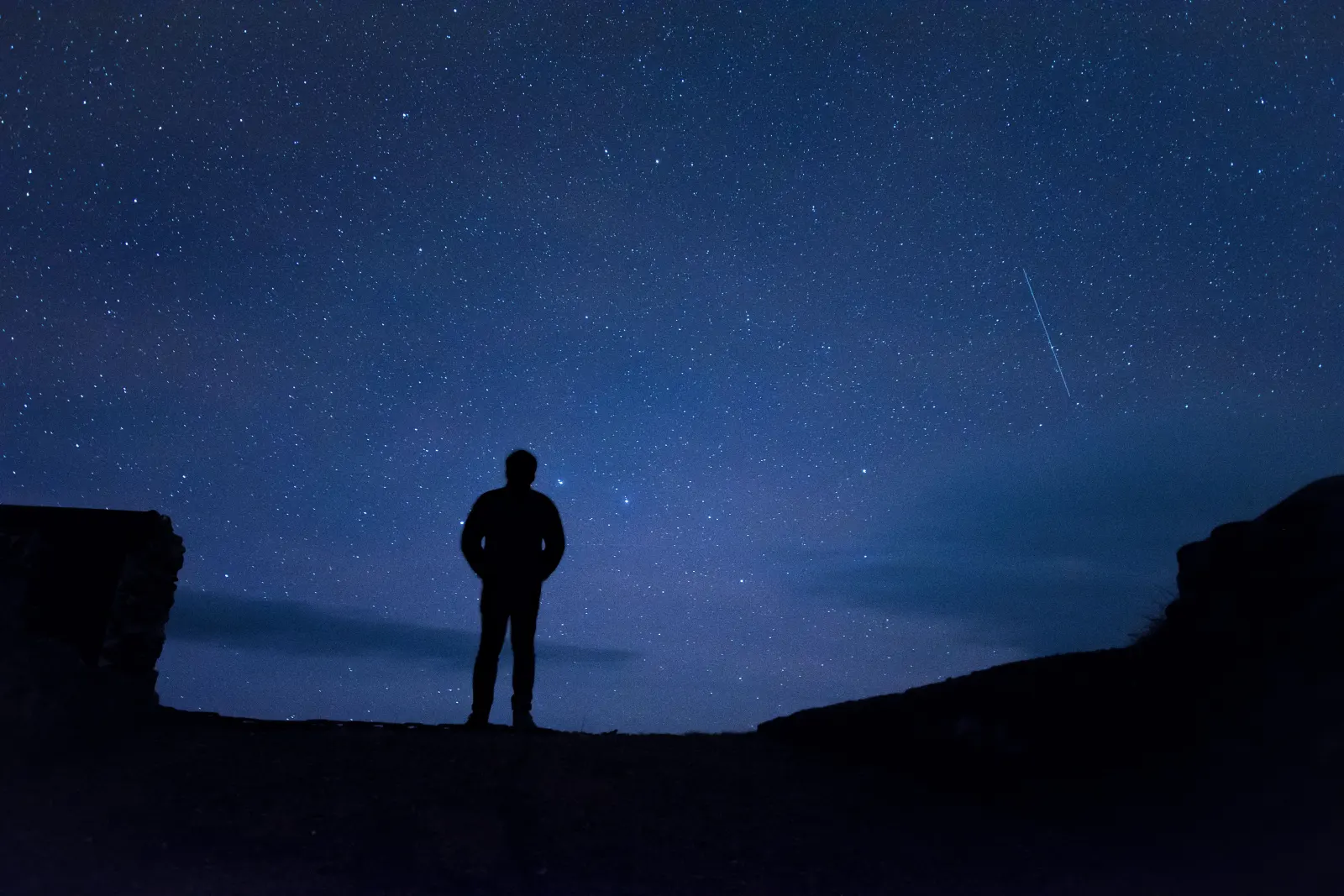
Shooting stars: One of life’s great pleasures is seeing shooting stars, especially if you catch them just looking with the naked eye. These moments usually occur if you stare in one spot, on a really clear night, away from artificial light. Quietly observe one spot in the sky, and you’ll be sure to see shooting stars.
Meteor showers: You will definitely get more than you bargained for if you’re looking for shooting stars on a night where you see a meteor shower! They occur when a meteoroid enters the earth’s atmosphere. They usually become extremely hot and it’s the streak of hot air that creates the ‘shooting star’ effect from the meteoroid. When this occurs with multiple meteoroids at a time, it creates a ‘shower’ and fills the sky with shooting stars. There are certain months that are better than others, and days. You can look this up on NASA’s website. The other thing worth noting is to try and plan so that you don’t watch a meteor shower when there is a full moon, as this will brighten the sky making the stars less visible. You are better planning for an evening with a new moon. 1
Planets: If you learn the stars, their constellations and planets within them, you can become quite scientific about spotting the planets whereabouts in the night’s sky. Particularly if you have binoculars or a telescope. However, for beginners the simplest way to know your planets from your stars with the naked eye, is to look out for those that are not twinkling. Stars twinkle whereas planets do not. Take a look and see if you can spot the difference! 2
Where to go stargazing in Cornwall
Bodmin Moor
In 2017 the International Dark-Sky Association named Bodmin Moor an International Dark Sky Landscape following a bid made by Cornwall Council and Caradon Observatory. 3 This not only recognises Bodmin Moor for its night sky quality, but it also means that those involved will protect the area to maintain this special status. You also have the fantastic Colliford Lake on the moor. This is Cornwall’s largest inland water, covering 900 acres. Its expanse means you benefit from extra light and reflections on a dark night. You also have a car park here, making it the perfect spot on the moor to pull up and see the night sky. 4
- Grid reference: SX 17541 70960
- What3words: //////brother.approvals.quintet
Carnewas
In north Cornwall, not far from Newquay, you can perch on the clifftops of Carnewas, right next to the impressive Bedruthan Steps, and take in one of Kernow’s finest starry sky spots. This location is great for stargazing whilst being surrounded by an equally awe-inspiring coastline.
- Grid reference: SW 84974 69017
- What3words: ///relieves.chains.usual
St Agnes Head
Along with St Agnes Head and West Penwith, this location also holds the title of a Dark Sky Discovery Site. For the highest elevation and a full 360° view of Cornwall as well as the night sky above, we recommend heading to St Agnes Beacon. There is a car park nearby and it is a short walk to the top. Bring layers and a flask of something warm, as the coastal breeze can be strong.
- Grid reference: SW 69910 51097
- What3words: ///published.remark.fattening
West Penwith
An International Dark Sky Park as well as a world heritage site,5 West Penwith’s history and its landscapes definitely makes it one of the most iconic dark site places to go stargazing in Cornwall. Not only are there fantastic inland locations, such as Lanyon Quoit and the National Trust’s Chapel Carn Brea, and a short circular walk with incredible stargazing opportunities en route.6 You will also have special coastal spots such as Sennen Cove and St Just. Whether inland or by the sea, West Penwith is perfect for those seeking the stars!
Chapel Carn Brea:
- Grid reference: SW 38881 28331
- What3words: ///proofread.distorts.squeezed
Sennen Cove:
- Grid reference: SW 35503 26329
- What3words: ///pilots.brownish.neutron
Lizard Peninsula
Last but certainly not least, you have the Lizard Peninsula. On the South West coast of Cornwall, between Helston and Penzance, you will find the spectacular Lizard Peninsula. With very few built-up areas, and a stunning coastline including some of Cornwall’s most famous beaches, such as Kynance Cove, this makes a great secret and quiet spot to take in the starry skies.
- Grid reference: SW 68400 13281
- What3words: ///clinic.records.conclude
The Last Constellation
Whether it’s on a clifftop overlooking the Atlantic Ocean with vast skies above, or in a quiet dark-sky spot further inland among the incredible moorlands, stargazing in Cornwall is sure to be a mesmerising experience. We hope that wherever you choose, the night sky is filled with constellations, shooting stars, and a little sprinkling of Cornish magic!
Article Sources
- Meteor shower (no date). Spaceplace.nasa.gov. Available at: https://spaceplace.nasa.gov/meteor-shower/en/ (Accessed 1 October 2025) NASA[↩]
- What do planets look like (March 2025). Available at: https://www.adlerplanetarium.org/blog/how-to-identify-planets/#:~:text=What%20Do%20Planets%20Look%20Like,stars%20would%20twinkle%20at%20all! (Accessed 1 October 2025) Adler Planetarium[↩]
- Dark skies (no date). Cornwall-landscapes.org. Available at: https://cornwall-landscape.org/project/dark-skies/ (Accessed 1 October 2025) Cornwall Landscapes[↩]
- Colliford, Cornwall (no date). swlakestrust.org. Available at: https://www.swlakestrust.org.uk/colliford (Accessed 1 October 2025) SW Lakes Trust[↩]
- Carnewas at Bedruthan (no date). Nationaltrust.org.uk. Available at: https://www.nationaltrust.org.uk/visit/cornwall/carnewas-at-bedruthan (Accessed 1 October 2025) National Trust[↩]
- Guide to stargazing in Cornwall (October 2023). Classic.co.uk. Available at: https://www.classic.co.uk/nas/things-to-do/guide-to-stargazing-in-cornwall-2242.html (Accessed 1 October 2025) Classic Cottages[↩]
Frequently Asked Questions
The Milky Way can be seen in Cornwall – its brightest region, the Galactic Center, is best seen when highest in the sky. In Cornwall, this is April to October. In the southern hemisphere, the season is reversed, with peak visibility during their summer months, November to March.
The best month depends on your goal. To see the Milky Way’s dense core, summer is ideal. For general stargazing, seasonal conditions matter more: autumn and winter often provide the clearest, crispest nights, offering spectacular star displays even without the galactic center overhead.
Cornwall offers many planet-spotting locations thanks to low light pollution, but Bodmin Moor stands out. As a designated International Dark Sky Landscape, it provides world-class stargazing. Here, planets, stars, and the full sweep of the night sky can be observed in remarkable clarity, making it truly exceptional.
West Penwith, from St Ives to Cape Cornwall, offers dark skies both along the coast and inland. St Just and Zennor are ideal for minimal light pollution, while Lanyon Quoit adds ancient charm. Awarded International Dark Sky Park status in 2021, the area guarantees excellent stargazing almost anywhere you go.
Sennen Cove, with its open sea, sand, and sky, is perfect for stargazing. Minimal light pollution and its location within West Penwith’s International Dark Sky Park ensure clear views. Easily accessible, the nearby beach car park allows stargazers to enjoy the night sky without tricky walks or hazards.
The best stargazing in West Penwith is from autumn to winter, when skies are clearest. A pre-Christmas evening works perfectly: enjoy the starry skies at Land’s End or Sennen Cove, then head to Mousehole to see its festive lights, combining stargazing and holiday magic for an unforgettable night
Having done our research, the most highly rated is Bodmin Moor, with its International Dark Sky Landscape status. St Agnes Head and West Penwith are also recognised for their significant dark skies, both earning the title of International Dark Sky Park so we would recommend these two locations as well on your next stargazing mission.
Yes, Cornwall is one of the best places in England for stargazing thanks to its low light pollution, rugged coastline, and remote moorland areas. Large parts of West Cornwall and Bodmin Moor offer exceptionally dark skies, making them ideal for viewing the Milky Way, meteor showers, and constellations.
No, you don’t need a telescope to enjoy stargazing in Cornwall. Many stars, constellations, and the Milky Way are visible to the naked eye. Binoculars are a great alternative for beginners, while telescopes can enhance views of planets and nebulae.
Yes, Cornwall offers guided stargazing events and astronomy tours, particularly around Bodmin Moor and West Cornwall. These experiences often include expert guidance, telescopes, and astrophotography tips.
Absolutely. Cornwall is ideal for beginner stargazers due to its accessible dark sky locations and clear coastal horizons. Many sites are reachable by car and suitable for families and first-time astronomers.
For a comfortable stargazing experience in Cornwall, bring:
- Warm clothing (even in summer)
- A torch with a red light mode
- A star map or stargazing app
- Binoculars or a telescope
- A blanket or camping chair
Written by
Penelope’s background in marketing and literature, combined with her love of all things Cornwall, makes it a real joy for her to write about local towns, places to visit, and sights to see in this beautiful corner of the UK. Brought up on the south coast of Cornwall on an arable farm, Penelope’s passion for the natural landscape and local communities shines through in her writing, particularly when creating guides to the best things to do at different times of the year.
10 articles published on Cornwall.co.uk
Read more from Penelope Dale →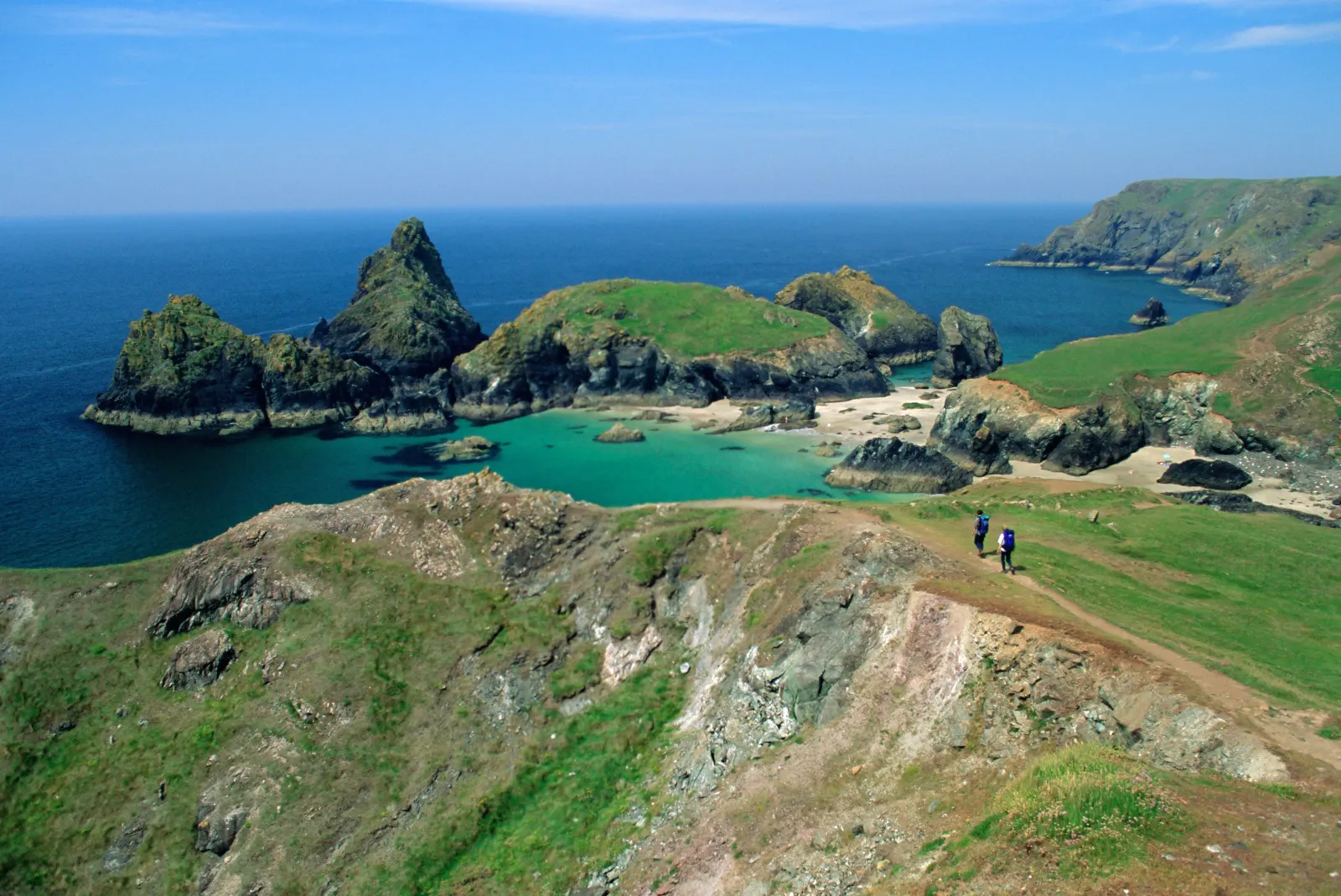
Comments
No comments yet — be the first to share your thoughts.
Leave a comment
Your email won’t be published. Comments are checked before they appear.