

35 articles
We all know the Cornish pasty – warm, pocket-sized comfort, unmatched in savour and flavour etc – but if you stop there, you’re missing a renaissance because beyond that flaky icon lies a region pulsing with living tradition, from festivals that shake the streets to a language making a spirited comeback, crafts carved from the land, maritime muscle, and modern culture. If you’re ready, let’s unroll Cornwall beyond the crust.
Seasonal Festivals
Cornwall’s year is broken up by festivals, and they’re really about the people as much as the old customs. Some come from folklore, some from faith, some just from marking the seasons, and when they happen, whole towns turn into a stage. Padstow gets dressed in flowers in May, Penzance lights its midsummer bonfires, and in each case you see Cornwall finding ways to keep its identity alive.
Visitor takeaway: If you’re in Cornwall at festival time, don’t just watch – join the parade, sing the songs, and let yourself be part of it.
Obby ’Oss (Padstow, May Day)
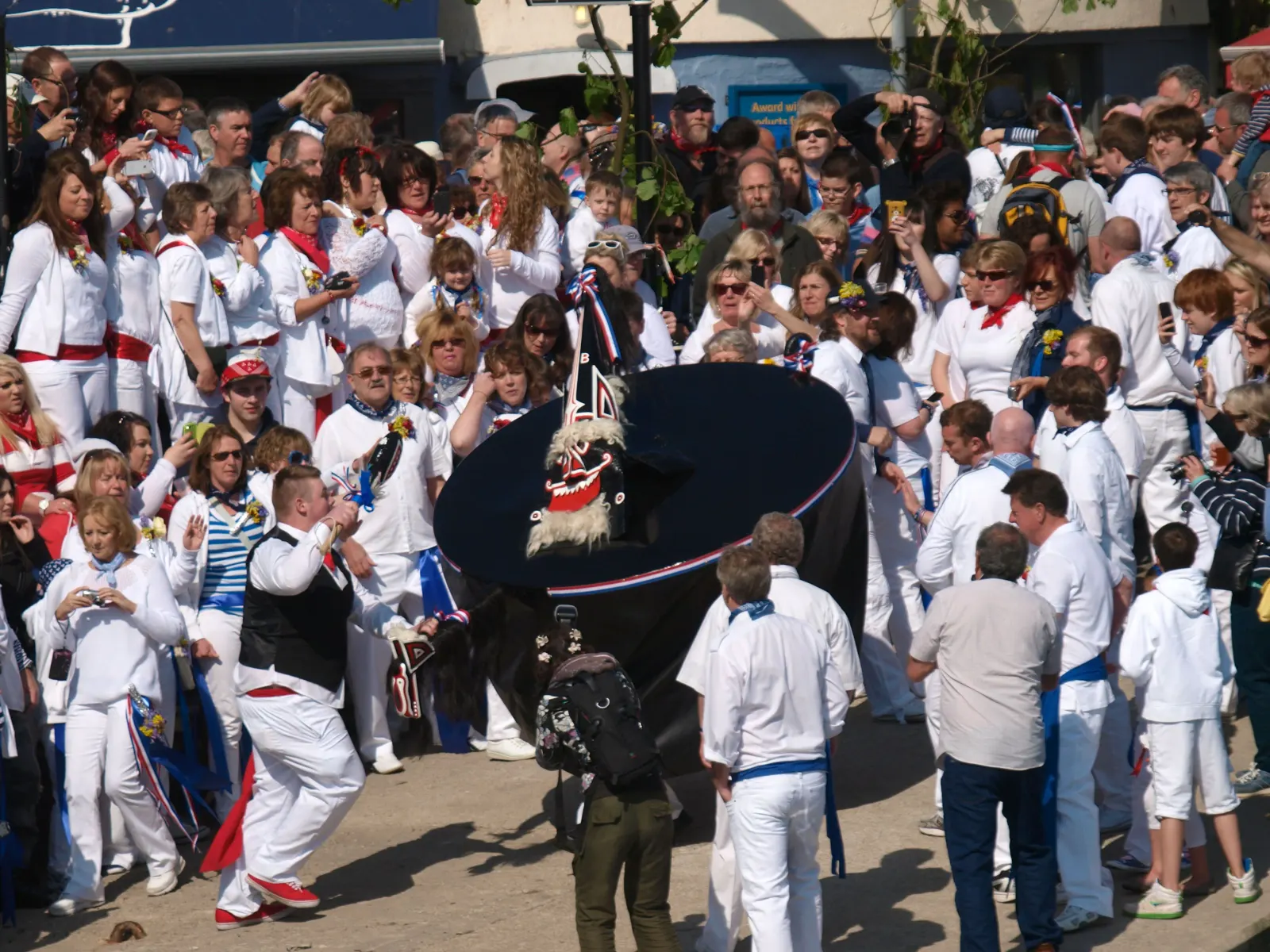
Padstow’s May Day is unlike anything else in Britain. Locals call it the Obby ’Oss,1 and for one day the usually quiet fishing town becomes a swirling stage of colour, music, and movement. From the moment the clock strikes midnight, the streets are dressed in greenery and flowers, and by dawn the two Osses – the Old ’Oss and the Blue Ribbon ’Oss – are out on parade. They sweep through the narrow lanes with masked “Teasers” darting ahead, drums pounding, and accordions driving the rhythm forward, and the Oss itself will rise and collapse in a dramatic cycle of death and resurrection before returning to its stable at night, a gesture many see as a symbol of the seasons turning. The first written mention comes from 1803, but most people actually think its roots go much deeper, especially as it’s similar to fertility rites and Celtic horse traditions that go back centuries.
Visitor takeaway: Book early if you want to stay in Padstow for May Day – accommodation fills fast.
Furry Dance (Helston, Flora Day)
Come May, Helston throws itself into Flora Day,2 and it’s hard to describe without sounding like you’re exaggerating. The whole town really does seem to move to the same tune. The band leads the way – Helston Town Band,3 who keep the melody alive without sheet music, just memory and habit – and behind them the dancers wind in and out of shops and houses, even someone’s front garden if it’s on the route. In the morning it’s the schoolchildren, hundreds of them, all in white with flowers pinned on, and later comes the midday dance where people turn out in their best suits and dresses with lily-of-the-valley in their buttonholes. There’s also the Hal-an-Tow, which is a loud, slightly chaotic performance where figures like St Michael and Robin Hood appear, along with Moorish characters and other half-remembered fragments of history. It’s messy, it’s noisy, and it’s very Helston – part spring festival, part local pride, and not really like anything you’ll find in south west England or anywhere else.
Golowan (Penzance, Midsummer)
Golowan4 in Penzance is midsummer done the Cornish way, noisy and bright and a bit chaotic round the edges. The festival as people know it now only came back in 1991, after it had been stamped out for over a century, but the older tradition was simple enough – bonfires on the hills on St John’s Eve, sparks flying into the summer sky. These days it’s much bigger. Mazey Day is the heart of it, when the streets fill with parades of enormous sculptures, serpent dances twisting through the crowds, piskies wreaking havoc, bands playing, and just about every corner of town turned into a stage. Out on the hills the bonfires still burn, tying it back to those older midsummer fires, but the feel is more carnival than solemn rite. It’s tradition remade for today, still carrying the past but not afraid to be something new.
St Piran’s Day
St Piran’s Day is held on 5th March, is Cornwall’s own day to celebrate its patron saint of miners (even though St Piran technically came from Ireland originally). The black-and-white flag shows up everywhere, in windows and on parade banners, with marches in towns like Truro and Bodmin, and schools often put on short plays or songs in Cornish, and plenty of communities mark it with music, food and speeches. What started as a miners’ day has, over the last century, grown into something wider – a public sign of Cornish identity and pride in survival.
Visitor takeaway: The best place to experience St Piran’s Day is Perranporth, where crowds march across the dunes with flags flying.
Montol (Penzance, Winter Solstice)
Montol5 is one of the Cornish festivals that takes over Penzance at the winter solstice, with masks, lanterns and plenty of noise. A Lord of Misrule gets picked and leads the way, while the crowds follow bands and dancers through the streets. It isn’t actually that old in its current form – it was brought back in the early 2000s – but the feel comes from older Cornish midwinter customs. The Yule log is still chalked up with marks before being burned, and the guise dancing, half eerie and half playful, ties it back to those older traditions.
Cornish Music and Dance
Cornwall’s music still carries the sound of its Celtic roots and working-class life. Folk songs and dances were once an ordinary part of evenings at home or gatherings in the village, and the so-called “jobbing tunes” were played at weddings, harvest suppers and fairs, and a lot of those melodies are still around, passed on by ear and picked up by traditional musicians today.
Visitor takeaway: Look out for free choir or brass band concerts; they’re common in village halls and churches.
The Furry Dance
The Furry Dance6 is really as much about the tune as the steps, with the Helston Town Band keeping it alive year after year, never needing written music. Carols from places like St Day or Padstow have their own twist too, layered harmonies that don’t sound quite like anything from elsewhere in England. And in the mining towns, male voice choirs and brass bands took hold in the nineteenth century and, despite the industry’s decline, they’re still part of the community fabric now.
Modern Ideas
More recently, new festivals have breathed extra life into these traditions, and a great example is the Falmouth Sea Shanty Festival,7 which packs the town each summer with hundreds of singers, including all-female collectives and LGBTQIA+ choirs. The words are mostly the same, but the way they’re sung is different, modern even, and somehow it still feels Cornish through and through.
Language Revival
Welsh might be the least scarce Celtic language, but Cornish, or Kernewek, was declared extinct in the 18th century when Dolly Pentreath8 was said to be the last native speaker. Yet revival began in 1904 with Henry Jenner’s Handbook of the Cornish Language,9 and today, Cornish is officially recognised as a minority language, and UNESCO has reclassified it from “extinct” to “endangered”.10
Go Cornish in Schools
Cornwall Council supports the “Go Cornish” schools programme,11 with more than 9,000 children introduced to the language each year. Adult classes have also grown in popularity, boosted by online learning during the Covid-19 pandemic, and the Cornish Language Strategy 2015–202512 sets out ambitions for the expansion of Cornish into signage, public services, and cultural life.
Singer Gwenno Saunders
Singer Gwenno Saunders13 has probably done more than anyone to put Cornish out in the world. Her album Le Kov, back in 2018, was sung completely in the language and somehow ended up on the Mercury Prize shortlist, which no one really expected. In 2025 she turned up in local schools, getting kids to sing in Kernewek and laugh their way through it, showing it doesn’t have to feel old or difficult. It isn’t just something for the archives anymore – the language is being used, played with, even shouted about, part identity, part politics, part fun.
Crafts and Artisans
Craft in Cornwall comes straight out of the ground. The mines may be shut, but tin still turns up in jewellery, including rings, pendants, and little crosses, like the pieces made by the South Crofty Collection.14 They’re small things, but heavy with meaning, carrying the story of the county’s mining past.
Pottery has its own story. St Ives in west Cornwall turned into a centre in the 20th century when Bernard Leach and Shoji Hamada set up shop there. The Leach Pottery15 is still going, teaching new potters, proof that Cornwall’s role in the wider craft world never really faded.
Visitor takeaway: Pick up a piece of Cornish craft to take home; it’s one of the most authentic souvenirs you’ll find.
The Celtic Influence
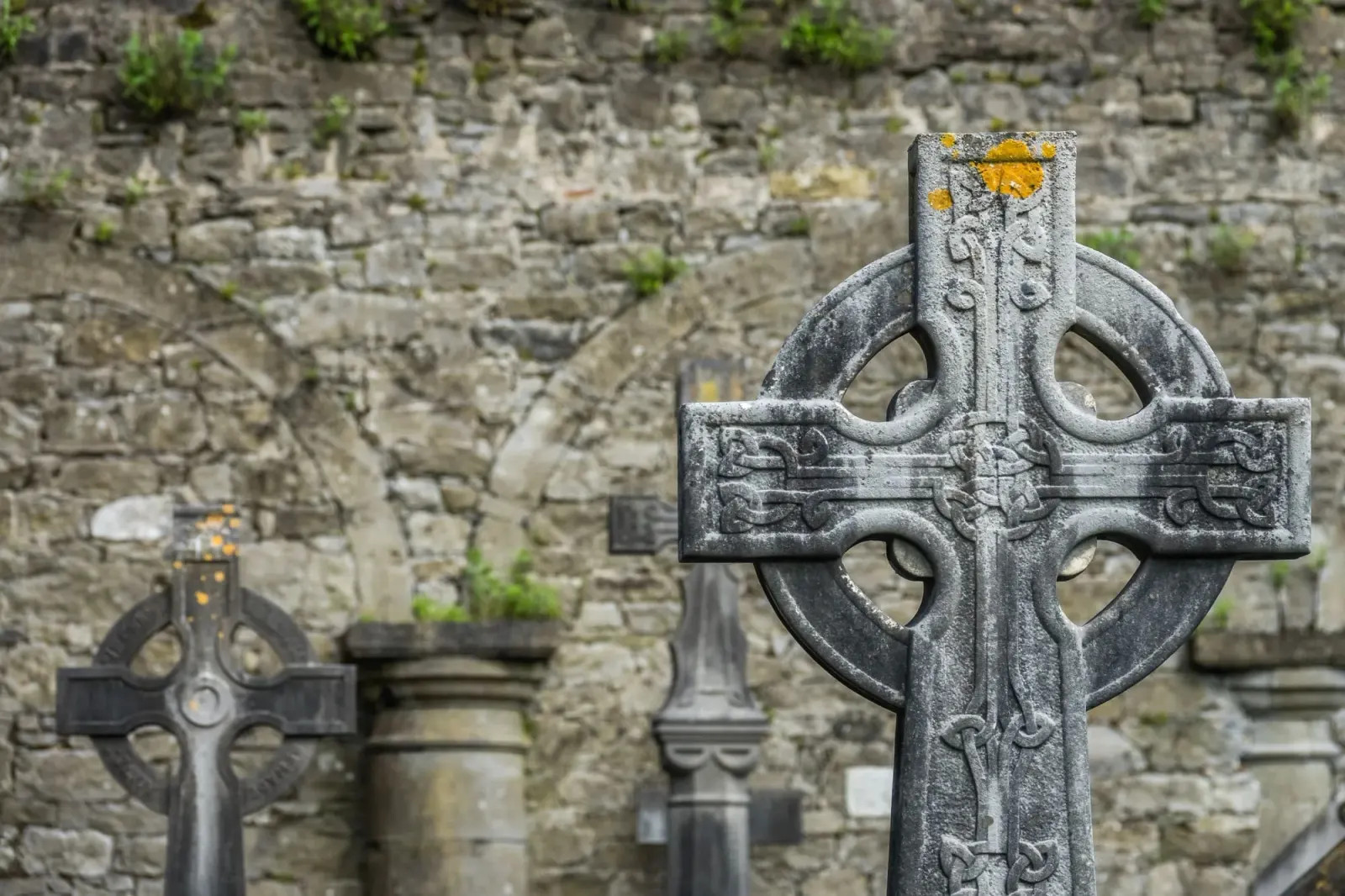
And you can’t miss the Celtic touch either. Knotwork patterns, carved crosses, textiles with old designs running through them. Markets and galleries – the Cornwall Crafts Association for one – are full of makers putting old and new together. It’s not frozen, not display-only. Craft here is still moving.
Maritime Heritage
Cornwall’s tie to the sea is both work and culture. Pilot gig rowing,16 once a way to get pilots out to ships, has turned into a sport, with more than ninety clubs and thousands of rowers across Cornwall and the Isles of Scilly, and regattas keep the boats on the water and keep communities close.
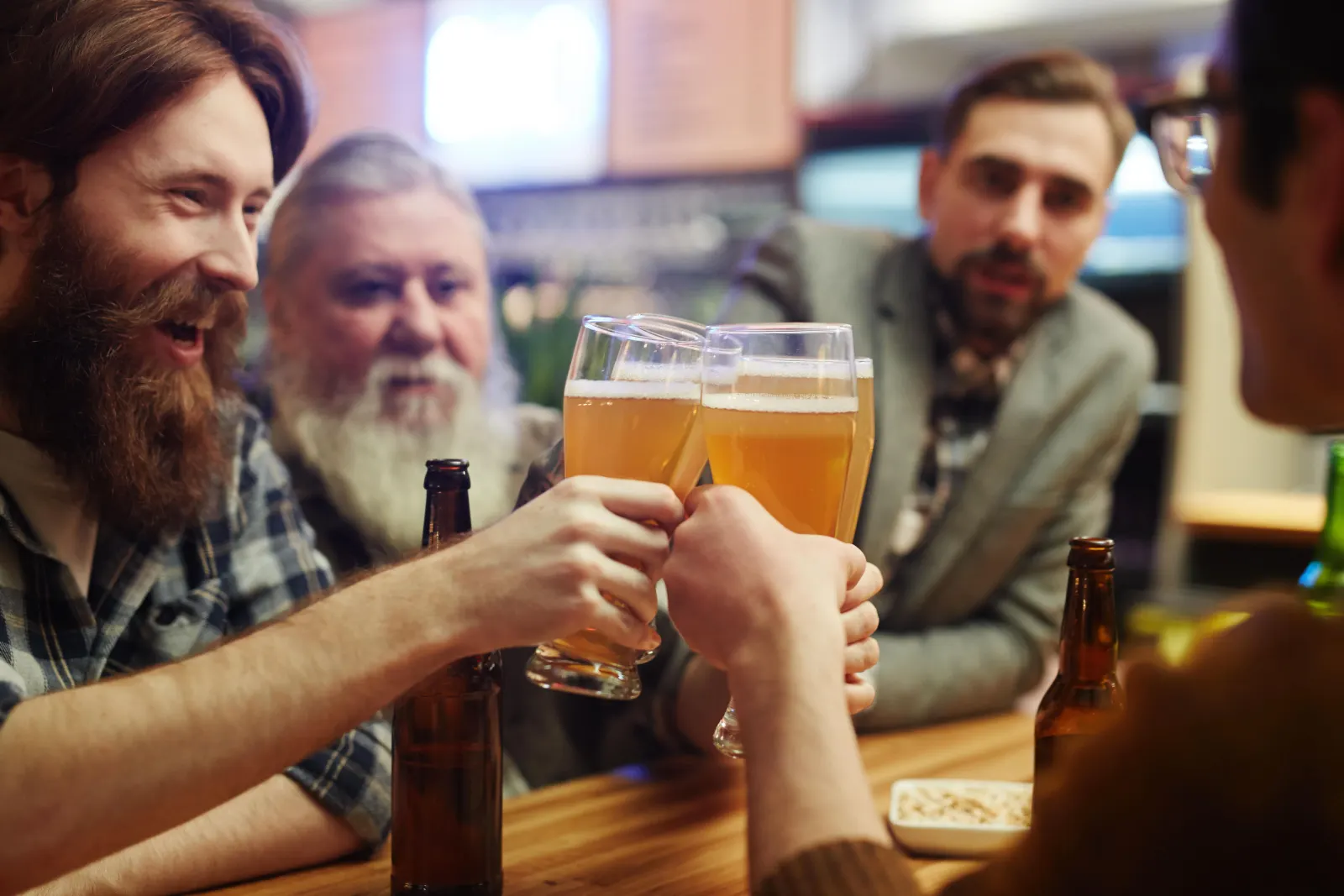
Sea shanties, once for hauling ropes on the Cornish coast, now fill pubs and streets, and the Falmouth International Sea Shanty Festival brings singers from everywhere, and local groups twist the old songs to fit new crowds. And lifeboats are also part of the picture, with RNLI stations scattered along the coast showing that the sea here is still both livelihood and danger.
Fishing has shrunk but not vanished. In Newlyn and Looe, for example, boats still land their catch, and festivals keep the link between fish, song, and community alive. Maritime culture in Cornwall isn’t gone – it’s everyday life, still shaping the coast.
Sacred and Ancient Sites
Cornwall’s landscape is full of ancient monuments that carry both history and folklore. Men-an-Tol,17 a Bronze Age holed stone near Morvah, is linked with healing, once used by passing children through to cure illness, and the Merry Maidens stone circle18 near St Buryan, said to be dancers turned to stone, shows how old sites keep their stories – and that’s just two examples.
Holy wells add to this sacred map. St Madron’s well19 near Penzance was long thought to heal, with visitors leaving clouties (bits of cloth) on nearby trees. Many of these wells still attract pilgrims today.
In other words, they’re not just ruins; these places sit inside stories and rituals, and even modern pagan practice, reminders that Cornwall’s sacred landscape is still alive.
Visitor takeaway: Visit early morning or evening for a quieter experience – many of these sites are more powerful without the crowds.
Modern Expressions
Cornwall isn’t only keeping old customs, it’s also making new ones, and a great example is surfing on the north coast,20 around Newquay and Polzeath, which has become one of the county’s modern identities, mixing sport, youth culture and a bit of environmental edge.
Eco-communities have grown too. Places like Keveral Farm21 near Looe bring together organic farming and communal living, showing how old ideas of land use can meet new concerns about sustainability.
Food is another space where tradition and change sit side by side. The pasty is still here, and so are cream teas, but so are Michelin-starred restaurants, farm-to-table chefs, and older recipes like saffron buns and fairings coming back again. And festivals such as the Looe Weekender,22 now run by locals instead of outside promoters, prove that cultural heritage and life keeps being reinvented when communities take hold of it.
Conclusion
Cornwall’s culture doesn’t sit still. The pasty might be the symbol most people know, but what gives the county its real character is the way traditions are carried forward, reworked, sometimes even reinvented. A spring dance through Helston’s streets, a shanty sung in a crowded pub, children learning Cornish words in school… all of these are part of the same thread – crafts, music, rituals and food aren’t boxed up in museums; they’re lived, argued over, enjoyed.
To look at Cornwall only through its past and a favourite ancient tradition is to miss how much of it belongs to the present; it’s a place where old stones and new festivals sit side by side, where the sea is still central, and where identity is never static. Beyond the pasty, Cornwall shows what it means for culture to stay alive – messy, changing, and very much its own. And the best way to understand it is to come and see, hear, and taste it for yourself.
Article Sources
- Felicity (2022) What is Padstow’s Obby Oss festival? – Cornish Traditional Cottages, Corncott.com. Available at: https://www.corncott.com/about-cornwall/cornwall-events/padstow-obby-oss-festival/ Cornish Traditional Cottages[↩]
- Helston Flora Day | The Official Site (no date) helstonfloraday.org.uk. Available at: https://helstonfloraday.org.uk Helston Flora Day[↩]
- Helston Town Band (2025) Helstontownband.co.uk. Available at: https://www.helstontownband.co.uk/ (Accessed: 7 September 2025)Helston Town Band[↩]
- Home – Golowan (2024) Golowan. Available at: https://golowanfestival.org Golowan Festival[↩]
- Montol Festival (2023) Montolfestival.co.uk. Available at: https://www.montolfestival.co.uk Montol Festival[↩]
- The Helston Furry Dance (2025) Timetravel-britain.com. Available at: https://www.timetravel-britain.com/articles/history/helston.shtml Time Travel Britain[↩]
- Falmouth International Sea Shanty Festival (no date) Falmouth International Sea Shanty Festival. Available at: https://www.falmouthseashanty.co.uk Falmouth International Sea Shanty[↩]
- Dolly Pentreath – The last native speaker of the Cornish Language (2016) Cornwall Guide. Available at: https://www.cornwalls.co.uk/history/people/dolly_pentreath.htm Cornwalls.co.uk[↩]
- A Handbook of the Cornish Language | (2025) Cornwall For Ever! Available at: https://www.cornwallforever.co.uk/history/a-handbook-of-the-cornish-language Cornwall For Ever![↩]
- BBC News (2010) ‘Cornish language no longer extinct, says UN’, 7 December. Available at: https://www.bbc.co.uk/news/uk-england-cornwall-11935464 BBC News[↩]
- Go Cornish – get into the Cornish language revival (no date) Go Cornish. Available at: https://gocornish.org Go Cornish[↩]
- Cornish Language Programme – Cornwall Council (no date) www.cornwall.gov.uk. Available at: https://www.cornwall.gov.uk/parks-leisure-and-culture/the-cornish-language/cornish-language-programme Cornwall Council[↩]
- Morris, S. (2025) ‘The language is part of my life’: Gwenno shares songs in Cornish to inspire new generation, the Guardian. The Guardian. Available at: https://www.theguardian.com/uk-news/2025/jun/08/the-language-is-part-of-my-life-gwenno-shares-songs-in-cornish-to-inspire-new-generation The Guardian[↩]
- South Crofty Collection (2025) South Crofty Collection. Available at: https://www.southcroftycollection.co.uk/ (Accessed: 7 September 2025) South Crofty Collection[↩]
- The Leach Pottery (no date) The Leach Pottery. Available at: https://www.leachpottery.com Leach Pottery[↩]
- ClaireCPGA (2025) Home, GigRower. Available at: https://www.gigrower.co.uk/ (Accessed: 7 September 2025) Gigrower[↩]
- Men-An-Tol (2010) Cornwall Guide. Available at: https://www.cornwalls.co.uk/history/sites/men_an_tol.htm Cornwalls.co.uk[↩]
- Merry Maidens Stone Circle (no date) Cornish Ancient Sites Protection Network. Available at: https://cornishancientsites.com/ancient-sites/merry-maidens-stone-circle Cornish Ancient Sites Protection Network[↩]
- Madron Well (2010) Cornwall Guide. Available at: https://www.cornwalls.co.uk/history/sites/madron_well.htm Cornwalls.co.uk[↩]
- Surfing – Newquay (2016) Visitnewquay.org. Available at: https://www.visitnewquay.org/things-to-do/water-sports/surfing Visit Newquay[↩]
- Keveral Farm – Organic Farming Community (2019) Keveral.org. Available at: https://www.keveral.org/ (Accessed: 7 September 2025) Keveral Farm[↩]
- Looe Weekender 2025 (2025) Welcome to Looe & Polperro. Available at: https://welcometolooe.com (Accessed: 7 September 2025) Welcome to Looe & Polperro[↩]
Frequently Asked Questions
Cornish traditions mix May Day parades, mining songs, and cliff-stomping giants. Pubs echo with sea shanties, pasties bake the old way, and piskie tales linger. Some customs are ancient, others revived, but together they keep Cornwall rooted in its past.
Cornwall’s own rich and unique culture blends Celtic roots with fishing, farming, and mining traditions. The Cornish language is being revived, alongside festivals and music unlike the rest of England. Old and new together create a distinct identity that truly matters to people here.
In Cornwall, fairies are called piskies or spriggans. Piskies are playful tricksters, leading travelers astray on misty moors, while spriggans guard stones and hidden treasure. These tales have been told for generations and still echo today in local stories and folklore gatherings across the county.
Cornish culture is rooted in Celtic history yet always evolving. New festivals, foods, music, and the revived language keep it alive. Cornwall’s separation from England allowed unique growth, blending old traditions with fresh ones. That mix of deep roots and ongoing change makes it truly distinct.
Cornwall is most famous for its Cornish pasties, a traditional savoury pastry filled with meat, potatoes, swede, and onions. Other dishes exist, like Stargazy Pie, but none rival the pasty—practical, hearty, and the most iconic symbol of Cornwall’s food tradition, recognised far beyond the county.
Yes, Cornish people and culture are distinct from the rest of England. Cornwall has its own Celtic heritage, language (Cornish), music, and traditions, including unique festivals and cuisine. While part of England politically, Cornwall’s history and identity give it a strong regional character that stands out culturally.
Stargazy Pie, from Mousehole, is a Cornish fish pie where the heads poke through the pastry, gazing skyward. It’s baked on Tom Bawcock’s Eve each December, honoring the fisherman who braved stormy seas to bring back food. The pie keeps that story alive in local tradition.
Kernow (Cornwall) is unique for its Celtic heritage, stunning coastline, historic fishing villages, and distinct culture. From the Cornish language and traditions to iconic foods like Cornish pasties, Cornwall stands out as a region with a strong identity and scenic charm unlike anywhere else in England.
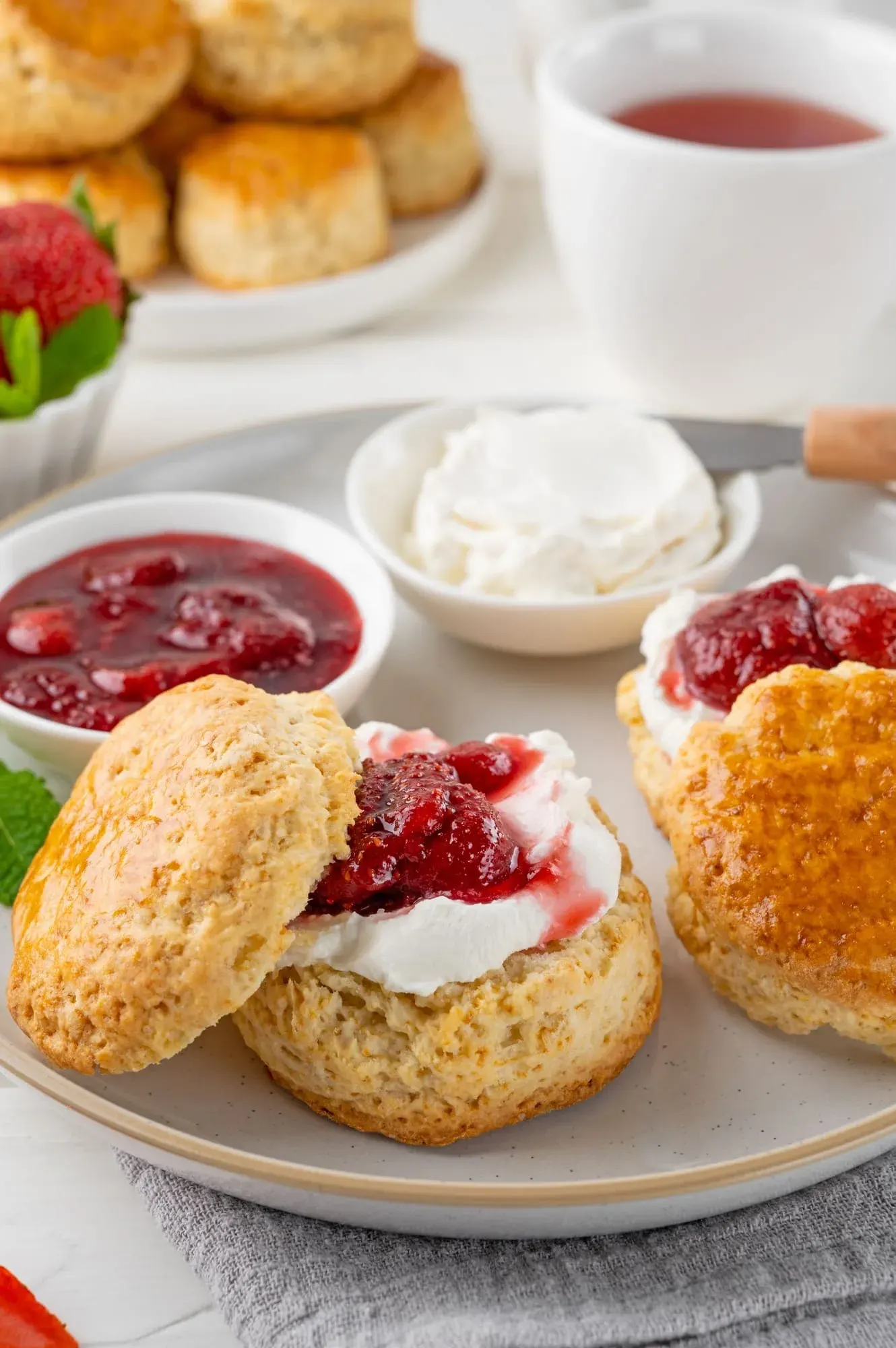
Clotted cream is thick, rich, and spoonable, made by gently heating full-fat milk to form a golden crust. Unlike regular cream, Cornish clotted cream has a unique taste and texture and is central to a cream tea—always spread on the scone before adding jam.
Cornwall hosts many unique festivals: Obby ’Oss in Padstow on May Day, Helston’s Flora Day in spring, Golowan in Penzance at midsummer, and Montol in December for the solstice. St Piran’s Day in March celebrates the patron saint of miners with parades and flags, marking Cornwall’s national day.
Padstow’s Obby ’Oss, a famous May Day festival, fills the town with flowers and greenery. Two hobby-horses parade through the streets with dancers, singers, and drums, followed by locals all day singing traditional songs. Vibrant, noisy, and unique, it remains one of Britain’s most distinctive folk celebrations.
Cornish traditions date back over a thousand years, rooted in Cornwall’s Celtic heritage. Many customs, festivals, and folk practices have been preserved from medieval times and earlier, reflecting the region’s unique culture, language, and identity that sets it apart from the rest of England.
Written by
Lisamarie is a writer and researcher with a long-standing love for Cornwall – its towns, coastlines, folklore, and everything in between. Most of her work involves blogging and articles, often focused on places and people, which pairs neatly with her fiction writing since both sides of her work let her balance research with imagination (and indulge a fondness for obscure facts). She lives with her husband, daughter, and a cat called Cheryl in a cottage in the Kent countryside, where she writes, paints, and watches horror films.
35 articles published on Cornwall.co.uk
Read more from Lisamarie Lamb →
Comments
No comments yet — be the first to share your thoughts.
Leave a comment
Your email won’t be published. Comments are checked before they appear.