

35 articles
Cornwall gets to people in ways you only notice after you’ve left and it softens the edges that cities sharpen, which is why so many short breaks turn into one-way tickets. Trading train platforms for sea views sounds easy enough, but living here isn’t the same as drifting through a holiday because although the cream teas and beach walks are real, so are the everyday details.
If moving to Cornwall in 2025 is something you’re considering full-time, it’s worth getting a feel for the practical side, like jobs, housing, schools, and daily life including the cost of living, before you make it home.
A Different Pace of Life in Cornwall
Cornwall moves at its own pace, and no one’s in a rush1 – timetables actually seem to bend around the tides. You’ll find that a morning in St Ives isn’t about sprinting for a train, and instead it might be a walk along Porthmeor Beach or a quick surf before work.2 Shops close earlier, tradespeople take their time, and neighbours actually stop to talk. At first, that might feel strange, especially if you’re use to city life, but slowly it just becomes normal, and you’ll realise you’re checking your watch less, talking a bit more, and breathing a bit deeper.
Life in Cornwall: Easier, Slow, More Human
Life in Cornwall has fewer expectations and more time for people and place. Community matters. But it’s good to know that slower way of living doesn’t mean nothing happens and there’s no excitement – it just means it all happens with a but more patience. And in exchange, you get space, sea air, and a kind of quiet that doesn’t exist anywhere else.
By the Numbers: Cornwall at a Glance
- Population aged 65+: around 26% (forecast to rise to 28% by 2030)3
- Self-employment rate: 23.6%, reflecting strong remote work trends4
- Unemployment: Roughly 2.7%5
- Average house price (July 2025): £283,0006
- Average private rent (August 2025): £982 per month6
Cornwall has an older, self-reliant population, with many small business owners and remote workers. It’s a mix that absolutely suits its rural and coastal geography perfectly.
The Best Places to Live in Cornwall
There’s no single ‘best’ place to live here – Cornwall’s a patchwork of harbour towns, inland villages, surf spots, and quiet communities, each with its own character. Choosing where to live is really about what kind of life you want rather than a checklist.
St Ives: The Iconic Harbour Town
If Cornwall had a postcard town, it would be St Ives. Pastel cottages hug the shoreline, the light hits everything just right (and the artists definitely know about it), and the sea is never more than a short walk away. But in summer, the same streets that feel peaceful in winter can be packed shoulder to shoulder. House prices are higher than average, with many homes pushing up past £1,000,000 thanks to the holiday let boom,7 but mornings with gulls and soft light over the harbour are hard to beat.
Truro
Cornwall’s only city isn’t hectic, and another plus is that Georgian terraces, a cathedral, a proper high street and good transport links make Truro one of Cornwall’s most practical bases. Houses prices are about £340,000 on average,7 and with good secondary schools8 and the nearby Royal Cornwall Hospital at Treliske,9 you really do have everything you need.
Falmouth
Falmouth blends a working harbour with a lively creative scene that’s been made what it is by students (it’s home to the Falmouth Marine School), sailors, and artists. Its high street is buzzing all year round thanks to cafes, record shops, and galleries, and it’s popular with remote workers too, thanks to its reliable broadband. Houses prices are about £420,000 on average,10 and although that’s certainly not cheap, it is more affordable than other areas.
Other Notable Areas
- Bodmin and Launceston: inland, more affordable, and with a strong local community feel.
- Padstow and Newquay: foodie and surfer favourites, with prices to match.
- Penzance and St Austell: good transport links, popular with retirees.
- Redruth and Camborne: more budget-friendly, with rich Cornish mining history.
The Cornwall Property Market 2025
The Cornwall property market11 has changed dramatically over the last decade, and seaside towns once seen as affordable now sit closer to London commuter belt prices. Second homes and holiday lets have squeezed supply, especially in summer, and renting can be competitive. However, for those moving from more expensive parts of the country, Cornwall can certainly still offer good value, but it will take some planning to get it right when it comes to your budget.
More affordable inland areas like Redruth, Cambourne, and Launceston offer lower prices and rental rates for your new life, but bear in mind that moving more inland and to more rural areas does mean you’ll need a car, which could offset the savings.
Top tip: Working with local estate agents in the south west can give you an edge, as they’ll often know what’s coming up before it’s online.
Community and Culture: Belonging in Cornwall
Cornwall has a strong sense of identity – part Celtic heritage, part modern community – and people have deep roots here, so it takes a little time to become part of things. The trick is really very simple: show up. In other words, go to local events,12 buy from small shops, and say yes when someone asks you for a pint. The fact is, people in Cornwall notice effort.
Demographics That Shape Daily Life
- 25-30% of residents are over 65,13 giving daytime a strong community feel.
- Most Cornish towns have farmers’ markets and heritage groups.
- Beach cleans, village fetes, and volunteer groups are a big part of daily life.
Jobs and Working Life in Cornwall
Cornwall’s job market is smaller than in big cities, but remote work has opened a lot of doors. Plus, around a quarter of people in Cornwall are self-employed, often running creative or digital businesses from home.
Tourism, healthcare, education, and marine industries are major employers, and you’ll find plenty of co-working spaces (and more being added) in towns like Truro and Falmouth, for example, where the Wi-Fi can be a bit more reliable.
Schools and Education in Cornwall
Schools in Cornwall tend to have a good reputation, especially in Truro, Falmouth, and Wadebridge. Smaller village primaries are often close-knit, and secondary schools score well on Ofsted.14 In fact, many families actually choose their location around schools first and house hunt second.1
Healthcare in Cornwall
The range of Healthcare and its general provision is good, but it can be a bit stretched in more rural spots. The Royal Cornwall Hospital in Truro9 is the main acute site, with community hospitals in Hayle and Penzance. For specialist care, Plymouth and Exeter are a couple of hours away (and involve crossing boundary lines), so if you need to see someone for regular appointments, living near a larger town makes sense.
Cost of Living in Cornwall
The cost of living in Cornwall can surprise people at first. Housing is the big one, and that’s followed by transport and deliveries. Rural life usually means more driving, which is going to add to your monthly budget, and some things cost a bit more to get here. But on the other hand, many people find they spend less overall because life is slower, there’s less pressure to go out and spend, and the scenery is always free.
See: The Best Free Things to Do in Cornwall (Local Guide)
Cornwall Cost of Living 2025 Snapshot
- Houses prices: £283,000 (UK average £292,000
- Private rent: £982 per month
- Fuel and transport: Fuel prices per litre tend to be slightly higher in rural areas (often 1-2p more), and combined with longer travel, households can spend around 20% more on transport than urban counterparts.15
Cornwall isn’t exactly cheap, at least not compared to some other areas of the UK, but that price gets you a better quality of life, and that’s something that’s pretty much invaluable.
Transport in Cornwall
Transport’s one of those things you really need to think about before packing up and moving. The A30 is the main artery through the county, and train lines connect Truro, Penzance, St Austell, and Bodmin Parkway to the wider UK, including Exeter, Bristol, and London Paddington. However, once you’re off those routes, things slow down, and the reality is that most people need a car for day-to-day life, especially when they’re living inland.
What’s Changed Recently
- The A30 Chiverton–Carland Cross dualling opened in June 2024, removing the last single-carriageway pinch point on the trunk route and improving journey reliability across the county.17
- Cornwall’s bus network publishes open GTFS data; rural frequencies remain limited outside key corridors, especially evenings/weekends.16 Owning a car is advisable for day-to-day life.
Retiring to Cornwall
Retiring to Cornwall is an idea that’s been popular forever, or so it seems. The mild climate, coastal scenery, and close-knit communities make it a favourite for those looking for a slower pace of life.
Popular Areas for Retirees
- Roseland Peninsula: quiet and scenic but also close to Truro’s amenities.
- Falmouth and Hayle: walkable, with strong community networks.
- Penzance and St Austell: affordable with good transport links and shops.
Living in Cornwall Pros and Cons
Pros
- Stunning scenery including beaches, moors, and coast paths everywhere
- Friendly, tight-knit communities
- Slower pace of life and excellent outdoor lifestyle
- Great for working remotely in Cornwall and retirees
- Strong sense of place
Cons
- High housing demand and second homes
- Smaller job market
- Limited public transport
- Wild winter weather
- Fewer big city amenities
Things to Think About Before Moving to Cornwall
- You’ll likely need a car
- Experience Cornwall all year round (visit in all seasons)
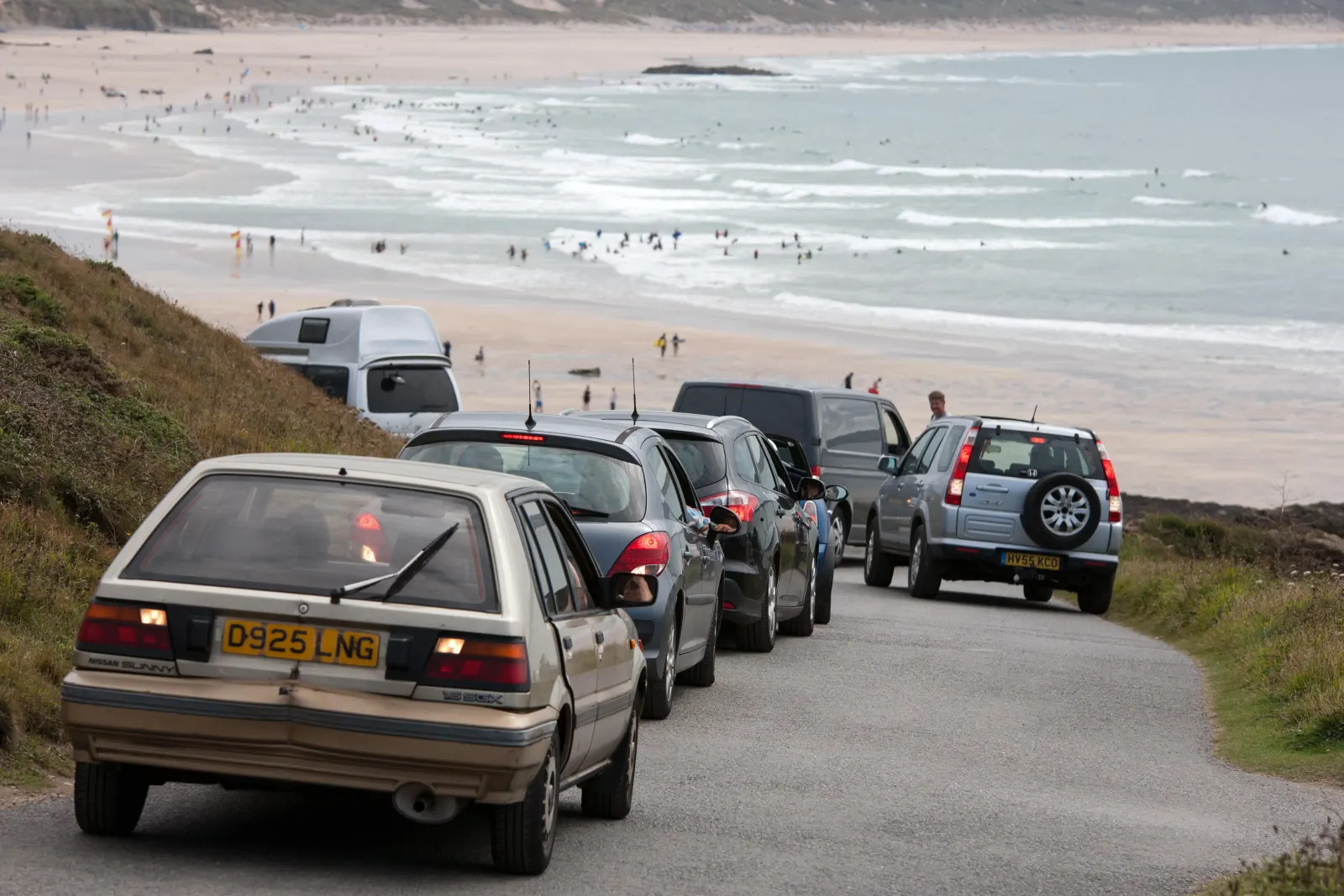
- Tourism brings energy and congestion
- Bring remote work if possible
- Act early on housing
- Get involved in the community
Why People Still Make the Move to Cornwall
Even with housing pressures, winter weather, and tricky transport, people keep coming. Families come for good schools and a slower pace, retirees come for the sea air and a sense of belonging, and remote workers come for the right work-life balance. Cornwall isn’t perfect, but it has a way of becoming home before you even realise it.
Article Sources
- CornishStuff (2025) Cornwall Named World’s Top Destination for Slow Travel – CornishStuff. Available at: https://cornishstuff.com/tourism/cornwall-named-worlds-top-destination-for-slow-travel/ (Accessed: 12 October 2025) CornishStuff[↩]
- Surfing – Newquay (2016) Visitnewquay.org. Available at: https://www.visitnewquay.org/things-to-do/water-sports/surfing Visit Newquay[↩]
- The Cornwall We Know 2025 (no date) Celtic Nation Kernow. Available at: https://celticnationkernow.org/wp-content/uploads/2025/08/The-Cornwall-We-Know-2025.pdf Celtic Nation Kernow[↩]
- Labour Market – Cornwall Council (2021) Cornwall.gov.uk. Available at: https://www.cornwall.gov.uk/the-council-and-democracy/data-and-intelligence/census-2021/labour-market/ (Accessed: 14 October 2025) Cornwall Council[↩]
- Office for National Statistics (2024) Cornwall’s employment, unemployment and economic inactivity – ONS, www.ons.gov.uk. Available at: https://www.ons.gov.uk/visualisations/labourmarketlocal/E06000052/ Office for National Statistics[↩]
- Office for National Statistics (2024) Housing prices in Cornwall, Ons.gov.uk. Available at: https://www.ons.gov.uk/visualisations/housingpriceslocal/E06000052 Office for National Statistics[↩]
- MSN (2025) Msn.com. Available at: https://www.msn.com/en-gb/money/other/million-pound-property-explosion-cornwall-sees-biggest-increase-in-uk/ar-AA1H156W (Accessed: 14 October 2025) MSN[↩]
- House Prices in Truro (2024) Rightmove.co.uk. Rightmove. Available at: https://www.rightmove.co.uk/house-prices/truro.html Rightmove[↩]
- Locrating.com (2022) Truro, Locrating. Available at: https://www.locrating.com/the-best-Secondary-schools-in-Truro_Cornwall_England.aspx (Accessed: 14 October 2025) Locrating.com[↩]
- Home | Royal Cornwall Hospitals NHS Trust (2025) Royal Cornwall Hospitals NHS Trust. Available at: https://royalcornwallhospitals.nhs.uk Royal Cornwall Hospitals NHS Trust[↩]
- House Prices in Falmouth (2024) Rightmove.co.uk. Rightmove. Available at: https://www.rightmove.co.uk/house-prices/falmouth.html Rightmove[↩]
- Plumplot (2023) Cornwall house prices in maps and graphs. Available at: https://www.plumplot.co.uk/Cornwall-house-prices.html Plumplot[↩]
- Visit Cornwall | Holidays in Cornwall UK : Events (2025) Visitcornwall.com. Available at: https://www.visitcornwall.com/things-to-do/events (Accessed: 12 October 2025) Visit Cornwall[↩]
- Whitehouse, R. (2019) Cornwall is getting old and can’t house its ageing population, CornwallLive. Available at: https://www.cornwalllive.com/news/cornwall-news/cornwall-getting-old-doesnt-enough-3500478 Cornwall Live[↩]
- Ofsted (2024) Ofsted, GOV.UK. Available at: https://www.gov.uk/government/organisations/ofsted Ofsted[↩]
- GOV.UK (2022) Road fuel review, GOV.UK. Available at: https://www.gov.uk/government/publications/road-fuel-review/road-fuel-review GOV.UK[↩]
- Green, A. (2024) ‘A30 dual carriageway in Cornwall opens after four-year upgrade’, BBC News, 24 June. Available at: https://www.bbc.co.uk/news/articles/cq555zezryro BBC News
- Our Data (2021) Transportforwww.cornwall.co.uk. Available at: https://www.transportforwww.cornwall.co.uk/open-data (Accessed: 14 October 2025) Transport for Cornwall
Frequently Asked Questions
Cornwall offers stunning coastline, outdoor lifestyle, and a strong community vibe, making it attractive for families, retirees, and remote workers. However, high housing costs, lower wages, limited jobs in some sectors, and rural isolation are challenges to consider. Many find the pace of life and natural beauty well worth it, especially if you value coastal living and outdoor activities.
Living in Cornwall comes with high housing costs, lower wages, and limited full-time job opportunities, especially outside tourism and creative industries. Rural isolation, long travel times, and patchy mobile or internet coverage can be challenging, and healthcare access may be slower in remote areas. Despite these struggles, many residents value coastal life, outdoor activities, and community spirit.
The nicest town in Cornwall depends on what you’re after: St Ives or Newquay for the coast, Truro for convenience, Bude for beaches, and Bodmin for quiet countryside. Do your research and you’ll find the right fit and community.
Cornwall can be expensive to live in, especially for housing, as property prices and rents are high compared with local wages. Everyday costs like groceries and utilities are similar to the UK average, but tourist hotspots and coastal towns often have higher prices. Many locals balance the cost with the region’s natural beauty, outdoor lifestyle, and community life.
Before moving to Cornwall, know that housing costs are high, wages are lower than the UK average, and jobs can be limited, especially outside tourism and creative sectors. Rural isolation, slower healthcare access, and limited public transport are also factors. On the positive side, Cornwall offers stunning coastline, outdoor activities, a relaxed pace of life, and tight-knit communities.
Cornwall can be a great place for families, offering safe towns, outdoor activities, beaches, and coastal walks. Many areas have good schools and community events, but rural isolation and limited public transport can be challenging. Families often benefit from a slower pace of life, strong community spirit, and plenty of opportunities for children to explore nature.
Finding a job in Cornwall can be challenging, as the region has lower average wages and fewer full-time roles outside tourism, hospitality, and creative industries. Opportunities exist in healthcare, education, renewable energy, and remote work, but many residents rely on seasonal work or commuting to larger towns. Planning ahead and exploring remote or flexible jobs can help.
A car is highly recommended for living in Cornwall, especially if you want to access rural villages, hidden beaches, and coastal trails. While towns like Truro, Falmouth, and St Ives have public transport and walkable amenities, buses and trains are limited in remote areas, making a car essential for daily commuting and exploring the county.
Some of the best places to live in Cornwall include Truro for its shops and schools, Falmouth for its harbour and vibrant community, and Penryn for affordability and access to Falmouth University. Coastal gems like St Ives and Padstow are beautiful but pricier, while Wadebridge and Camborne offer a balance of community, services, and countryside access.
The cost of living in Cornwall is moderate to high, with housing being the biggest expense. Average rents and property prices are higher than local wages, especially in coastal towns like St Ives or Padstow. Everyday costs like groceries, utilities, and transport are similar to the UK average, but tourists and second-home demand can push up prices in popular areas.
Cornwall gets very busy during peak summer (July–August), with crowded beaches, popular towns, and heavy traffic. Coastal hotspots like St Ives, Newquay, and Padstow see the largest influx of visitors. Travelling early mornings, off-season, or to lesser-known villages and beaches can help avoid the crowds while still enjoying Cornwall’s scenery and attractions.
Cornwall is popular for retirement thanks to its scenic coastline, mild climate, and relaxed lifestyle. Coastal towns like Falmouth, St Ives, and Penzance are especially attractive. However, retirees should consider higher housing costs, rural isolation, and limited healthcare access in some areas before relocating. Many find the natural beauty and community spirit make it worth it.
Written by
Lisamarie is a writer and researcher with a long-standing love for Cornwall – its towns, coastlines, folklore, and everything in between. Most of her work involves blogging and articles, often focused on places and people, which pairs neatly with her fiction writing since both sides of her work let her balance research with imagination (and indulge a fondness for obscure facts). She lives with her husband, daughter, and a cat called Cheryl in a cottage in the Kent countryside, where she writes, paints, and watches horror films.
35 articles published on Cornwall.co.uk
Read more from Lisamarie Lamb →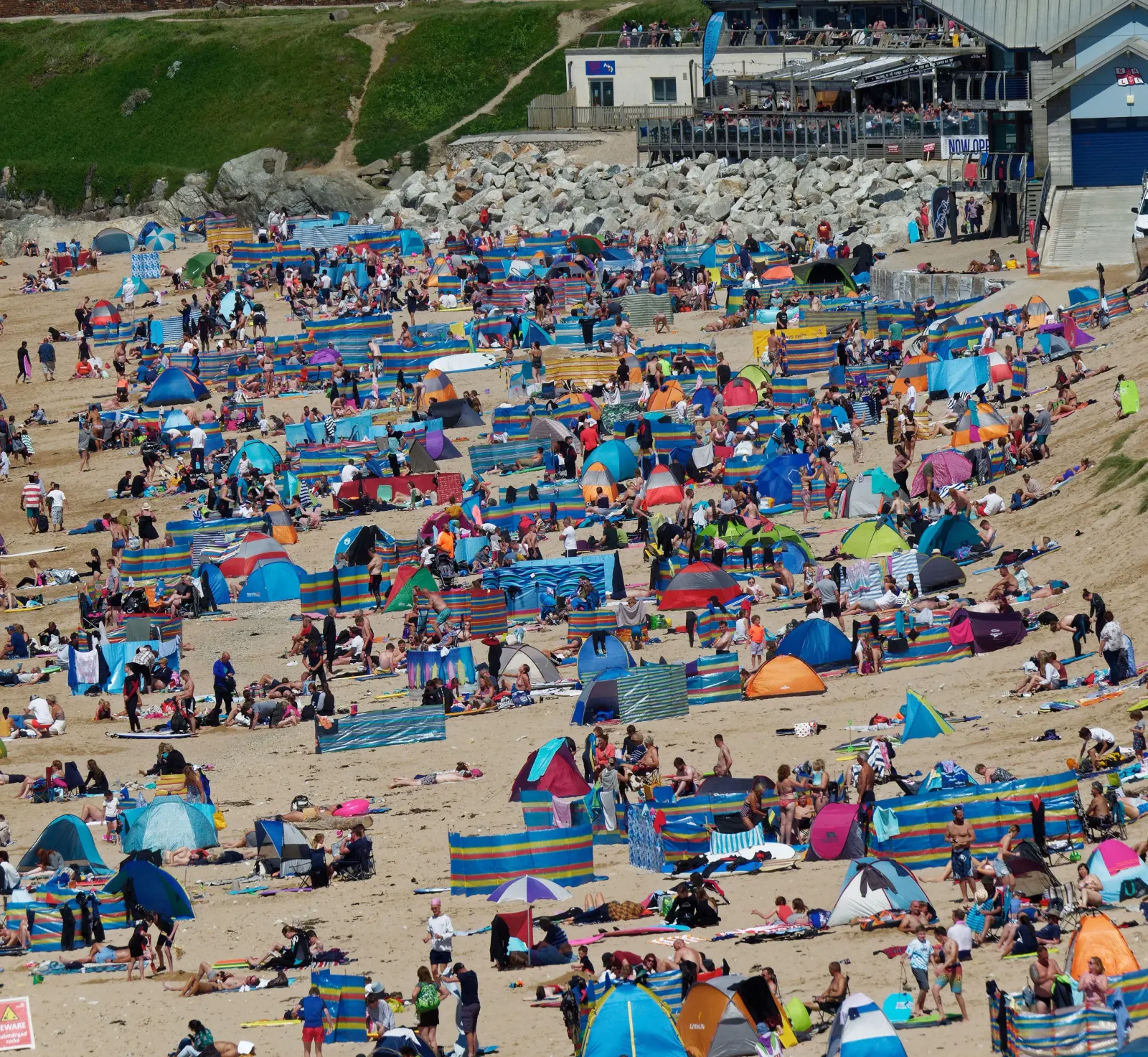



Comments
No comments yet — be the first to share your thoughts.
Leave a comment
Your email won’t be published. Comments are checked before they appear.