

13 articles
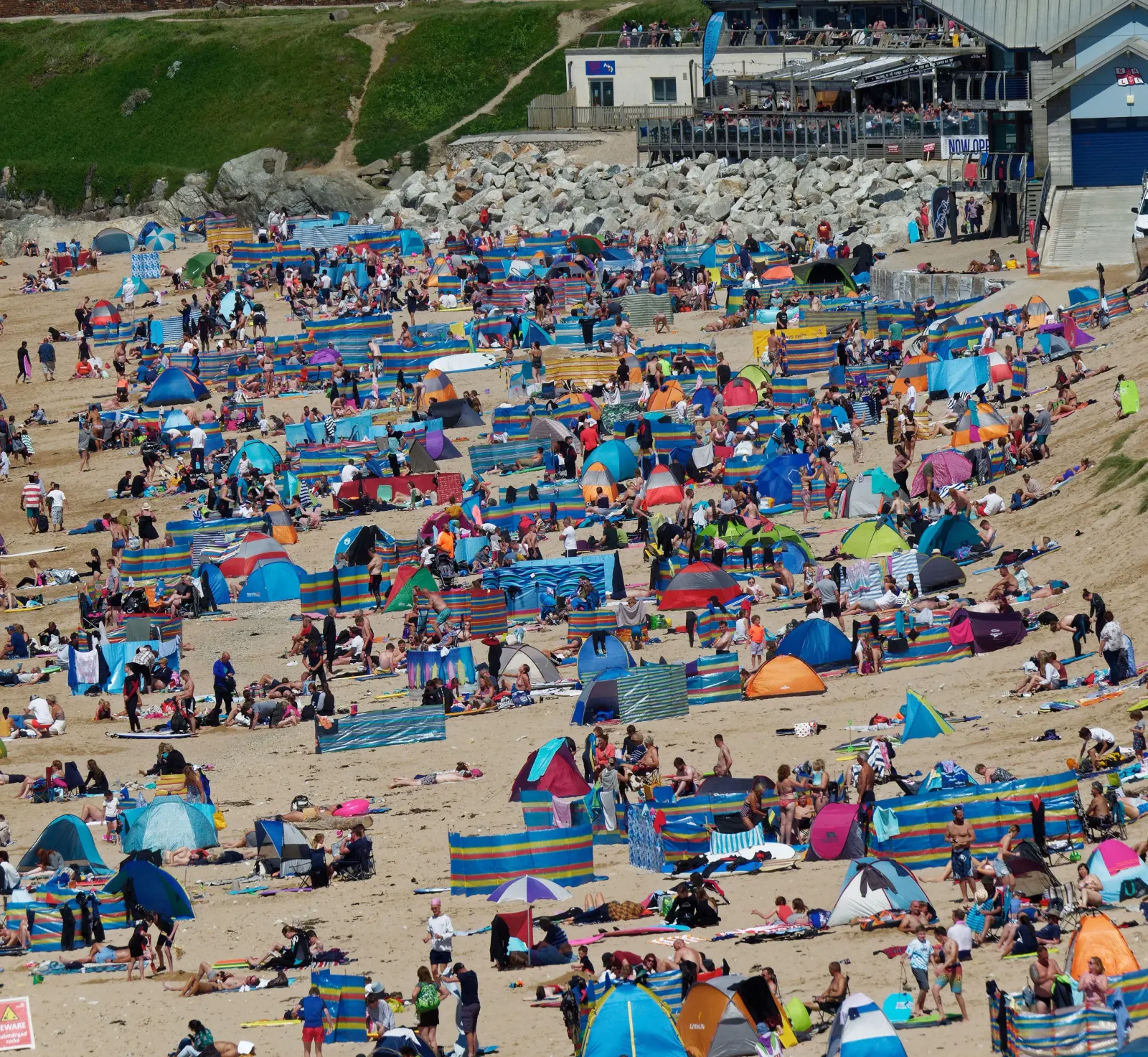
There is no denying that Cornwall is one of the best places to visit – especially during those long summer days. However, with increasing numbers of holidaymakers and an economy heavily reliant on the tourism industry some places have become tourist traps. Heavy traffic and overcrowding aren’t what you envision when you plan a relaxing nature-filled break, but in some places it’s become the reality. Here’s where to avoid and where to go instead – particularly during the summer holidays.
Cornwall’s most popular visitor attractions
Let’s start off with Cornwall’s most popular visitor attractions, where you’ll rarely see a Cornish person in the summer (or sometimes ever). Many of them are overhyped, or simply overwhelming when there are too many people there.
Lizard point instead of Lands End
For the life of me I can’t understand why Land’s End remains one of Cornwall’s most visited spots. I’m joined by many in thinking the attraction itself is overly commercialised compared to the wild beauty of the surrounding headland. The overpriced car park also cements its reputation as a tourist trap. Earlier this year I went to Lizard Point (the most southerly point in Great Britain), which I’m now convinced is a much better alternative. It’s run by the National Trust, provides fantastic wildlife watching opportunities and is in many ways prettier.
- Grid reference: SW 70115 11496
- What3words: ///kicked.fewer.convey
Cornwall’s subtropical gardens instead of the Eden Project
Up near the top spot of Cornwall’s most popular attractions is the Eden Project, where two huge glass biomes house over 2 million plants from around the world. Capturing the imaginations of wildlife enthusiasts, horticultural fanatics and those looking for a day out with the whole family, it is also one of the top eco-attractions in the UK. However, it can get overly busy there with over 1 million visitors per year and the pricing is a bit steep.1 For a quieter alternative, I’m a huge fan of the south coast’s gardens where you’ll find open air collections of subtropical plant species from around the world which thrive in Cornwall’s mild microclimates. Amongst the best are Trebah Garden near Falmouth and Tremenheere Sculpture Gardens near Penzance.
- Grid reference: SW 76879 27626
- What3words: ///pegs.film.hotels
St Michael’s Mount from afar
The magical St Michael’s Mount is like something out of a fairytale – an ancient castle perched upon an island in the middle of the sea. However, once you’re on the island itself it can be a little underwhelming. That’s not to say there aren’t interesting things to discover – getting a view of Napoleon’s coat worn at the Battle of Waterloo is incredible for fans of history. But for most, you can appreciate St. Michael’s Mount and all its majesty better from a distance. My favourite viewpoints are from the elevated position of Tremenheere Garden, or whilst walking the coastal path from Penzance to Marazion.
- Grid reference: SW 49553 32170
- What3words: ///headline.clown.remission
Restormel Castle instead of Tintagel Castle
Made famous by the Legend of King Arthur, Tintagel has exploded in popularity since the 19th century. In summer, you can expect to join up to 3,000 other people there on any given day.2 However, many who arrive are surprised to discover that whilst the views are amazing, very little remains of this 13th century castle. Most of its allure comes from the clifftop views and the conjuring of your imagination. For a more impressive fortress, with a fascinating – and genuine – history of its own, Restormel Castle is a great alternative option. You’ll discover a near-perfect circular keep with plenty of standing walls overlooking the River Fowey and the surrounding countryside.
- Grid reference: SX 10239 61291
- What3words: ///excavated.classic.revives
Cornwall’s busiest beaches
With over 300 miles of glorious coastline, Cornwall’s beaches are a big part of its appeal.3 However, it’s much more enjoyable to spend a day on the sand when you’re not fighting for space with other people. Avoid these tourist traps and make your way to our suggested hidden gem beaches.
See: Best Beaches in Cornwall – The Ultimate Guide
Secret coves instead of Kynance Cove
Undeniably one of Cornwall’s most spectacular beaches, Kynance Cove has actually become a bit of a nightmare to visit. Its remote location and limited space in the National Trust car park can make access difficult – especially considering it’s a tidal spot which means it spends half of the day underwater. If you do visit, make sure you get their early and when the tide is going out. Or, for a much more pleasant experience, walk along the coastal path towards Lizard Point and you’ll discover quieter but still beautiful coves with far less people. In fact, I’d say looking for secret beaches in this way is once of the most enjoyable ways to explore Cornwall.
- Grid reference: SW 65941 20837
- What3words: ///possible.obliging.pothole
Trevaunance instead of Perranporth
Most people who have visited Cornwall have been to Perranporth beach. With three miles of perfect sand, beginner friendly surf and even a secret tidal pool its appeal is undeniable.4 However, with everyone piling there in the summer, finding space both on the beach and in the car park can become a bit of a struggle. Head to Trevaunance Cove in nearby St Agnes for a more relaxed ambience. There are still lifeguards, a cafe, opportunities to surf and go kayaking.
- Grid reference: SW 72139 51475
- What3words: ///survive.bicker.nuptials
Porthcurno instead of Pedn Vounder
Made famous for its dreamy pictures on Instagram, Pedn Vounder has become one of Cornwall’s most popular beaches – even though its a steep scramble down with limited access and has a reputation for rip currents. Pedn Vounder has actually been closed recently because of the instability of the coastal path. But fear not, there are plenty of other hidden gem options nearby. A great alternative is Porthcurno, where you’ll find perfectly white sand, turquoise water and easy access to the Minack Theatre. Whilst you’re there, I’d recommend watching a performance in the open air theatre – a unique venue which is carved into the rocks and seats around 700 people.5
- Grid reference: SW 38730 22252
- What3words: ///fancy.utter.history
Cornwall’s busiest areas
With over 4 million overnight visits each year and 14 million day trips, some parts of Cornwall have become increasingly busy.6 Avoid these Cornwall tourist traps and keep reading to discover quieter areas, towns and villages.
Rame Peninsula or Roseland instead of North coast
Cornwall’s north coast is a magical place, where you’ll discover Atlantic surf, some of the tallest cliffs in the South West and fiery sunsets melting into the sea. However, it’s also one of the busiest areas in Cornwall, which makes it overcrowded in the summer. For a quieter escape, make your way to the Rame Peninsula – also known as ‘Cornwall’s forgotten corner’ where you’ll discover ancient history, parkland estates and quiet Cornish coves. Another alternative and one of my favourite places to visit in the summer is the Roseland, where you’ll discover tranquil beaches and pretty fishing villages like Portscatho and St Mawes. I like to turn it into a mini road trip adventure in the van, as there are some great campsites overlooking the water (check out Treveague).
- Grid reference: SX 00197 41019
- What3words: ///sharpen.angry.digress
Coverack and Cadgwith instead of Port Isaac
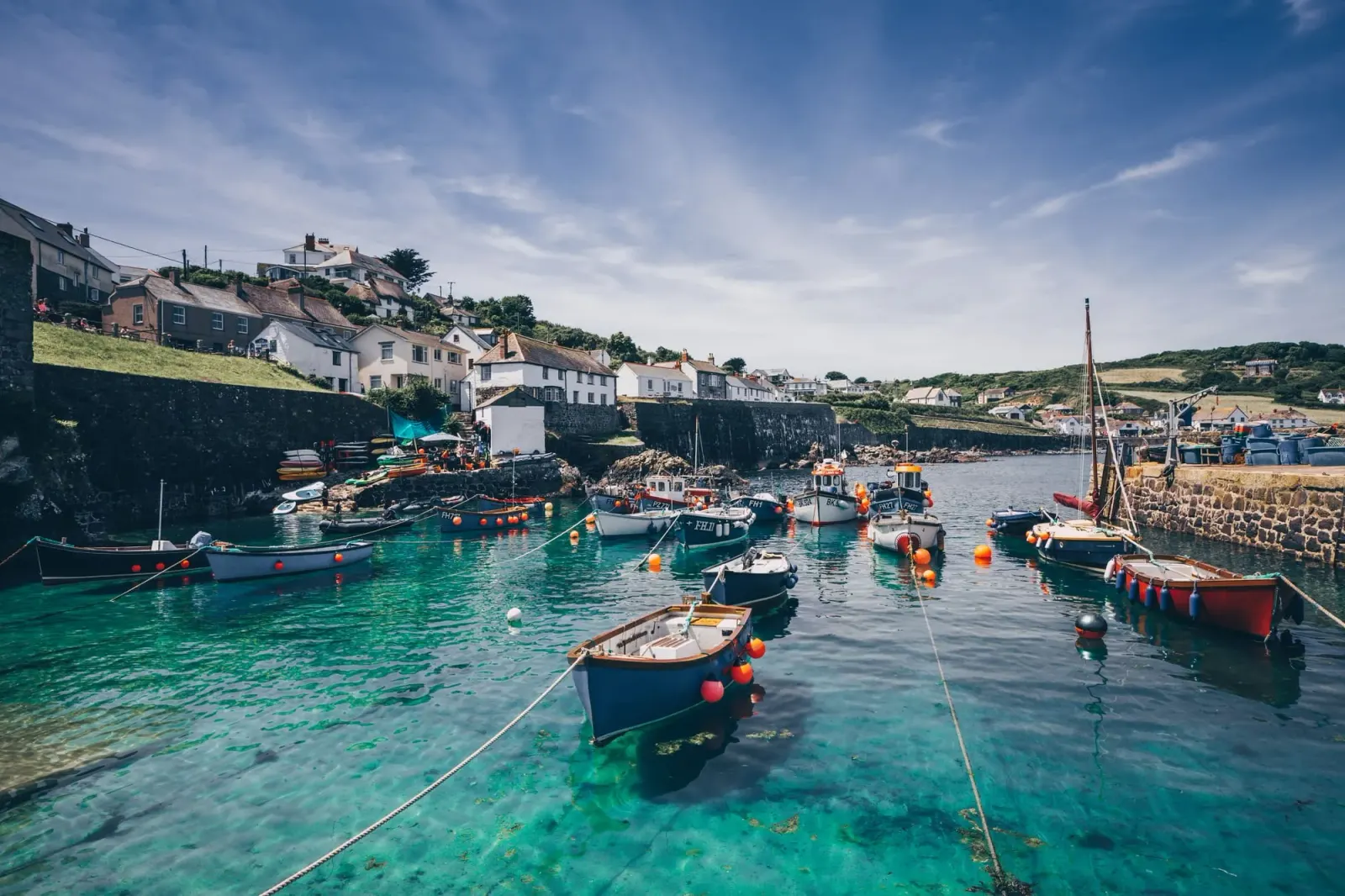
Made famous by Doc Martin, Port Isaac makes its way onto the itinerary of many who visit Cornwall. However, this once quaint fishing village has mostly been overtaken by holiday lets and second home owners. In the summer, throngs of people line its narrow streets hopping between galleries and gift shops, and in the winter it turns into a ghost town as there are few permanent residents. For a more authentic Cornish fishing village, travel south to the Lizard Peninsula to discover the beach and harbours at Coverack or Cadgwith cove. If you’re visiting Port Isaac because you’re a fan of the Fisherman’s Friends, there are regular sea shanty performances at the Cadgwith Cove Inn.
- Grid reference: SW 72179 14577
- What3words: ///folk.beakers.unionists
Falmouth instead of Padstow
One of the best things about Cornwall is the local food, including the Cornish pasty, scones with jam and cream and of course – fish and chips. But whilst Padstow has gained a reputation as the go-to place for foodies, its also become one of Cornwall’s busiest places. To avoid the crowds, whilst also having plenty of feasting opportunities, Falmouth is a great alternative option. I may be slightly biased because it’s my hometown, but I’m not alone in my love for Falmouth. Here you’ll find everything from award-winning fish and chip shops, to cosy cafes to Michelin Guide restaurants. Falmouth is also known for its watersports and town beaches, where you can enjoy swimming and kayaking. Plus, it doesn’t die down like Padstow in the winter, making it an excellent location for food any time of year.
- Grid reference: SW 81243 32391
- What3words: ///voting.cope.boats
Hayle instead of St Ives
With five beaches, a picturesque harbour lined with fisherman’s cottages and narrow cobbled streets, St Ives is a favourite spot for many visiting Cornwall. However, it’s also become a tourist trap, inundated with visitors in the summer. It’s difficult to walk along the harbour because of overcrowding and the St Ives car parks are a thing of nightmares. I used to drive there at 4am to guarantee a spot, but now I avoid it all together in the visitor season. Add to that the Airbnbs are expensive and often booked a year in advance and it suddenly becomes less appealing. My recommendation is to visit Hayle instead, where you can enjoy a more relaxed atmosphere, better beaches (especially for surfing) and easy access to St Ives for a day trip. You’ll also find St Ives Pottery School, an RSPB nature reserve and plenty of mining history.
- Grid reference: SW 54264 35643
- What3words: ///paying.giving.inspects
Moorland instead of coastline
To escape the crowds in Cornwall, head inland to Bodmin Moor. Here, wild landscapes stretch out beneath open skies, dotted with grazing livestock, and miles of quiet hiking trails. There’s plenty of history, with Bronze Age burial cairns, Neolithic stone circles, and centuries-old smuggling routes. Add to that its air of magic and mystery – with links to King Arthur and local legends like the Beast of Bodmin Moor – and you’ll discover a side of Cornwall far removed from the busy coastal hotspots. If you’re up for a hike, I did Brown Willy earlier this year with my springer spaniel and we both loved it. Another highlight is driving through the moorland at sunset near Davidstow and watching the free-roaming ponies.
- Grid reference: SX 13802 81898
- What3words: ///alarming.departure.area
Conclusion
Overall, there are plenty of ways to avoid the Cornish tourist traps for a more relaxing break. By swapping the most popular places in Cornwall and favouring lesser-known towns and attractions you’re likely to have a much better experience. By avoiding the summer holidays and the main visitor season you can avoid the crowds in Cornwall. Instead of visiting busy stretches of sand, you can discover secret coves and hidden gem beaches in Cornwall by walking the coastal path. Or, scrap the coast all together and enjoy the wide open landscapes of Bodmin Moor. All together, these things will lead to you having a much more relaxing break. However – wherever you go, you’re sure to be blown away by the natural splendour and beauty of this south west region.
Article Sources
- Eden Project (no date). Walking the talk [online]. Available at: https://www.edenproject.com/mission/walking-the-talk#:~:text=With%20up%20to%20one%20million,sustainable%20a%20way%20as%20possible Eden Project[↩]
- Guardian (2016). English Heritage turning Tintagel into ‘fairytale theme park’ [online]. Available at: https://www.theguardian.com/uk-news/2016/mar/22/english-heritage-turning-tintagel-into-fairytale-theme-park The Guardian[↩]
- Cornwall Place Board (no date). The Great Cornish Coastline [online]. Available at: https://cornwall.uk/the-great-cornish-coastline Cornwall Place Board[↩]
- Free Maps of Cornwall (no date). Perranporth Beach [online]. Available at: https://freemapsofwww.cornwall.co.uk/our-directory/perranporth-beach Free Maps of Cornwall[↩]
- BBC (2022). Cornwall’s Minack Theatre celebrates 90th anniversary [online]. Available at: https://www.bbc.co.uk/news/uk-england-cornwall-62389435 BBC[↩]
- Cornwall Opportunities (no date) Visitor Economy – Cornwall’s tourist statistics. Cornwall Opportunities. Available at: https://www.cornwall-opportunities.co.uk/industries/visitor-economy/ (Accessed: 6 October 2025) Cornwall Opportunities[↩]
Frequently Asked Questions
In the summer, St Ives, Padstow, Mevagissey, Newquay and Port Isaac are impossibly busy. In the winter, avoid Cornwall’s small fishing villages as most places are closed and you’ll struggle to find things to do there.
The best way to avoid the crowds in Cornwall is to visit outside of the summer holidays or half terms when Cornwall is at its busiest. You could also consider avoiding tourist traps and Cornwall’s most popular attractions, towns and beaches. There are plenty of things to see and do outside of the main tourist trail.
If you’re looking to avoid the Cornwall tourist traps, visit Lizard Point instead of Lands End, Restormel Castle instead of Tintagel Castle and the south coast subtropical gardens instead of the Eden Project. Visit hidden gem beaches which you can discover when you walk the coastal path instead of famous locations.
Hidden gem locations in Cornwall are best discovered on the Roseland, Lizard Peninsula and near the Rame headland. Here you’ll discover hidden gem beaches like Mullion Cove, Pendower, Kingsand and Cawsand. Hidden gem towns include Mousehole, Portscatho, St Mawes and Cawsand.
The top tourist traps to avoid in Cornwall are the Lands End visitor attraction, Eden Project, Tintagel Castle and St Michael’s Mount. Towns to avoid include St Ives, Port Isaac, Newquay, Perranporth and much of the north coast.
The best time to visit Cornwall to avoid crowds is late April–early June and September.During these months, Cornwall is quieter, accommodation is cheaper, and the weather is often mild and sunny. Schools are in term time, so popular places like St Ives, Padstow and Newquay are far less busy, while beaches, coastal paths and attractions remain fully open.
Yes, Cornwall’s most popular attractions can be worth visiting, but it depends on timing and expectations. Sites like St Michael’s Mount, Land’s End, and Eden Project offer stunning views and unique experiences. Visit early in the morning, late afternoon, or during shoulder season (spring or September) to avoid crowds and high prices, and you’ll enjoy them without the typical tourist rush.
To experience “real” Cornwall, explore beyond the tourist hotspots. Visit quiet fishing villages like Port Isaac, hidden beaches, and scenic coastal paths. Try local food at smaller pubs and farmers’ markets, enjoy outdoor activities like surfing or hiking, and visit in shoulder seasons to soak in Cornwall’s culture and landscapes without the crowds.
Yes, Newquay beaches can get very overcrowded, especially during July, August, and school holidays. Fistral Beach and Towan Beach attract surfers and families alike, making parking and facilities busy. To enjoy quieter beaches, visit in spring or September, or explore nearby hidden spots like Crantock, Watergate Bay, or Holywell Bay.
Yes, St Ives beaches can be very busy in summer, especially Porthmeor and Porthminster. July and August bring large crowds, making parking and amenities crowded. For a quieter experience, visit in late spring or September, or try nearby hidden beaches like Carbis Bay or Hawker’s Cove.
Yes, Land’s End is worth visiting for its dramatic cliffs and ocean views, but it can be crowded and pricey. Visiting early, late, or in shoulder seasons (spring and September) gives a better experience. For a quieter alternative, try nearby coastal walks or lesser-known headlands like Pendeen or Cape Cornwall.
Written by
Lydia Paleschi is a Falmouth local and freelance writer whose family have been based in Cornwall for many generations. However, it wasn’t until she spent several years living in Cardiff and London that Lydia realised that living next to the ocean is where she belongs. After moving back to Falmouth and launching her freelance career in order to make the most of a Cornish lifestyle determined by weather and tides, Lydia now spends most of her free time wild swimming and sailing in Cornish waters. And despite being lucky to travel far and wide – sailing as far away as Central America – it is the Cornish coastline that Lydia finds provides the greatest nourishment to her soul. More recently, Lydia has been exploring Cornwall in her van, which has only made her fall in love with her home county more. Lydia’s book A Guide to Wild Swimming in Cornwall aims to help others share in her love of the Cornish coastline and the wellbeing benefits that can be enjoyed by spending time there.
13 articles published on Cornwall.co.uk
Read more from Lydia Paleschi →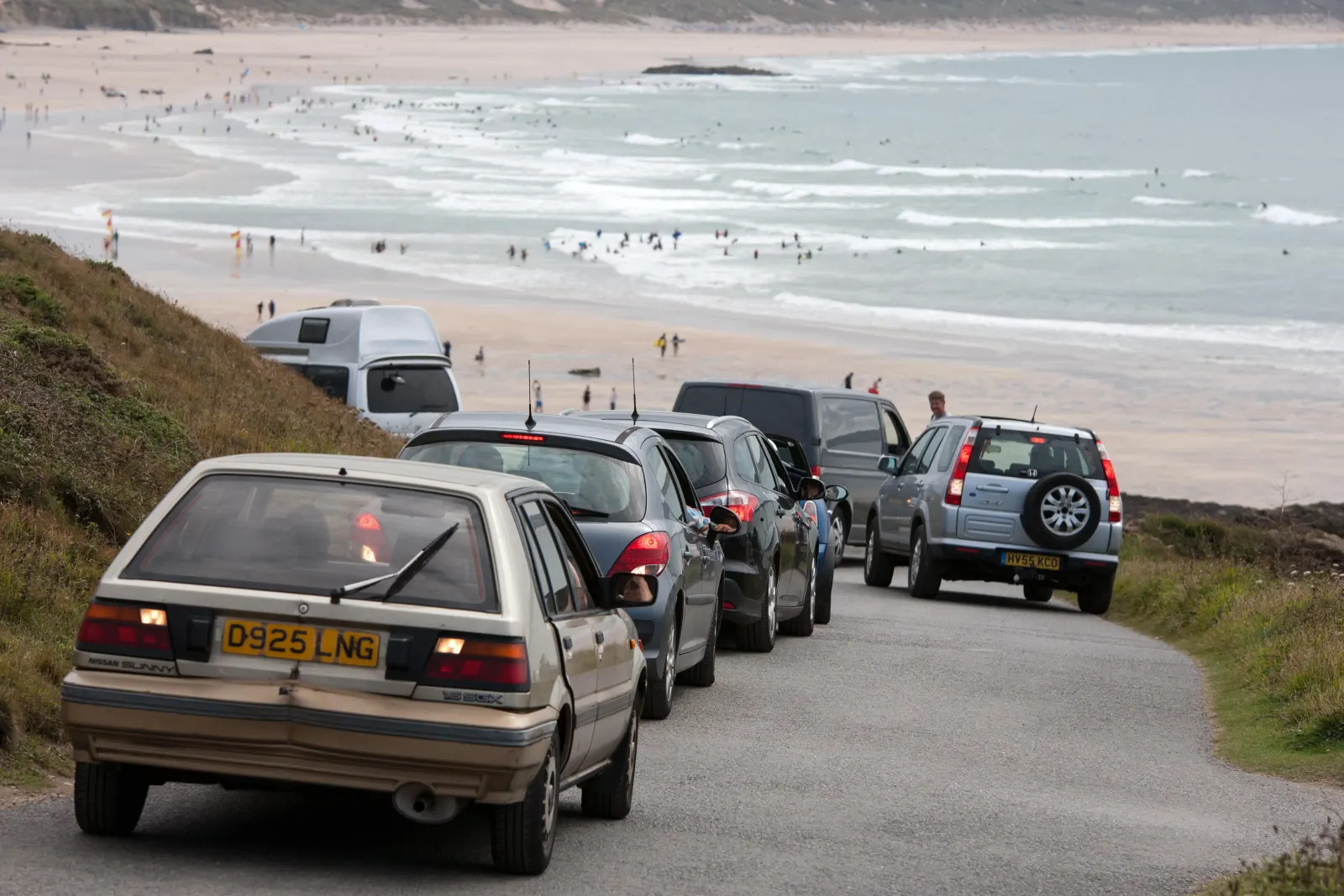




Comments
No comments yet — be the first to share your thoughts.
Leave a comment
Your email won’t be published. Comments are checked before they appear.