


13 articles
It’s no secret that Cornwall is a magical place to visit, with plenty of days out to keep you busy. However, beyond the favourites like the award-winning Eden Project, King Arthur’s Tintagel Castle and the majestic causeway leading to St Michael’s Mount – what about it’s lesser known tourist attractions? Whether you’re a regular visitor looking to discover hidden gems, or first time visitor who prefers to avoid the crowds, these ‘top 10 unusual things to do in Cornwall’ offer a novel way to explore the Cornish coastline and its surrounds.
1. Learn About Global Communications
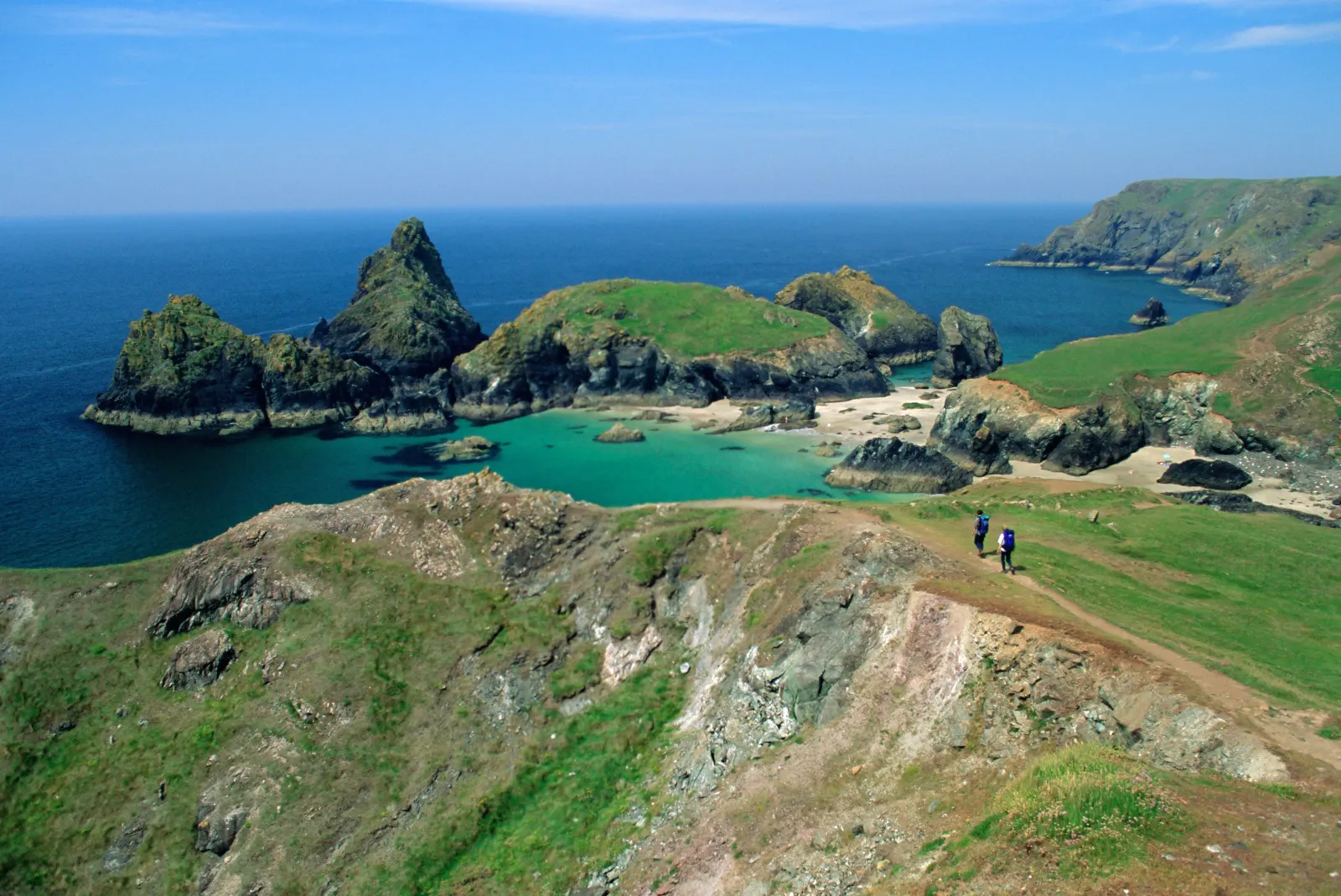
Unbeknownst to many, Cornwall has played a pivotal role in global communications. Its remote location and position on the edge of the Atlantic Ocean are not only perfect for soaking up sea views, but also to test technological innovation. With a visit to PK Porthcurno, learn all about how the first underwater telegraph cables were brought ashore on the Lizard Peninsula, paving the way for fibre optics, and how West Cornwall is playing an important role in present and future worldwide communications. Featuring historical stories, interactive exhibitions and a whole host of activities and events, PK Porthcurno promises to be unlike any museum you’ve visited before or since. It’s also a stone’s throw from the Lizard Peninsula clifftops, so you can tie your visit in with an exploration of one of the most beautiful sections of the South West Coast Path.
2. Attend an Underground Concert
One of Cornwall’s best kept secrets, Carnglaze Caverns was once an open cast quarry and tin mine
.1 However, in the 18th century miners began digging by hand underground, leading to the formation of three large caverns. Today, the caverns are connected by a series of steps, and one has been flooded to create a spectacular underground lake with crystal clear water. Visitors can head underground to tour the caverns, enjoy a woodland walk in the acres of peaceful woodland surrounding it – or even attend a music performance to experience the impressive underground acoustics.2
3. See Globally Rare Seal Pups
The grey seals we are lucky to see around the Cornish coastline are a globally rare species. However, up to 50% of their population is found in the UK and Irish waters,3 with many of them breeding in Cornwall, making it one of the best places to see them.4 A dog-friendly and family-friendly tourist attraction, the Seal Sanctuary rehabilitates abandoned or injured seals before reintroducing them to the wild. You can also see rescued puffins – and a range of farm animals – plus, beavers as part of the woodland walk. It’s a year round tourist attraction, but its best to visit during pupping season from September to March.5
4. Visit a Witchcraft Museum
Found on the north Cornwall coastline, Boscastle Museum of Witchcraft and Magic is one of Cornwall’s most unusual tourist attractions – perhaps made more obscure because it is located in a tiny Cornish fishing village. Featuring the largest collection of artefacts relating to the occult, it includes information on magical practices and beliefs from around the globe, plus exhibits on British witch trials.6 Historically, the skeleton of 19th century witch Joan Wytte was on display in the museum, however today her grave can be visited in the woods outside Minster Church in the nearby Valency Valley.7
Please note, there is only pedestrian access to the Museum of Witchcraft, but you can leave your vehicle in the car park next the Cobweb pub a six-minute walk away.8
5. Learn About Victorian Crime and Punishment
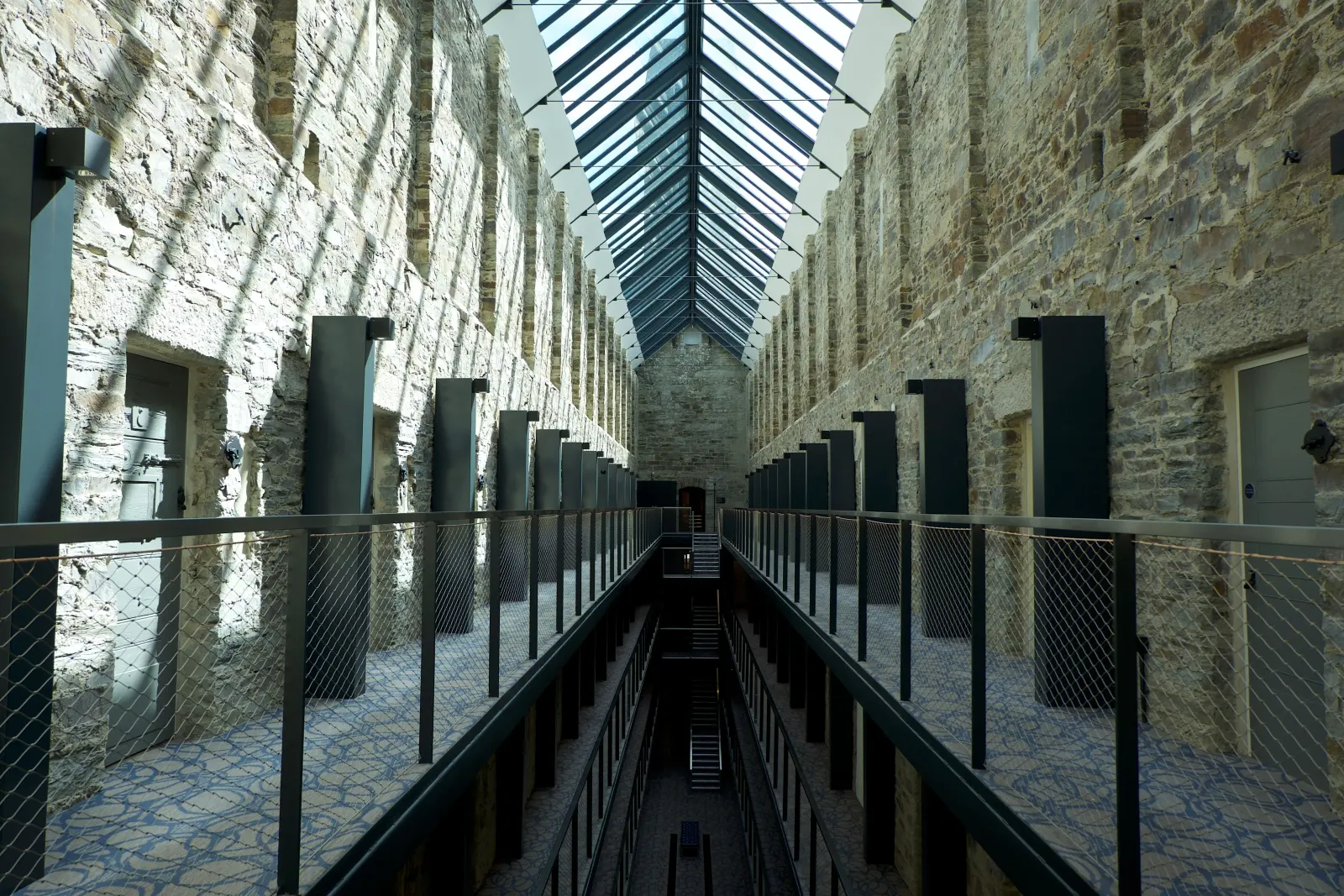
Built during the 18th century, Bodmin Jail is a fascinating year round tourist attraction with an unusual history. Over the years it housed thousands of prisoners and was the site of 55 executions, including that of William Hampton, the last person to be hanged in Cornwall in 1909. Today, visitors can discover Cornwall’s dark past, joining guided and self-guided tours which teach you about Victorian crime and punishment throughout the 19th century. After dark there are ghost tours and thrilling paranormal experiences.9 Bodmin Jail was also where the Crown Jewels were stored during WWI, meaning layer upon layer of history can be discovered there.
6. Swim in a Magical Mermaid Pool
A unique feature to the Cornish coastline, Cornwall’s mermaid pools can be discovered dotted around the north coast and around Land’s End.10 Head out on the South West Coast Path and see if you can find a smaller, hidden gem pool. Or, there are popular tidal pools at Summerleaze Beach in Bude, Trevone Bay, Porthtowan and Portreath. For a more controlled experience, you can visit the Jubilee Pool, which is a man-made and lifeguarded art deco tidal pool in Penzance.11 Mermaid pools are a bit like large rockpools, which can be enjoyed at low tide, and are an alternative way to enjoy swimming if you wish to take a break from Cornwall’s beaches.
7. Discover the Lost Gardens of Heligan
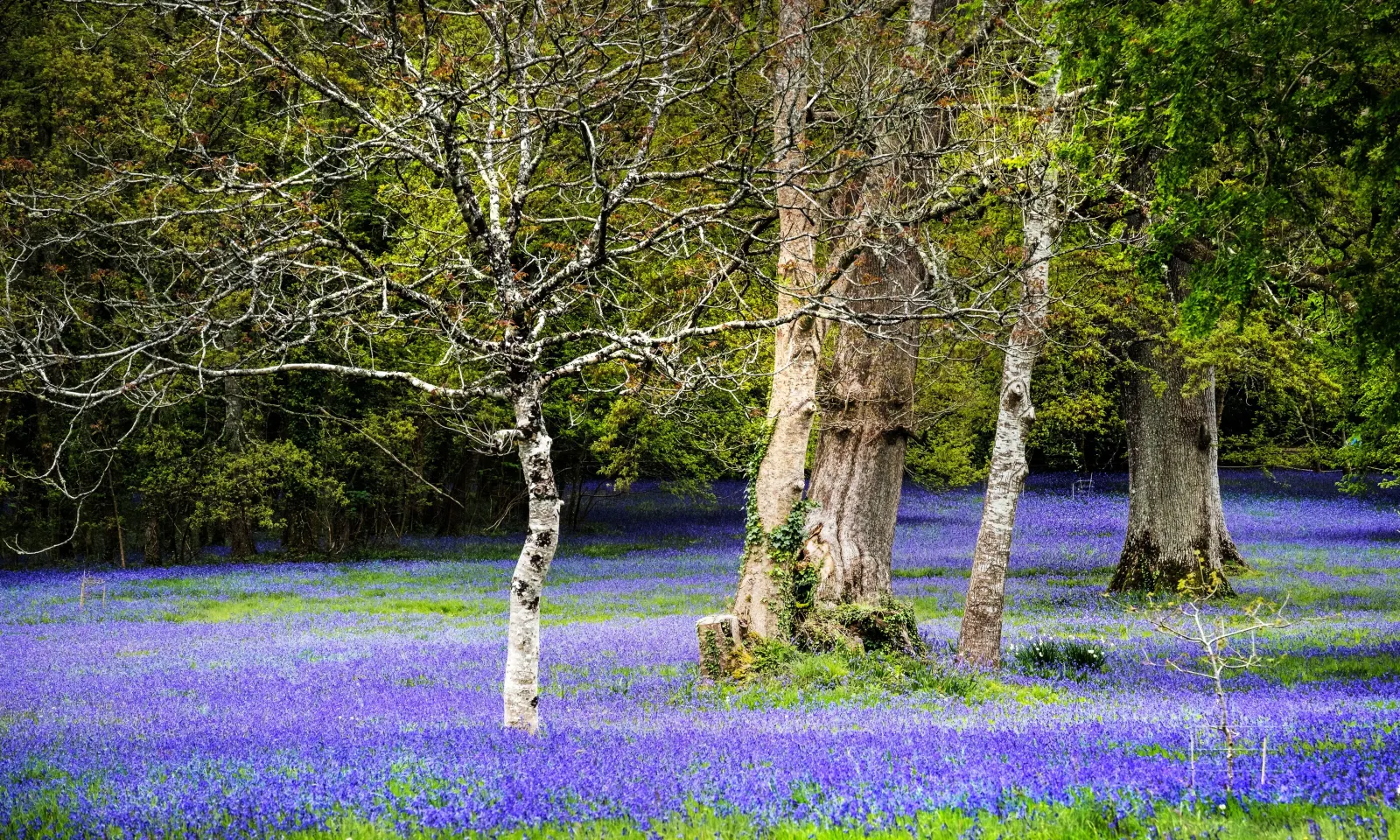
Europe’s largest garden restoration project, Lost Gardens of Heligan is a Victorian garden which saw its heyday in the 19th century. It was abandoned at the beginning of WWI, when its workers were called to fight in the war. After being rediscovered at the end of the 20th century, it has been revived into a 200 acre paradise for wildlife and plant lovers.12 Found near St Austell, just a few miles from the Cornish coast, today visitors can enjoy miles of pathways through the Victorian Productive Gardens, where over 300 varieties of heritage fruit, vegetables, salad and herbs are grown. Much of this is cooked up to cook seasonal meals in the on-site café. You can also explore the romantic Pleasure Grounds, subtropical Jungle and plenty of wildlife throughout the gardens and woodland walks. The Lost Gardens of Heligan is a dog-friendly year round tourist attraction with a range of different things to see and do throughout the seasons.13
See: 19 Secret Gardens in Cornwall You’ve Never Heard Of
8. Visit the Ancient Hurlers Stone Circle
Nestled in the heart of Bodmin Moor – filming location of the TV series Poldark – the Hurlers stone circle is a fascinating arrangement of neolithic or Bronze Age stones. They are one of the most impressive examples of ancient ceremonial standing stones in the South West. However, according to Cornish folklore they are in fact a group of men frozen in stone as punishment for playing hurling on a Sunday.14 Either way, they are an incredible feature of the Bodmin Moor landscape, which is also embellished by abandoned tin mine engine houses and home to free-roaming livestock.14 Once upon a time, the moors were also used by smugglers to stash illegal contraband stolen from shipwrecks.15 To visit, park at the car park in Minions and walk a quarter of a mile along the path. In the background you’ll also be able to spot the Cheesewring, a giant stack of stones carved into an unusual shape by the wild Cornish winds over millions of years.
9. Watch a Play Overlooking the Ocean
Not a secret by any means, but an unusual and one-of-a-kind experience, the Minack Theatre near Porthcurno offers the chance to watch a theatrical performance or musical event overlooking the Atlantic Ocean. An open-air theatre carved into the cliffside, you can expect endless sea views from one of West Cornwall’s most spectacular headlands.15 Plays can be watched at the Minack Theatre during the summer season between April and October and include everything from family-friendly comedy performances, to musical renditions and orchestras.16 For the ultimate day out, don’t forget to visit neighbouring Porthcurno beach – one of the best beaches in Cornwall.
10. Visit Europe’s Largest Tea Garden
The first tea plantation in the UK, Tregothnan Estate can be found near Truro. Nestled on the Roseland Peninsula, research suggests it has the most suitable microclimate for growing tea in all of Europe, partly in thanks to a deep creek that bathes the gardens in sea mist.17 Visitors can enjoy tea tasting tours, walk through the grounds, or take a deeper delve into the tea making process with a Tea School or Growers masterclass. There are introduction to beekeeping courses, with the estate producing its own Manuka honey. Tregothnan is also one of Cornwall’s Great Gardens, home to many endangered tree species and the world’s largest camelia maze – making it a blissful place for anyone interested in horticulture or spending time in nature.18
See: Free Things to Do in Cornwall
Article Sources
- Carnglaze (no date). Visit Carnglaze Caverns [online]. Available at: https://www.carnglaze.com/the-caverns/
Carnglaze Caverns[↩] - Carnglaze (no date). Visit the Slate Caverns [online]. Available at: https://www.carnglaze.com/
Carnglaze[↩] - Peoples Trust for Endangered Species (no date). Grey seal [online]. Available at: https://ptes.org/get-informed/facts-figures/grey-seal/ Peoples Trust for Endangered Species[↩]
- Cornwall Mammal Group (no date). Grey Seal [online]. Available at: https://www.cornwallmammalgroup.org/grey-seal Cornwall Mammal Group[↩]
- Cornwall Seal Sanctuary (no date). Welcome to the Cornish Seal Sanctuary [online]. Available at: https://sealsanctuary.sealifetrust.org/en Cornwall Seal Sanctuary[↩]
- Britain Express (no date). Boscastle Museum of Witchcraft and Magic [online]. Available at: https://www.britainexpress.com/counties/cornwall/museums/boscastle-witchcraft-museum.htm Britain Express[↩]
- Visit Cornwall (no date). Boscastle [online]. Available at: https://www.visitcornwall.com/destinations/boscastle Visit Cornwall[↩]
- Boscastle Museum of Witchcraft and Magic (no date). Visit [online]. Available at: https://museumofwitchcraftandmagic.co.uk/visit/ Boscastle Museum of Witchcraft and Magic[↩]
- Bodmin Jail (no date). Home page [online]. Available at: https://www.bodminjail.org/ Bodmin Jail[↩]
- Allen, B., Campbell, C. and Paleschi, L. (2021) A Guide to Wild Swimming in Cornwall. UK: Kelp Studios[↩]
- Jubilee Pool (no date). The UK’s most celebrated saltwater lido [online]. Available at: https://jubileepool.co.uk/ Jubilee Pool[↩]
- Heligan (no date). Introduction [online]. Available at: https://www.heligan.com/explore-heligan/our-story/introduction/ Heligan[↩]
- Heligan (no date). When to visit [online]. Available at: https://www.heligan.com/plan-your-visit/when-to-visit/ Heligan[↩]
- English Heritage (no date). Hurlers Stone Circle [online]. Available at: https://www.english-heritage.org.uk/visit/places/hurlers-stone-circles/ English Heritage[↩]
- Jamaica Inn (no date) Smuggling Museum [online]. Available at: https://www.jamaicainn.co.uk/cornwall-museum#:~:text=Smuggling%20became%20accepted%20and%20many,amenable%20to%20the%20odd%20bribe! Jamaica Inn[↩]
- Visit Cornwall (no date). Minack Theatre [online]. Available at: https://www.visitcornwall.com/things-to-do/arts-and-culture/minack-theatre Visit Cornwall[↩]
- Minack (2025). Season 2025 [online]. Available at: https://minack.com/season-2025 Minack[↩]
- Tregothnan (no date). Our tea story [online]. Available at: https://tregothnan.co.uk/pages/our-tea-story Tregothnan[↩]
- Tregothnan (no date). The botanical garden in Cornwall [online]. Available at: https://tregothnan.co.uk/pages/the-botanical-garden-in-cornwall Tregothnan
Frequently Asked Questions
Must sees in Cornwall include taking the time to enjoy the Cornish coast and the natural open spaces – whether it’s visiting the best beaches in Cornwall, going on a woodland walk or exploring Bodmin Moor. To enjoy Cornish culture, be sure to visit a fishing village, an old tin mine, and to try famous foods including a cream tea and a pasty. Must visit locations include Newquay, Redruth, Padstow, St Ives, Falmouth, Looe, Fowey and Penzance.
There are plenty of unusual things to do in Cornwall. For unusual outdoor experiences, swim in a tidal pool or visit the stone circles on Bodmin Moor. When it comes to museums, the Boscastle Museum of Witchcraft and PK Porthcurno offer one-of-a-kind experiences. You should also try the Minack Theatre for an open-air theatre performance and head underground into Carnglaze caverns for a subterranean concert in an old quarry and tin mine.
Many visitors miss hidden gems such as Chapel Porth’s old mine workings, the secluded cove at Nanjizal Beach with its famous rock arch, the tiny fishing village of Portloe, the atmospheric ruins of Carnon Valley’s old tramways, and the ancient Men-an-Tol stone circle near Madron.
Cornwall’s mining heritage can be explored at Geevor Tin Mine, Levant Mine and Beam Engine, and Botallack, all part of the Cornish Mining World Heritage Site. These locations allow visitors to go underground, see working steam engines, and walk dramatic coastal ruins that feel frozen in time.
Families can explore caves at Lantic Bay during low tide, pan for gemstones at Wheal Martyn Clay Works, ride the Bodmin and Wenford Steam Railway, discover sea life in rock pools at Porthcurno, or explore the interactive underground tunnels at Geevor Tin Mine.
Yes. Even if you’ve visited Cornwall before, there are always new unusual experiences to discover — from lesser-known beaches like Nanjizal and Porth Nanven, to remote villages such as Mousehole and Port Isaac outside peak times, and seasonal events rooted in Cornish tradition.
To explore Cornwall’s unusual and lesser-known attractions properly, allow at least 4–5 days. This gives enough time to cover west Cornwall’s mining sites, the north coast’s hidden coves, and inland areas like Bodmin Moor without rushing.
Yes, unusual walks in Cornwall include the cliff-top path between Zennor and St Ives, famous for its folklore and sea views, the Tamar Valley Discovery Trail, which follows old mining routes, and the walk out to Rame Head, where a tiny medieval chapel sits dramatically above the sea.
Unusual historical sites in Cornwall include the Carn Euny Ancient Village, an Iron Age settlement with underground fogous, the Halliggye Fogou near Helston (one of Cornwall’s largest underground passages), and the Tintagel Island bridge, linking mainland Cornwall to the legendary birthplace of King Arthur.
Yes, Cornwall offers unusual food experiences such as foraging tours along the coast, eating fresh seafood straight from the harbour in Newlyn, tasting traditional saffron cake in local bakeries, and visiting Healey’s Cornish Cyder Farm near Truro to learn about traditional cider-making.
Yes, Cornwall offers unusual wildlife experiences such as seal-spotting at Godrevy Head and Mutton Cove near St Ives, dolphin and basking shark sightings from the cliffs around Porthgwarra, and guided boat trips from Falmouth to spot seals, seabirds, and occasionally whales.
Cornwall is rich in folklore, and unusual cultural experiences include visiting Zennor Church, linked to the legend of the Mermaid of Zennor, exploring Tintagel Castle and its Arthurian myths, and attending traditional Cornish events such as Golowan Festival in Penzance, which celebrates Cornwall’s ancient midsummer traditions.
Written by
Lydia Paleschi is a Falmouth local and freelance writer whose family have been based in Cornwall for many generations. However, it wasn’t until she spent several years living in Cardiff and London that Lydia realised that living next to the ocean is where she belongs. After moving back to Falmouth and launching her freelance career in order to make the most of a Cornish lifestyle determined by weather and tides, Lydia now spends most of her free time wild swimming and sailing in Cornish waters. And despite being lucky to travel far and wide – sailing as far away as Central America – it is the Cornish coastline that Lydia finds provides the greatest nourishment to her soul. More recently, Lydia has been exploring Cornwall in her van, which has only made her fall in love with her home county more. Lydia’s book A Guide to Wild Swimming in Cornwall aims to help others share in her love of the Cornish coastline and the wellbeing benefits that can be enjoyed by spending time there.
13 articles published on Cornwall.co.uk
Read more from Lydia Paleschi →

Comments
No comments yet — be the first to share your thoughts.
Leave a comment
Your email won’t be published. Comments are checked before they appear.