
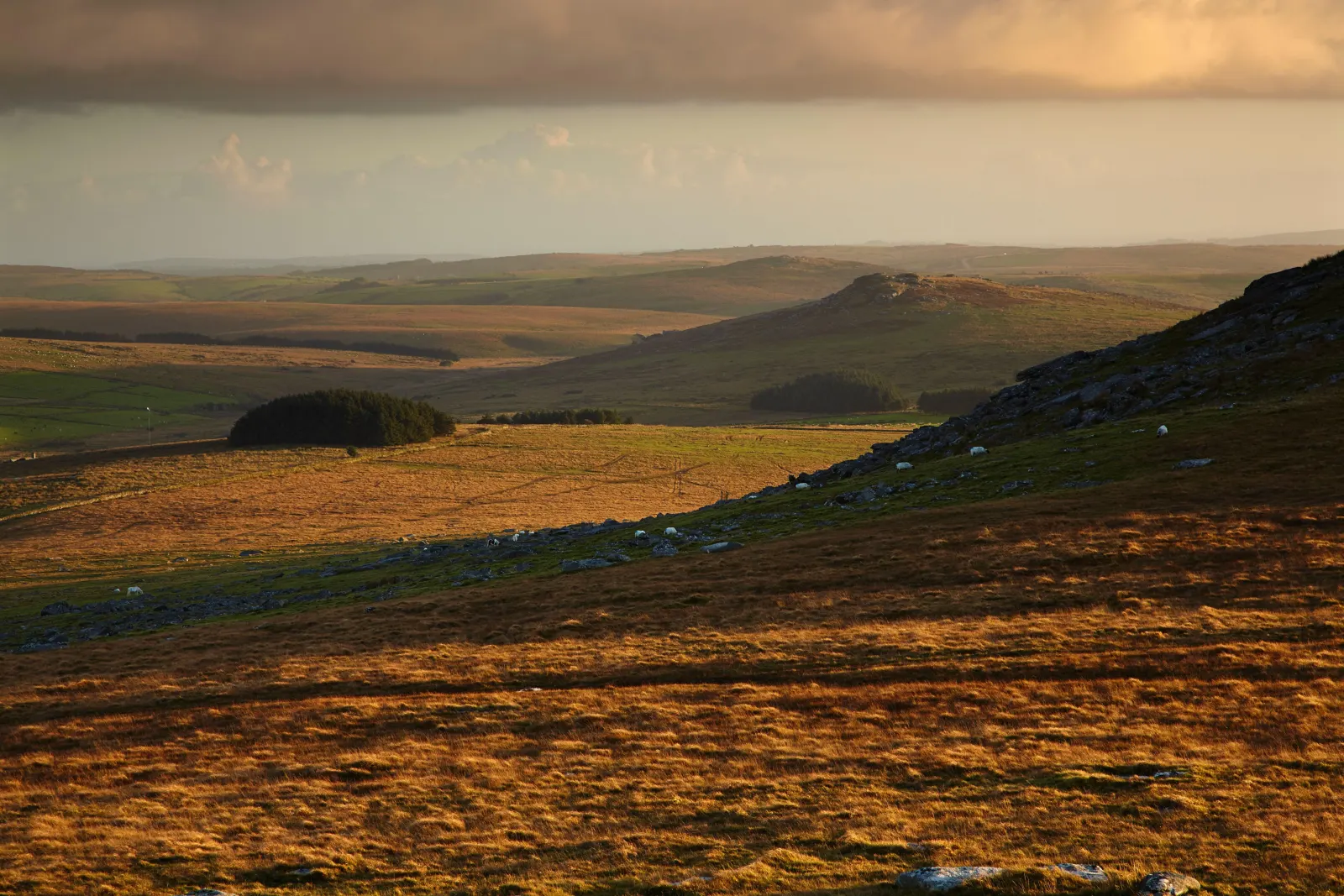
Cornwall lingers with you — maybe it’s the sharp sea air, the cry of gulls, or the light catching at the edges. Guidebooks make it neat, but the truth is scruffier, louder, and more beautiful. Over 4.5 million people visit each year for its beaches, fishing villages, and familiar landmarks. Most leave with Cornwall still clinging to them, though some stumble into the same easy mistakes. With our Cornwall travel tips guide, you can avoid common visitor pitfalls and have a trip that truly stays with you.
Cornwall Insights
From secret coves to clifftop cream teas, we uncover the Cornwall most tourists never see.
Cornwall Travel Tips – Avoid These 5 Common Tourist Mistakes
Cornwall lingers with you — maybe it’s the sharp sea air, the cry of gulls, or the light catching at the edges. Guidebooks make it neat, but the truth is scruffier, louder, and more beautiful. Over 4.5 million people visit each year for its beaches, fishing villages, and familiar landmarks. Most leave with Cornwall still clinging to them, though some stumble into the same easy mistakes. With our Cornwall travel tips guide, you can avoid common visitor pitfalls and have a trip that truly stays with you.
Moving to Cornwall? Here’s What You Need to Know
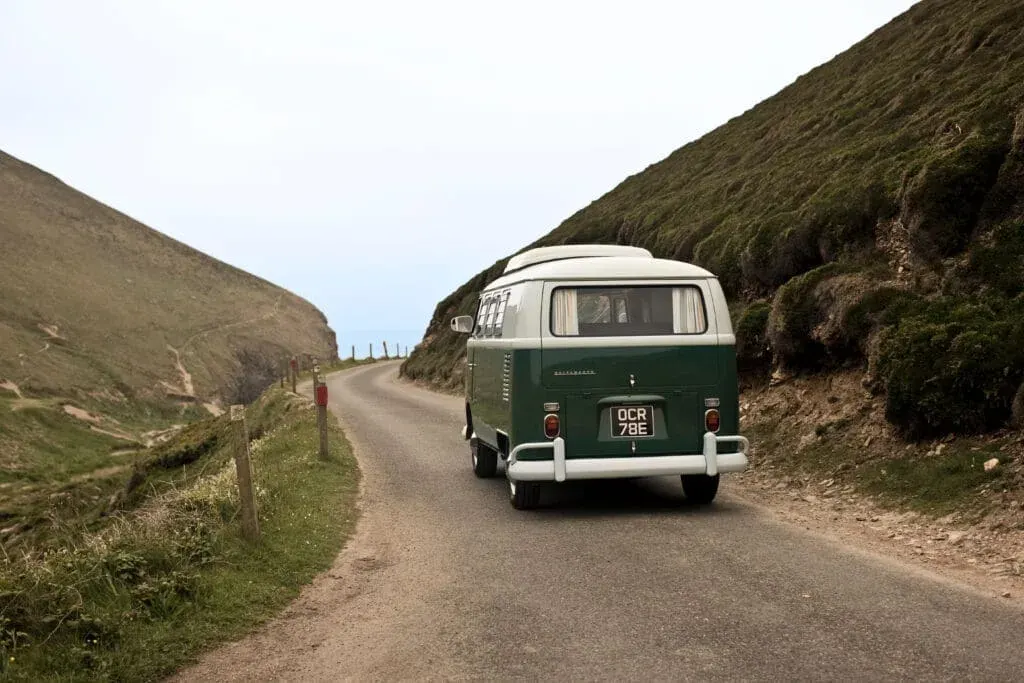
Cornwall gets to people in ways you only notice after you’ve left and it softens the edges that cities sharpen, which is why so many short breaks turn into one-way tickets. Trading train platforms for sea views sounds easy enough, but living here isn’t the same as drifting through a holiday because although the cream teas and beach walks are real, so are the everyday details.
If moving to Cornwall in 2025 is something you’re considering full-time, it’s worth getting a feel for the practical side, like jobs, housing, schools, and daily life including the cost of living, before you make it home.
Avoid these Cornwall Tourist Traps – Go Here Instead
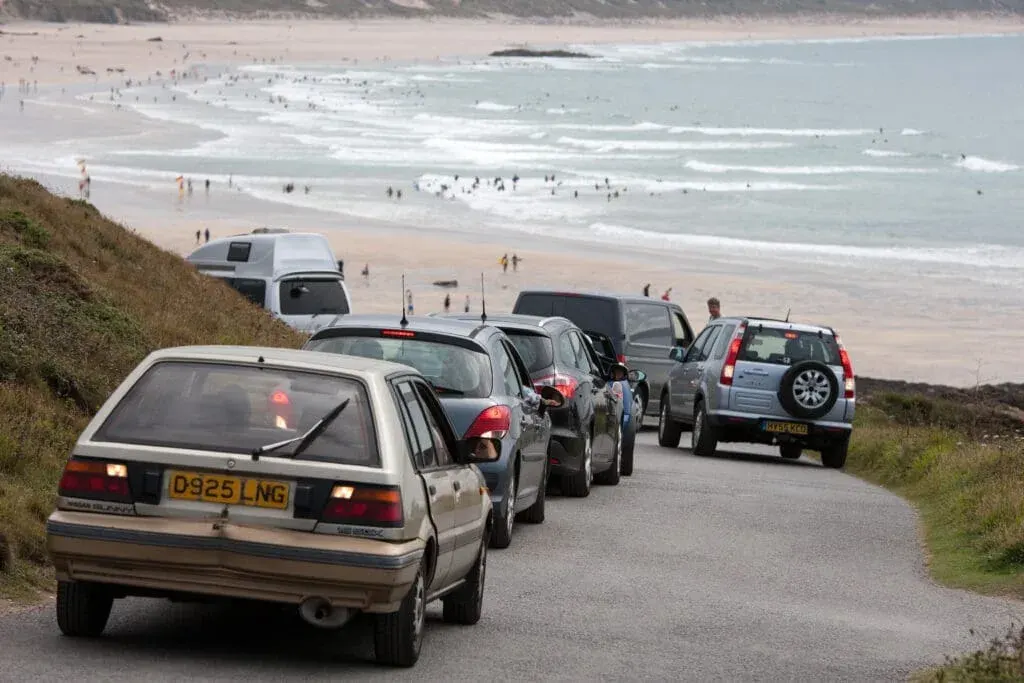
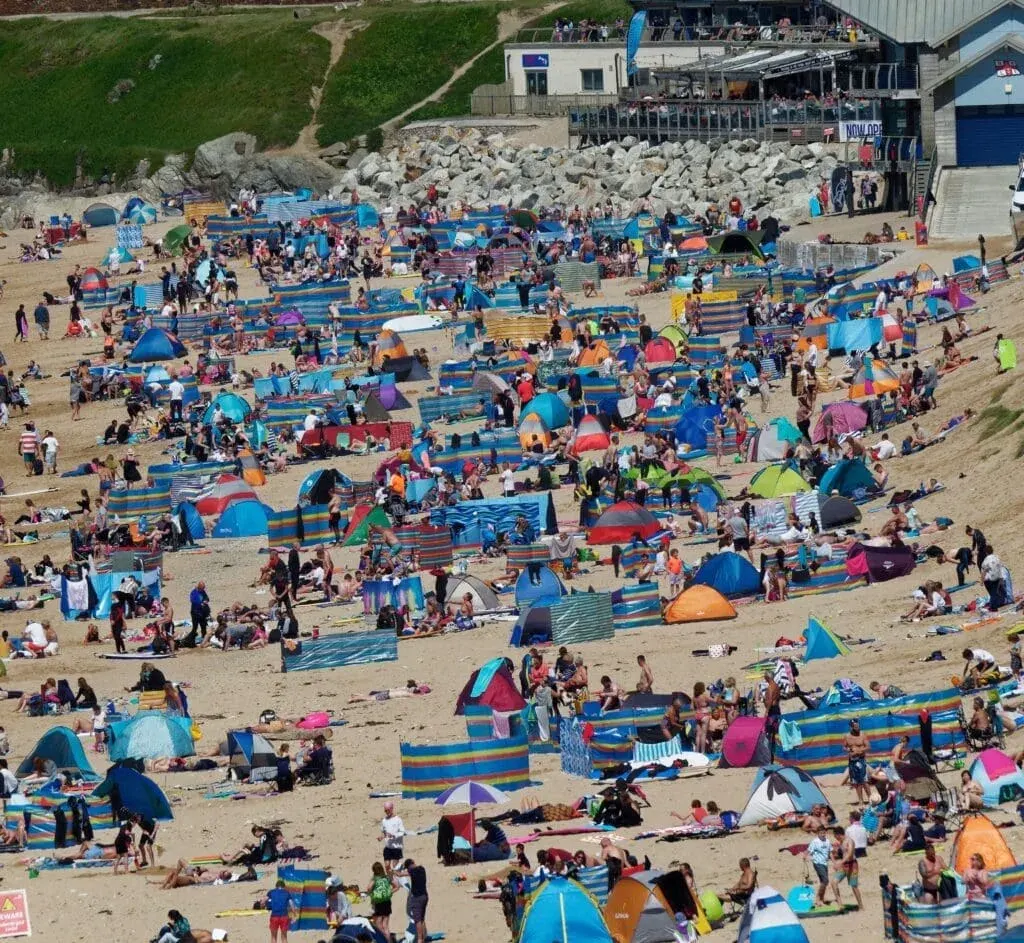
There is no denying that Cornwall is one of the best places to visit – especially during those long summer days. However, with increasing numbers of holidaymakers and an economy heavily reliant on the tourism industry some places have become tourist traps. Heavy traffic and overcrowding aren’t what you envision when you plan a relaxing nature-filled break, but in some places it’s become the reality. Here’s where to avoid and where to go instead – particularly during the summer holidays.

Why Cornwall is a Top Remote Work Destination in the UK
When we think of the perks of remote working, the first thing that springs to mind if work-life balance. Next, comes the ability to travel and move freely, working from beautiful locations. Whilst we may sometimes be limited to remaining in the country, the UK is still full of stunning places for remote working. But in my eyes, few of them beat Cornwall.
I’m a Cornish native and I’ve been working here as a freelancer for the past five years – so I know we have a great remote working community. This article is for digital nomads, startups, freelancers and remote workers wondering whether they can work from one of the United Kingdom’s best-loved holiday destinations.
What it’s Really Like to Live in Cornwall All Year-Round
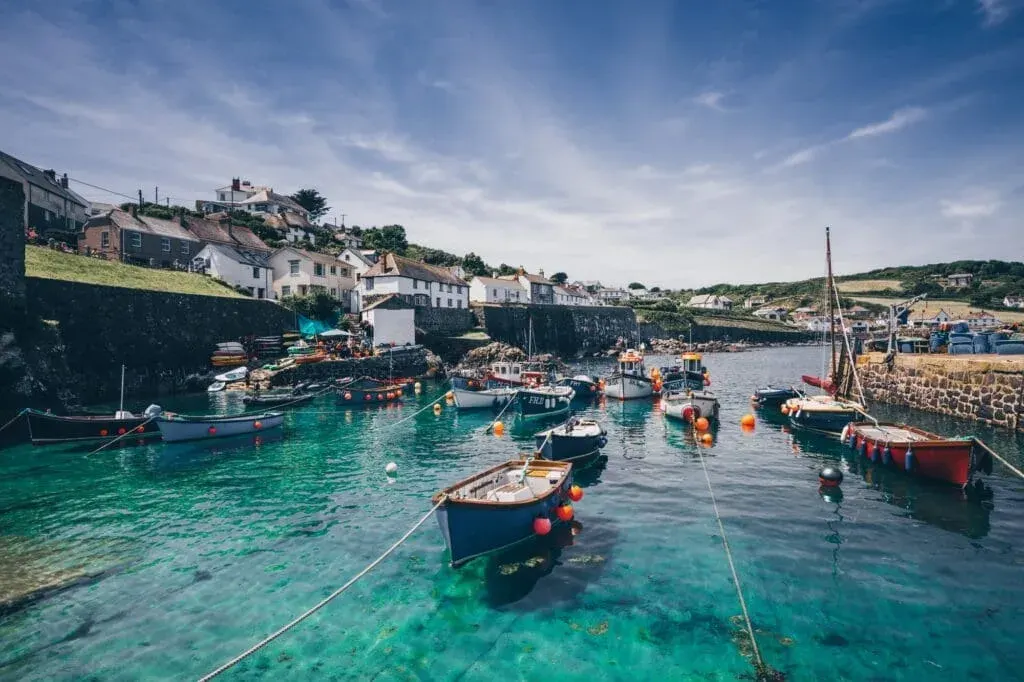
For the right person, living in Cornwall brings opportunity to enjoy a top-quality lifestyle. Start your day with a morning swim, or head for a surf after work. Hit the South West Coast Path on the weekend and stop off in a fantastic pub serving locally caught seafood afterwards. If you’re priority is career progression and climbing the corporate ladder, then the chances are Cornwall isn’t right for you (though it’s not impossible!) But if you’re a creative, remote worker or want to prioritise a relaxed lifestyle with easy access to the ocean and spending time outdoors it can be the best place to live.

Top 10 Essential Cornish Phrases
Cornwall isn’t only cliffs, coves and a pasty in your hand – it’s also a place with its own language (Cornish, or Kernewek) once written off as dead but now spoken again in schools, sung in choirs, and printed on road signs. You don’t need to be fluent to join in; a simple “Dydh da” for hello or “Meur ras” for thank you can spark a smile and make you feel more part of the place, and with that in mind, here are some useful, basic Cornish dialect phrases that are sure to help when you visit this stunning part of the world.
Beyond the Pasty: The Living Cornish Traditions
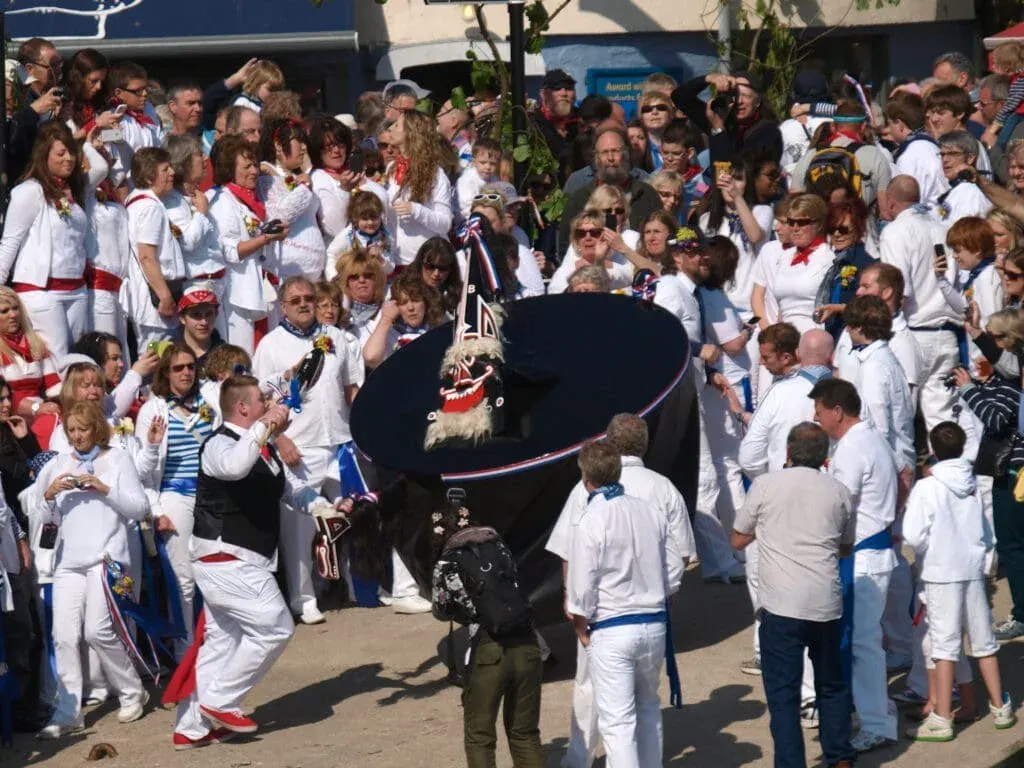
We all know the Cornish pasty – warm, pocket-sized comfort, unmatched in savour and flavour etc – but if you stop there, you’re missing a renaissance because beyond that flaky icon lies a region pulsing with living tradition, from festivals that shake the streets to a language making a spirited comeback, crafts carved from the land, maritime muscle, and modern culture. If you’re ready, let’s unroll Cornwall beyond the crust.

How to Say ‘Cheers’ in Cornish (and Other Ways to Impress Locals)
If you walk into a Cornish pub and raise a glass, there’s one phrase that will make you stand out straight away – “Yeghes da!” It’s the Cornish way of saying “cheers,” it literally means “good health,” and simple enough, so say it with a smile and you’ll almost always get a smile back.
Cornwall is proud of its past and its language, and using even a single word is noticed. Don’t worry, nobody’s expecting you to be fluent in Cornish – it’s a tough one to get your head around anyway. What people notice is the effort. Drop a “Yeghes da!” at the right moment and suddenly you’re not just a visitor, you’re part of the chat. It can turn strangers into drinking mates and give you a proper feel for Cornish humour and warmth.

What is Cornwall Most Famous For?
Cream teas, clifftop views, half-told legends, and beaches you’ll think about all winter – Cornwall is packed with the sort of things people fall for fast. You’ve got surfing in Newquay, stories in Tintagel, art in St Ives, and pasties everywhere… there’s wild weather, warm pubs, proper moorland hikes, and a coastline that refuses to be boring. And there’s all the history, mystery, and just enough eccentricity to keep it interesting. Ask what Cornwall’s famous for, and you won’t get a short answer. But this is a very good place to start.
Cornish Cream Tea Debate Settled: Jam First or Cream First?
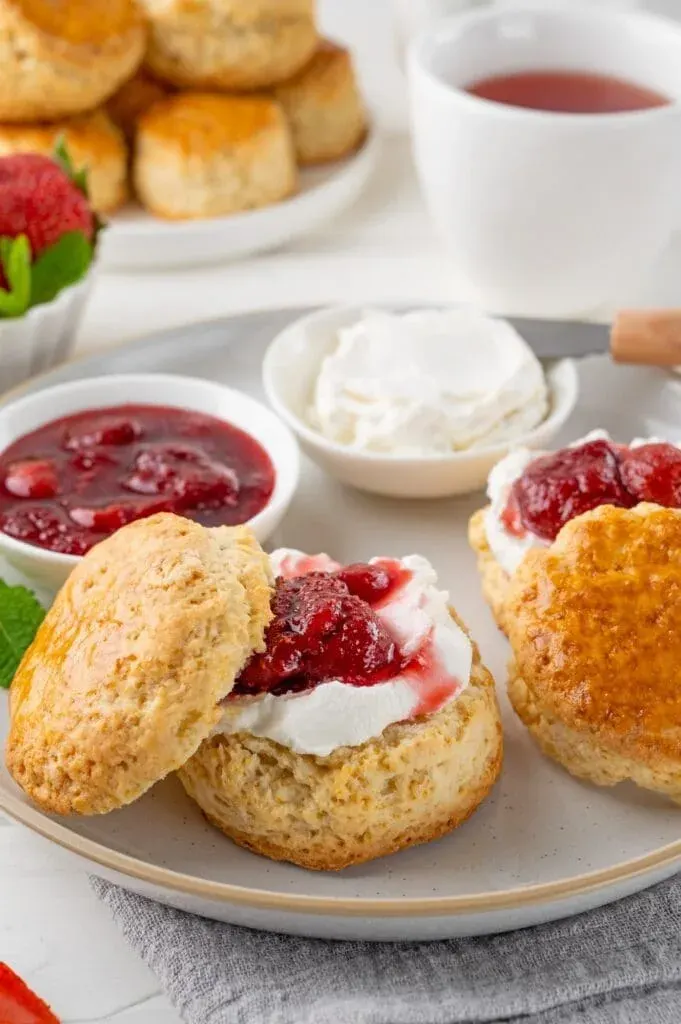
There are very few culinary topics that can spark such fierce loyalty and cross-border controversy as the question of how to properly assemble a cream tea. In the red corner: Cornwall. In the white corner: Devon. And in between is a humble scone, split down the middle and at the centre of a national debate. Do you dollop the jam first, like any self-respecting Cornish person? Or do you pile on the cream first, in true Devonshire fashion?
In this article, we’re digging into the history, food science, etiquette, and modern opinions behind the great cream tea divide, and whether the jam-first method truly settles the debate in Cornwall’s favour.

Who Were the Cornish? Exploring the Celtic Roots of Cornwall
Cornwall might look like the end of the line on a map, but if you’ve ever been, you’ll know it doesn’t feel that way. It has a personality all of its own: fierce, funny, independent, and ancient. And it’s not just about dramatic coastlines and cream teas – the people who live here have a story that goes back thousands of years, well before tourists came for the beaches.
So, who exactly were the Cornish? Where did this strong sense of Celtic identity come from? And how did a group of people on a rocky peninsula manage to hold on to their language, culture, and Celtic roots while most of Britain was moving in a very different direction?